
 PA School Scholarships Matter More Than Ever

The best PA school scholarships, grants, and loan repayment programs can make an expensive education more manageable. PA school is expensive. It is also demanding, which means you will have limited (if any) time to work while attending.
With the average undergraduate education debt prior to PA school hovering around $36,300 and the average PA school debt load now reaching $112,500 (with some graduates carrying over $200,000 depending on program and location), it has never been more important to have a rock-solid plan for how you will fund your PA education. PA school tuition alone averages $98,075 for a 27-month resident program and $107,288 for non-resident programs — and those numbers don't include fees, housing, equipment, or lost wages.
The good news? There is real money out there in the form of scholarships, grants, loan repayment programs, and federal assistance — you just have to go after it. Remember: apply for scholarships and grants first, before you accept any loans. Then, only accept the loans you actually need.
Funding sources vary, and federal loan programs will likely form the foundation of your financial aid package. Many states also offer their own programs. Work closely with your financial aid office — they will know about special loans and scholarships for which you may be eligible. And if you want to see what one of these programs actually looks like from the inside, here is how I went to PA school for free through the National Health Service Corps.
💡 New for 2026: Major changes to federal student loan programs took effect July 1, 2026, including a new Repayment Assistance Plan (RAP) replacing most income-driven repayment options. See the repayment section below for details.
Search PA School Scholarships, Grants, and Loan Repayment Programs
Below are the PA school scholarships, grants, and loan repayment programs we could find and verify for PAs and PA students: federal, military, all 50 states, and the PA organizations. Search it by your state, by where you are in the journey, or by how much money is on the table. Tap any row for the service commitment, the eligibility fine print, and a link to the program’s own page.
Three things to know about how to read it. Award figures are ceilings, not promises — “up to $75,000” almost always means full-time, at the highest-need site, if you’re funded at all. “Cycle closed” doesn’t mean dead — most of these run once a year, so note the month and set a reminder. And “unverified” means we couldn’t confirm it from a primary source — we’d rather tell you that than pretend.
Live snapshot (Oct 10, 2026): we are tracking 259 funding programs for PAs and PA students across all 50 states and the District of Columbia — 170 confirmed open to PAs, 36 where PA eligibility needs confirming, and 53 that look like PA programs but are not. The largest single PA-eligible award currently tracked is $300,000. Every program was verified against its own website on 2026-07-26.
Nationwide scholarships, grants and loan repayment programs for PAs
| Program | Who runs it | Award | Deadline | Status |
|---|---|---|---|---|
| AmeriCorps Segal Education Award | AmeriCorps (Corporation for National and Community Service) | Up to $6,195 | No single deadline - tied to individual AmeriCorps program enrollment cycles (many start in fall); award is issued/available for use for up to 7 years after earning it | Accepting applications |
| NHSC Scholarship Program | HRSA / National Health Service Corps | Varies | 2026-04-16 | Accepting applications |
| USPHS Junior COSTEP (JRCOSTEP) | US Public Health Service Commissioned Corps | Varies | Rolling based on agency vacancy announcements; watch usphs.gov and dcp.psc.gov | Unconfirmed |
| USPHS Senior COSTEP (SRCOSTEP) | US Public Health Service Commissioned Corps | Varies | Rolling based on agency vacancy/recruitment announcements; watch usphs.gov and dcp.psc.gov | Accepting applications |
| VA Education Debt Reduction Program (EDRP) | US Dept. of Veterans Affairs / VHA | Up to $200,000 | No fixed annual deadline - it's tied to individual job postings; apply within 4 months of your VA hire date if your position is marked "EDRP Authorized" on the USAJOBS listing | Accepting applications |
| Federal Direct Unsubsidized Loan limits for PA students (post-Grad PLUS) | US Dept. of Education | Up to $200,000 | In effect now. Classification is under active litigation - re-check before each academic year. | Accepting applications |
| NHSC Students to Service Loan Repayment Program | HRSA / National Health Service Corps | $120,000–$160,000 | 2025-11-06 | Accepting applications |
| NHSC Rural Community LRP | HRSA / National Health Service Corps | $50,000–$100,000 | FY2026 cycle is CLOSED ("We've closed the 2026 NHSC Rural Community LRP application cycle"); notifications by Sept 30 | Accepting applications |
| NHSC Loan Repayment Program | HRSA / National Health Service Corps | $25,000–$80,000 | FY2026 cycle is CLOSED ("We've closed the 2026 NHSC LRP application cycle"); cycles have opened Jan-Mar in recent years with award notice by Sept 30; watch nhsc.hrsa.gov for FY2027 opening | Accepting applications |
| NHSC Substance Use Disorder Workforce LRP | HRSA / National Health Service Corps | $37,500–$80,000 | FY2026 cycle is CLOSED ("We've closed the 2026 NHSC Substance Use Disorder Workforce LRP application"); notifications by Sept 30; watch for next opening | Accepting applications |
| IHS Loan Repayment Program | Indian Health Service | Up to $50,000 | Accepts applications October 1 through early August each year (rolling within that window); apply as early as possible since funding is limited and awarded as funds allow | Accepting applications |
| Faculty Loan Repayment Program (FLRP) | HRSA / Bureau of Health Workforce | Up to $40,000 | 2026-07-21 | Accepting applications |
| Repayment Assistance Plan (RAP) | US Dept. of Education | Varies | Went into effect July 1, 2026; SAVE plan borrowers must select a new plan (SAVE is being wound down) | Accepting applications |
| Public Service Loan Forgiveness (PSLF) | US Dept. of Education | Varies | No application deadline - ongoing program; must certify employment annually via the PSLF form | Accepting applications |
| Army National Guard Healthcare Professional Loan Repayment Program (HPLRP/SLRP) — PA | Army National Guard | $25,000–$75,000 | rolling | Accepting applications |
| "Army National Guard $60,000 PA Accession Bonus" (widely-cited figure) | Army National Guard (state-level example) | Up to $60,000 | N/A | Unconfirmed |
| Army Reserve Health Professions Loan Repayment Program (HPLRP) — PA | U.S. Army Reserve | $20,000–$60,000 | rolling | Unconfirmed |
| Army Active-Component Health Professions Loan Repayment Program (HPLRP) — PA | U.S. Army | Up to $40,000 | rolling, subject to annual quota | Unconfirmed |
| Navy PA Retention Bonus (RB) | U.S. Navy | $10,000–$35,000 | annual anniversary payment | Accepting applications |
| Army Active-Duty PA Special & Incentive Pay (HPOIP/HPOBCP/HPORB) | U.S. Army | $5,000–$31,000 | annual | Unconfirmed |
| Army National Guard Specialized Training Assistance Program (STRAP) — PA Students | Army National Guard | Up to $25,000 | while enrolled | Accepting applications |
| Army National Guard PA Medical Professional Special Pay | Army National Guard | $10,000–$20,000 | varies by state quota | Accepting applications |
| Navy PA Board Certification Pay (BCP) | U.S. Navy | Up to $8,000 | annual | Accepting applications |
| Navy PA Incentive Pay (IP) | U.S. Navy | Up to $5,000 | annual | Accepting applications |
| Navy Interservice Physician Assistant Program (IPAP) — Enlisted Pathway | U.S. Navy | Varies | annual application cycle | Accepting applications |
| USPHS Commissioned Corps — Physician Assistant | U.S. Public Health Service | Varies | rolling | Unconfirmed |
| Navy Health Services Collegiate Program (HSCP) — PA Students | U.S. Navy | Varies | unconfirmed | Unconfirmed |
| Coast Guard Interservice Physician Assistant Program (IPAP) | U.S. Coast Guard | Varies | Cycle dates vary annually; most recently confirmed cycle 2023-2024, seat count then was 8 total (3 officer, 5 enlisted) | Unconfirmed |
| Coast Guard Direct Commission Physician Assistant | U.S. Coast Guard | Varies | N/A | Unconfirmed |
| Army Interservice Physician Assistant Program (IPAP) | U.S. Army / MEDCOE | Varies | 2026-03-01 | Accepting applications |
| Air Force Interservice Physician Assistant Program (IPAP) | U.S. Air Force | Varies | application window Nov-Jul; board in early Oct | Accepting applications |
| Navy Health Professions Scholarship Program (HPSP) — PA Students | U.S. Navy | Varies | rolling application cycles | Accepting applications |
| APAO Student Scholarship | Association of PAs in Oncology (APAO) | Up to $2,500 | 2026 cycle has CLOSED ('Applications for 2026 have closed. Check back next year to apply!'); reopens annually | Accepting applications |
| DPAF Medical Mission Scholarship | DermPA Foundation (Society of Dermatology PAs / SDPA) | Up to $2,000 | Spring cycle annually; exact dates announced through SDPA member channels | Accepting applications |
| Eva Dimitrov, MD & PAHPM Student Scholarship | PA Foundation / American Academy of Hospice and Palliative Medicine PA SIG (PAHPM) | Up to $1,500 | 2026-08-31 | Accepting applications |
| APAC CAPP Call for Abstracts Scholarship | Association of Physician Associates in Cardiology (APAC) | Up to $1,000 | 2026-09-08 | Accepting applications |
| Prentiss L. Harrison Memorial / African Heritage PA Caucus (AHPAC) Scholarship | PA Foundation / African Heritage PA Caucus (AHPAC) | $500–$1,000 | Historically ~February 1 annually (Feb 1, 2025 for the last confirmed cycle); confirm exact 2026 date directly with AHPAC/PAF before publishing | Accepting applications |
| APAC PA Student Scholarship (CAPP Conference) | Association of Physician Associates in Cardiology (APAC) | Up to $1,000 | 2026-09-15 | Accepting applications |
| SPAP Student Scholarship | Society for PAs in Pediatrics (SPAP) | Up to $500 | 2026-05-31 | Accepting applications |
| Ron Pace Memorial Scholarship | PA Foundation | Varies | Not offered in the 2025 or 2026 PAF cycles | Cycle closed |
| Ruth Ballweg Memorial Scholarship | PA Foundation | Varies | 2026-03-16 | Accepting applications |
| Ron Nelson Memorial Scholarship | PA Foundation | Varies | 2026-03-16 | Accepting applications |
| Robert K. Pedersen Global Outreach Grants | PA Foundation | Varies | 2026-03-02 | Accepting applications |
| SEMPA Foundation Scholarship(s) -- unverified | Society of Emergency Medicine PAs (SEMPA) Foundation | Varies | Unconfirmed | |
| PAs for Latino Health (PALH) Scholarship | PA Foundation / Physician Associates for Latino Health (PALH) caucus | Varies | 2026-03-31 | Accepting applications |
| Susan Lindahl Memorial Scholarship (PAOS) -- unverified | PAs in Orthopaedic Surgery (PAOS) | Varies | Unconfirmed | |
| Timi Agar Barwick Scholarship for Humanism in Medicine | PA Foundation | Varies | 2026-03-16 | Accepting applications |
| Veterans Caucus Scholarships (branch awards) | AAPA Veterans Caucus Inc. | Varies | 2026-04-15 | Accepting applications |
| William H. Marquardt Community Health Access Award (Practicing PA) | PA Foundation | Varies | 2026-08-10 | Accepting applications |
| William H. Marquardt Community Health Access Scholarship (PA Student) | PA Foundation | Varies | 2026-03-16 | Accepting applications |
| William H. Marquardt Precepting/Mentorship Award | PA Foundation | Varies | 2026-08-10 | Accepting applications |
| Women in Philanthropy Scholarship | PA Foundation | Varies | 2026-03-16 | Accepting applications |
| PAs in Asian Health (PAAH) Scholarship Fund | Physician Associates in Asian Health caucus | Varies | Not published; application via a Google Form linked from the PA Foundation student-scholarships page | Unconfirmed |
| IHS Health Professions Scholarship Program (HPSP) | Indian Health Service (federal, U.S. HHS) | Varies | Annual; exact 2026-27 cycle dates not confirmed | Unconfirmed |
| PA Moms Advocacy and Leadership Scholarship | PA Foundation | Varies | 2026-03-16 | Accepting applications |
| Josanne Kissel Pagel PAs in Administration Award | PA Foundation | Varies | 2026-08-10 | Accepting applications |
| PA Foundation Scholarship (general/unnamed) | PA Foundation | Varies | Not offered in the 2026 PAF cycle | Cycle closed |
| AAPA Rural Health Caucus Scholarship | PA Foundation / AAPA Rural Health Caucus | Varies | 2026-03-16 | Accepting applications |
| AASPA Annual Student Scholarship | American Association of Surgical PAs (AASPA) | Varies | Unverified | Unconfirmed |
| Breitman-Dorn Research Award | PA Foundation | Varies | 2026-03-10 | Accepting applications |
| Captain Sean P. Grimes Memorial Scholarship (unconfirmed) | Society of Army PAs (SAPA) / AAPA Veterans Caucus | Varies | Unconfirmed | |
| IMPACT Grants | PA Foundation | Varies | 2026-08-10 | Accepting applications |
| AAPA Past Presidents Scholarship | PA Foundation | Varies | Not offered in the 2026 PAF cycle | Cycle closed |
| Joyce Nichols Memorial Scholarship | PA Foundation | Varies | 2026-03-16 | Accepting applications |
| Montana Academy of Physician Assistants (MTAPA) Student Scholarship | Montana Academy of Physician Assistants | Varies | Unconfirmed | |
| National Medical Fellowships (NMF) Scholarships & Programs -- PA eligibility unverified | National Medical Fellowships (NMF) | Varies | Varies by program | Unconfirmed |
| NCCPA Endowed Scholarship | PA Foundation (funded by NCCPA) | Varies | 2026-03-16 | Accepting applications |
| nccPA Health Foundation Grants -- unverified | nccPA Health Foundation (affiliated with NCCPA) | Varies | Unconfirmed | |
| Nephrology PA Scholarship | American Academy of Nephrology PAs (AANPA) | Varies | Unverified; listed as a referral scholarship on the PA Foundation site | Unconfirmed |
| New Hampshire Society of Physician Associates (NHSPA) Student Scholarship | New Hampshire Society of Physician Associates | Varies | Unconfirmed | |
| Health Care Scholars United Program | National Medical Fellowships (NMF) | Up to $10,000 | 2026-08-09 | Accepting applications |
| AAIP scholarship listing (redirects to Bold.org marketplace) | Association of American Indian Physicians (AAIP) | Varies | Unconfirmed | |
| PA Program Institutional Scholarships (ask your financial aid office) | Individual PA programs -- varies by school | Varies | Varies by school -- usually tied to the admissions cycle, or a separate scholarship application released in spring | Accepting applications |
| Point Foundation Flagship Scholarship | Point Foundation | Varies | Annual cycle; as of 2026-07-26 the application status showed 'closed' -- Point's cycles have historically opened in fall/winter, so check pointfoundation.org for the next opening | Accepting applications |
| Section 127 Employer Educational Assistance (covers student loan repayment) | IRS Code Section 127 / individual employer plans | Up to $5,250 | Ongoing — governed by each employer's plan year, not a public application deadline | Accepting applications |
| Employer/Health-System Negotiated Loan Repayment & Sign-On Bonuses | Varies -- hospital systems, FQHCs, urgent care/EM groups, staffing agencies | Varies | N/A -- negotiated at time of hire, not a fixed cycle | Unconfirmed |
| College Ave Student Loan Refinancing | College Ave | Varies | Ongoing | Accepting applications |
| Credible Student Loan Refinancing Marketplace | Credible (Fox Corporation) | Varies | Ongoing | Accepting applications |
| Earnest Student Loan Refinancing | Earnest (a Navient company) | Varies | Ongoing | Unconfirmed |
| ELFI (Education Loan Finance) Student Loan Refinancing | ELFI / SouthEast Bank | Varies | Ongoing | Accepting applications |
| Laurel Road Student Loan Refinancing (now a KeyBank company) | KeyBank (Laurel Road) | Varies | Ongoing | Accepting applications |
| Sallie Mae Student Loan Refinancing | Sallie Mae | Varies | Ongoing | Unconfirmed |
| SoFi Student Loan Refinancing | SoFi | Varies | Ongoing -- rolling applications, no fixed deadline | Accepting applications |
| Splash Financial Student Loan Refinancing | Splash Financial | Varies | Ongoing | Accepting applications |
State-by-state loan repayment and scholarship programs open to PAs
| State | Program | Award | Deadline | Status |
|---|---|---|---|---|
| Alaska | Jessica Stevens Memorial Scholarship | Up to $500 | 2026-12-01 | Accepting applications |
| Alaska | Alaska Health Care Workforce Enhancement Program (HWEP) | Varies | rolling / ongoing intake | Accepting applications |
| Alaska | Alaska State Loan Repayment Program (SLRP) | Varies | PAUSED — state's own page states no applications until at least July 2026; no confirmed reopening as of 2026-07-26 | Paused |
| Arizona | Arizona Behavioral Health Loan Repayment Program | $25,000–$50,000 | 2026-12-15 | Accepting applications |
| Arizona | Arizona State Loan Repayment Program (AzSLRP) | $16,000–$50,000 | not published; contact ADHS (602) 542-1066 for current cycle | Accepting applications |
| Arkansas | ARAPA Leadership and Advocacy Summit Scholarship | Up to $1,500 | annual; 2026 window May 18-June 3 (closed); next expected ~May 2027 | Accepting applications |
| Arkansas | ARAPA PA Student Scholarship | Up to $1,000 | 2026-07-15 | Accepting applications |
| California | Medi-Cal Behavioral Health Student Loan Repayment Program (MBH-SLRP) | $120,000–$240,000 | annual, ~2 cycles/yr; 2026 Cycle 2 ran May 1-29 (closed); next expected ~May 2027 | Accepting applications |
| California | California State Loan Repayment Program (SLRP) | $25,000–$50,000 | 2026-09-15 | Accepting applications |
| California | CAPA Student Scholarships (Endowed Awards) | Up to $2,000 | annual; 2026 window closed; check back fall for 2027 | Accepting applications |
| California | Song-Brown Healthcare Workforce Training Program - FNP/PA | Varies | 2026-09-23 | Accepting applications |
| Colorado | Colorado Health Service Corps (CHSC) Loan Repayment Program | $45,000–$120,000 | 2026-09-30 | Accepting applications |
| Colorado | Rural Essential Access Provider (REAP) Loan Repayment Program | $7,500–$30,000 | site-approval accepted year-round; individual award-cycle deadlines not published — contact program directly | Accepting applications |
| Colorado | CAPA (Colorado) Student Scholarship | Up to $500 | annual; deadline depends on funding — check coloradopas.org each cycle | Accepting applications |
| Connecticut | Connecticut Student Loan Repayment Program (DPH) | $25,000–$50,000 | closed since June 30 2024 cycle; no new cycle announced as of 2026-07-26 | Cycle closed |
| Connecticut | Connecticut PA Foundation Scholarships (ConnAPA) | Varies | annually, presented at spring Charter Oak Conference; exact deadline not published | Accepting applications |
| Delaware | Delaware State Loan Repayment Program (SLRP) | $30,000–$60,000 | 2026-09-01 | Accepting applications |
| Delaware | Delaware Health Care Provider Loan Repayment Program (HCPLRP) | $15,000–$50,000 | 2026-09-15 | Accepting applications |
| Delaware | Delaware Health Care Workforce Pipeline Interest-Free Loan Initiative | Varies | closed for 2026 applications | Cycle closed |
| District of Columbia | DC Health Professional Loan Repayment Program (HPLRP) | Up to $83,511 | two cycles/year; sources conflict on exact months — confirm current cycle with [email protected] | Accepting applications |
| Florida | Florida Reimbursement Assistance for Medical Education, Primary Care Track (FRAMEpc) | From $37,500 | annually, typically March 1-April 30 (2026 closed; next expected spring 2027) | Accepting applications |
| Georgia | Georgia Physician Assistant Loan Repayment Program (PALRP) | $10,000–$40,000 | annual cycle opens August 1 each year (next: 2026-08-01); closed at time of writing | Accepting applications |
| Georgia | GAPA Diversity Committee Student Scholarship | Up to $1,500 | annually, window ~April 15-June 15 (2026 closed; next ~April 2027) | Accepting applications |
| Georgia | GAPA Student Affairs Committee Scholarship | Up to $1,500 | annually, window ~April 15-June 15 (2026 closed; next ~April 2027) | Accepting applications |
| Georgia | GAPA Butch Dent Scholarship | Up to $1,000 | not specified — contact GAPA directly | Accepting applications |
| Hawaii | Healthcare Education Loan Repayment Program (HELP) | $12,500–$50,000 | biannual application windows in October and April | Accepting applications |
| Hawaii | Hawaii State Loan Repayment Program (HSLRP) | Varies | annual cycle; most recently verified deadline 2025-01-01 — confirm current dates with HI/Pacific Basin AHEC | Accepting applications |
| Idaho | Idaho State Loan Repayment Program (SLRP) | $50,000–$75,000 | 2026 application materials anticipated September 2026; not yet open | Accepting applications |
| Illinois | Illinois National Health Service Corps State Loan Repayment Program (SLRP) | $10,000–$50,000 | Aug 1-Sep 30 annual window; program currently NOT accepting new applicants | Paused |
| Illinois | Illinois Allied Health Care Professional Scholarship Program | Up to $7,500 | 2026-06-30 | Paused |
| Indiana | Indiana State Loan Repayment Program (IN-SLRP) | $20,000–$40,000 | No current application cycle open | Paused |
| Indiana | Indiana Academy of Physician Assistants (IAPA) Student Scholarship | Up to $2,000 | 2026-09-15 | Accepting applications |
| Iowa | Iowa Health Care Professional Incentive Program | Up to $100,000 | 2026-03-31 | Accepting applications |
| Iowa | IHERF Health Care Careers Scholarship | $3,000–$7,000 | 2026-02-15 | Accepting applications |
| Iowa | Iowa Physician Assistant Society (IPAS) Scholarship | Up to $1,000 | 2026-09-11 | Accepting applications |
| Iowa | Iowa Primary Care Provider Loan Repayment Program (Rural Iowa Primary Care LRP) | Varies | Application cycle currently open per HHS page; RFPs typically posted annually in the fall | Accepting applications |
| Kansas | Kansas State Loan Repayment Program (SLRP) | $5,000–$25,000 | Rolling, accepted year-round; contracts start quarterly (Feb 1, Apr 1, Jul 1, Oct 1) | Accepting applications |
| Kansas | KAPA Memorial Scholarship | Varies | Accepting applications | |
| Kentucky | Kentucky State Loan Repayment Program (KSLRP) | $40,000–$60,000 | Historically annual, Sept 1-30; next window reportedly "will not open until Summer 2026" per KY Center of Excellence in Rural Health - confirm exact dates | Paused |
| Kentucky | KAPA Student Scholarship Program | Varies | Annual, due May 31 (2026 window already closed; next expected May 31, 2027) | Accepting applications |
| Louisiana | Louisiana State Loan Repayment Program (SLRP) | $15,000–$20,000 | Annual cycle; source page language on current-cycle dates was internally inconsistent - confirm the live window at wellaheadla.com/SLRP or by calling LDH at 225-342-9500 | Accepting applications |
| Louisiana | Louisiana Rural Health Scholars Program | Up to $8,000 | Annual, typically opens ~May 1 and closes ~June 16; 2026 cycle already closed as of last check | Cycle closed |
| Louisiana | LDH H.E.R.O. (Healthcare Employment Reinvestment Opportunity) Grant - LSU Health Shreveport PA Scholarship | Varies | Newly announced (July 2026); recurring cycle/deadline not yet published | Accepting applications |
| Maine | Susan Vincent Memorial Scholarship | Up to $1,500 | 2026-12-15 | Accepting applications |
| Maine | Maine State Loan Repayment Program (SLRP) | Varies | 2026-07-31 | Accepting applications |
| Maryland | Maryland Loan Repayment Program (MLRP, also called MLARP) | Up to $100,000 | Annual cycle, historically March 1-April 15; FY2026 cycle closed | Cycle closed |
| Maryland | Evie Wollman Memorial Scholarship | Up to $1,000 | 2026-08-01 | Accepting applications |
| Massachusetts | MA Repay - Behavioral Health Track (PA eligibility unconfirmed) | Up to $50,000 | Not currently open; last confirmed cycle closed December 2024 | Cycle closed |
| Massachusetts | MA Repay - Primary Care Track (Massachusetts Loan Repayment Program for Health Professionals) | Up to $50,000 | Not currently open; last confirmed cycle closed December 2024; check marepay.org for next opening | Cycle closed |
| Michigan | Michigan State Loan Repayment Program (MSLRP) | Up to $300,000 | 2026-04-30 | Cycle closed |
| Michigan | Michigan Academy of Physician Associates Student Scholarship | Varies | Unconfirmed | |
| Minnesota | Minnesota Rural Advanced Practice Provider Loan Forgiveness Program | Up to $60,000 | 2027-01-06 | Accepting applications |
| Minnesota | Minnesota Academy of Physician Associates (MAPA) PA Student Scholarship | Up to $3,000 | 2026-02-21 | Cycle closed |
| Mississippi | Mississippi State Loan Repayment Program (SLRP) | Up to $50,000 | Rolling/quarterly - complete application due by the 15th of the month before the quarter begins; MSDH notes new applications begin being accepted July 2026 | Accepting applications |
| Missouri | Missouri State Loan Repayment Program (SLRP) (PA eligibility not yet published for 2026 cycle) | Varies | 2026-11-01 | Accepting applications |
| Montana | Montana State Loan Repayment Program (SLRP) | Up to $50,000 | 2026-02-28 | Accepting applications |
| Nebraska | Nebraska Loan Repayment Program (NLRP) | $90,000–$100,000 | Rolling; applications go to Rural Health Advisory Commission for approval at its next quarterly meeting | Accepting applications |
| Nebraska | Nebraska Rural Health Workforce Incentive Program (RHWIP) | $37,500–$75,000 | Rolling; application portal open | Accepting applications |
| Nebraska | Bonnie Shearer Professional Scholarship | Up to $2,500 | 2026-10-23 | Accepting applications |
| Nebraska | Jesse Edwards PA Student Scholarship | Up to $1,000 | 2026-02-06 | Accepting applications |
| Nebraska | Nebraska Loan Repayment Program - Behavioral Health / Community Supervision Track | Varies | Rolling / quarterly Rural Health Advisory Commission approval | Accepting applications |
| Nevada | Nevada HEAL (Health Equity & Loan Assistance) Program | $15,000–$120,000 | Rolling; program launched 2025, ongoing in 2026 | Accepting applications |
| Nevada | NAPA Student Scholarship Award | Up to $500 | Annual, mid-September (2025 cycle deadline was Sept 15 2025; confirm current-year date with NAPA) | Accepting applications |
| Nevada | Nevada Health Service Corps State Loan Repayment Program | Varies | 2026-08-31 | Accepting applications |
| Nevada | Nevada AHEC Scholars Program (High Sierra AHEC) | Varies | Not specified | Unconfirmed |
| New Hampshire | New Hampshire State Loan Repayment Program (SLRP) | $17,500–$45,000 | 2026-09-15 | Accepting applications |
| New Jersey | Health Care Professional Loan Redemption Program (NJ Primary Care Practitioner Loan Redemption Program / NJLRP) | Up to $200,000 | rolling, subject to state fund availability | Accepting applications |
| New Jersey | NJ Physician Assistant Foundation Scholarship (existence confirmed, details unconfirmed) | Varies | unknown | Unconfirmed |
| New Mexico | New Mexico Health Professional Loan Repayment Program (NMHPLRP) | Up to $75,000 | 2026-07-31 | Accepting applications |
| New Mexico | NMAPA Scholarship Fund | Varies | not published; contact current NMAPA president | Accepting applications |
| New York | Primary Care Service Corps Loan Repayment Program | Up to $54,000 | opens periodically as numbered "rounds"; Round 7 (most recent found) closed 2025-05-08 with no Round 8 posted as of this check | Accepting applications |
| New York | NYSSPA Student Scholarship (unconfirmed) | Varies | unknown | Unconfirmed |
| North Carolina | North Carolina Loan Repayment Program (NC LRP) | Up to $60,000 | rolling / first-come-first-served, subject to available funding | Accepting applications |
| North Carolina | NC High Needs Service Bonus (HNSB) | Up to $60,000 | rolling / first-come-first-served | Accepting applications |
| North Carolina | NCAPA Trailblazer Scholarship | Up to $1,000 | closed for 2026 cycle; reopens annually | Accepting applications |
| North Carolina | NCAPA Endowment Student Grant | Varies | closed for 2026 cycle | Accepting applications |
| North Dakota | ND Federal Loan Repayment Program (state-administered, HRSA-matched SLRP) | $22,000–$50,000 | annual application window, historically ~Jan-Mar 31 (2025 cycle ran through 3/31/25) | Accepting applications |
| North Dakota | ND Health Care Professional Student Loan Repayment Program | $4,000–$20,000 | annual application window, historically ~Jan 1-Mar 31 | Accepting applications |
| North Dakota | Kathy Ohly Memorial Scholarship Fund | Varies | unknown | Unconfirmed |
| North Dakota | Daryl A. Sieg Memorial Scholarship | Varies | unknown | Unconfirmed |
| Ohio | Ohio Health Professional Loan Repayment Program (OHPLRP) | Up to $25,000 | 2025-03-14 | Accepting applications |
| Ohio | Ohio Substance Use Disorder Professional Loan Repayment Program | Up to $25,000 | 2025-03-14 | Accepting applications |
| Ohio | OAPA Past Presidents Leadership Scholarship | Up to $1,000 | 2026-08-14 | Accepting applications |
| Ohio | OAPA Diversity Scholarship | Up to $750 | 2026-08-14 | Accepting applications |
| Ohio | OAPA General Scholarship | Up to $750 | 2026-08-14 | Accepting applications |
| Oklahoma | Physician Assistant Loan Repayment Program | $10,000–$60,000 | rolling / contact program manager | Accepting applications |
| Oklahoma | Oklahoma Academy of Physician Associates (OAPA) Scholarship | Up to $1,000 | Page shows conflicting deadline text ("Deadline February 15") vs ("Open: January 1 / Deadline: March 1") - confirm current-year date directly with OAPA/OCCF before publishing | Accepting applications |
| Oklahoma | Physician Assistant Scholarship Program | Varies | rolling / contact program manager | Accepting applications |
| Oregon | Oregon Partnership State Loan Repayment Program (SLRP) | $18,750–$75,000 | rolling/site-dependent - confirm current cycle with OHSU ORH | Accepting applications |
| Oregon | Oregon Health Care Provider Loan Repayment Program | $10,000–$50,000 | 2026-09-14 | Accepting applications |
| Oregon | Oregon Rural Practitioner Tax Credit - NPs & PAs | $3,000–$5,000 | Filed with annual OR income tax return; $45 processing fee | Accepting applications |
| Oregon | Primary Care Loan Forgiveness (PCLF) | Varies | 2026 student cycle closed; 2027 cycle opens October 2026 | Cycle closed |
| Oregon | Scholars for a Healthy Oregon Initiative (SHOI) | Varies | not published - contact ORH | Accepting applications |
| Oregon | Oregon AHEC Scholars | Varies | 2026 application cycle now open | Accepting applications |
| Pennsylvania | Pennsylvania Primary Care Loan Repayment Program (PA-PCLRP) | $24,000–$48,000 | Site applications accepted continuously; practitioner portal live, no fixed cycle deadline published | Accepting applications |
| Pennsylvania | PSPA Future Provider - Financial Hardship Scholarship | Up to $30 | Two cycles/year: March and August | Accepting applications |
| Pennsylvania | PSPA Nathaniel Alston Student Achievement Award | Varies | Not published on crawlable pages - appears to be an annual award at PSPA events | Accepting applications |
| Rhode Island | Rhode Island Health Professional Loan Repayment Program (HPLRP) | Varies | No CY2026 cycle; last cycle deadline was 2025-03-11; expected to resume 2027 | Paused |
| South Carolina | South Carolina Behavioral Health Loan Repayment Program | $25,000–$50,000 | Applications open November through the deadline posted on the program website | Accepting applications |
| South Carolina | South Carolina Rural Provider Incentive Program | $7,500–$25,000 | Applications due in March; cycle currently closed, reopens mid-to-late October 2026 | Paused |
| South Dakota | South Dakota Recruitment Assistance Program (RAP) | Up to $70,751 | Rolling / as slots become available | Paused |
| South Dakota | South Dakota State Loan Repayment Program (SLRP) | $12,500–$25,000 | Current cycle listed as closed; reviewed first-come first-served when open | Paused |
| South Dakota | Dr. Robert Hayes Memorial Scholarship (South Dakota Academy of PAs) | Varies | Unconfirmed | |
| Tennessee | Tennessee State Loan Repayment Program (TSLRP) | Up to $50,000 | Annual cycle; program materials most recently revised Nov 2024 -- confirm current 2026 dates with TN Dept of Health | Accepting applications |
| Tennessee | Tennessee PA Foundation Scholarships (James Montag Jr. Military; J.C. Carey Memorial; Presley PA Mom Memorial) | Varies | Awarded annually at FallFest | Accepting applications |
| Texas | Texas Rural Communities Health Care Investment Program (RCHIP) | Up to $10,000 | Accepting applications | |
| Texas | Texas Academy of Physician Assistants (TAPA) Student Scholarship | Varies | Annual cycle; check tapa.org for current-year dates | Accepting applications |
| Utah | Utah Health Care Workforce Financial Assistance Program (HCWFAP) | Varies | Accepting applications | |
| Vermont | The PAAV Devlin Award (Devlin Scholarship) | Up to $1,000 | 2027-06-30 | Accepting applications |
| Vermont | Vermont Educational Loan Repayment (ELR) Program for Physicians, NPs, and PAs | Varies | 2026 application period has closed; eligibility/criteria reviewed annually | Paused |
| Virginia | Virginia Behavioral Health Student Loan Repayment Program | Up to $50,000 | 2027-04-15 | Accepting applications |
| Virginia | Virginia State Loan Repayment Program (VA-SLRP) | Varies | 2026 cycle expected to open late summer 2026 | Accepting applications |
| Washington | Washington Health Corps -- Behavioral Health Program (BHP) | Up to $75,000 | Provider applications open annually Jan-Mar; next window opens Jan 2027 | Accepting applications |
| Washington | Washington Health Corps -- State Health Program (SHP) | Up to $75,000 | Provider applications open annually Jan-Mar; next window opens Jan 2027 | Accepting applications |
| Washington | Washington Health Corps -- Federal Health Program (FHP) | Up to $70,000 | Provider applications open annually Jan-Mar (2026 cycle: Jan-Mar 2026, contracts began July 2026); next window opens Jan 2027 | Accepting applications |
| Washington | PA Endowed Scholarship | Varies | Each fall; specific date not published | Unconfirmed |
| West Virginia | West Virginia Recruitment and Retention Community Project (RRCP) | Up to $10,000 | 2026 applications available | Accepting applications |
| West Virginia | West Virginia State Loan Repayment Program (SLRP) | Varies | 2026 applications available | Accepting applications |
| Wisconsin | Wisconsin Health Professions Loan Assistance Program (HPLAP) | Up to $50,000 | Accepting applications | |
| Wisconsin | WAPA Legacy Committee PA Student Scholarship | Varies | 2027-01-15 | Accepting applications |
| Wyoming | WAPA Scholarship (Wyoming Association of Physician Assistants Scholarship Program) | Up to $1,000 | 2027-04-30 | Accepting applications |
| Wyoming | Wyoming State Loan Repayment Program (SLRP) | Varies | Next application opens 2026-08-03 | Accepting applications |
Programs PAs are commonly told to apply for — but are not eligible for
These are real, well-funded programs that sit next to PA-eligible ones on the same state or federal websites. Their own published eligibility rules exclude physician assistants. We list them so you do not spend an evening on an application you cannot win.
| State | Program | Who it is actually for |
|---|---|---|
| Alabama | Alabama Board of Medical Scholarship Awards (BMSA) | Board of Medical Scholarship Awards, State of Alabama |
| Alabama | Alabama Rural Medical Service Awards (ARMSA) | Alabama Department of Public Health (ADPH) |
| Arkansas | Arkansas Rural Practice Program | University of Arkansas for Medical Sciences (UAMS) College of Medicine |
| California | CalHealthCares Loan Repayment Program | CA Dept. of Health Care Services (DHCS), admin. by Physicians for a Healthy California |
| California | Local Public Behavioral Health System Loan Repayment Program (LBHSLRP) | California HCAI |
| California | Steven M. Thompson Physician Corps Loan Repayment Program (STLRP) | California HCAI |
| California | Advanced Practice Healthcare Scholarship Program (APHSP) | California HCAI |
| Florida | Florida FRAME Behavioral/Mental Health Track (FRAMEmh) | Florida Department of Health |
| Georgia | Georgia Behavioral Health Provider Loan Repayment Program (GBHPLRP) | Georgia Board of Health Care Workforce |
| Idaho | Idaho Rural Physician Incentive Program (RPIP) | Idaho Department of Health and Welfare / Health Care Access and Physician Incentive Grant Review Board |
| Illinois | Illinois Medical Student Scholarship Program (MD/DO only - not for PAs) | Illinois Department of Public Health (IDPH), Center for Rural Health |
| Illinois | Human Services Professional Loan Repayment Program (HSELRP) - not for clinical PAs | Illinois Student Assistance Commission (ISAC) |
| Iowa | Iowa Mental Health Professional Loan Repayment Program (not for PAs) | Iowa Department of Education (College Student Aid) |
| Kansas | Kansas Bridging Plan (physician residents only - not for PAs) | KU Medical Center (KUMC) Institute for Community Engagement / Rural Health |
| Louisiana | Louisiana Physician Loan Repayment Program (MD/DO only - not for PAs) | Louisiana State Board of Medical Examiners (LSBME) / Well-Ahead Louisiana, LDH Primary Care Office |
| Minnesota | Minnesota Rural Physician Loan Forgiveness Program (MD/DO only - not for PAs) | Minnesota Department of Health, Office of Rural Health and Primary Care |
| Minnesota | Minnesota Urban Physician Loan Forgiveness Program (MD/DO only - not for PAs; no PA-eligible urban track exists) | Minnesota Department of Health, Office of Rural Health and Primary Care |
| Mississippi | Rural Physicians Retention Loan Repayment Program (proposed, HB 593; MD-only as written - not for PAs) | Mississippi State Legislature / MSDH (if enacted) |
| Mississippi | State Medical Education Forgivable Loan (MED) (MD only, discontinued - not for PAs) | Mississippi Office of State Financial Aid / University of Mississippi Medical Center |
| Missouri | Missouri Health Professional Loan Repayment Program (HPLRP) (PA not on published discipline list) | Missouri Department of Health and Senior Services (DHSS) |
| Montana | Montana Rural Physician Incentive Program (MRPIP) | Montana University System / Montana Legislature |
| Nationwide | VA Health Professionals Scholarship Program (HPSP) | US Dept. of Veterans Affairs / VHA |
| Nationwide | IHS Health Professions Scholarship | Indian Health Service |
| Nationwide | TYLENOL Future Care Scholarship | Kenvue (TYLENOL brand) |
| Nationwide | Navy Health Professions Loan Repayment Program (HPLRP) — PA | U.S. Navy |
| Nationwide | Jack Kent Cooke Foundation Graduate Scholarship | Jack Kent Cooke Foundation |
| Nationwide | VA Specialty Education Loan Repayment Program (SELRP) | US Dept. of Veterans Affairs / VHA |
| Nationwide | Air Force Health Professions Loan Repayment Program (HPLRP) — PA | U.S. Air Force |
| Nationwide | Air Force Health Professions Scholarship Program (HPSP) — PA Students | U.S. Air Force |
| Nationwide | Air Force Reserve PA Accession/Affiliation Bonus | U.S. Air Force Reserve |
| Nationwide | Army Health Professions Scholarship Program (HPSP) — PA Students | U.S. Army / AMEDD |
| Nationwide | Nurse Corps Loan Repayment Program | HRSA / Bureau of Health Workforce |
| Nationwide | Navy PA Accession Bonus | U.S. Navy |
| Nationwide | ANSPA scholarship -- not confirmed | Association of Neurosurgical Physician Associates (ANSPA) |
| Nationwide | Association of PAs in Psychiatry (APAP) scholarship -- not confirmed | Association of PAs in Psychiatry (APAP) |
| Nationwide | LGBT PA Caucus student scholarship (not found) | AAPA LGBT PA Caucus |
| Nationwide | PAEA student-facing award/grant -- none found | Physician Assistant Education Association (PAEA) |
| Nationwide | Society of PAs in Family Medicine (SPAFM, formerly AFPPA) scholarship -- not confirmed | Society of PAs in Family Medicine |
| Nationwide | UAPA scholarship -- not confirmed | Urological Association of PAs (UAPA) |
| New Jersey | Behavioral Health Loan Redemption Program (BHLRP) | NJ Higher Education Student Assistance Authority (HESAA) |
| New York | Doctors Across New York (DANY) Physician Loan Repayment Program | NY State Department of Health (NYSDOH) |
| North Carolina | NC Primary Care Physicians Initiative (NC PCPI) | NC Office of Rural Health (NCDHHS) |
| North Carolina | NC Licensed Workforce Loan Repayment Program | NCDHHS Division of MH/DD/SUS |
| North Dakota | RuralMed | UND School of Medicine & Health Sciences |
| Ohio | Ohio Physician Loan Repayment Program (OPLRP) | Ohio Department of Health, Primary Care Office |
| Oklahoma | Physician Loan Repayment Program | Oklahoma HWTC |
| Oregon | Oregon Behavioral Health Loan Repayment Program (OBHLRP) | Oregon Office of Rural Health (OHSU) / OHA |
| Pennsylvania | Foundation of the Pennsylvania Medical Society Scholarships | Foundation of the Pennsylvania Medical Society |
| South Carolina | South Carolina Rural Practice (CRPH) Loan Forgiveness Program | South Carolina Office of Rural Health / SC AHEC |
| Texas | Texas Loan Repayment Program for Mental Health Professionals | Texas Higher Education Coordinating Board (THECB) |
| Texas | Texas Physician Education Loan Repayment Program (PELRP) | Texas Higher Education Coordinating Board (THECB) |
| Utah | Utah Rural Physician Loan Repayment Program (RPLRP) | Utah Dept of Health and Human Services, Office of Primary Care and Rural Health |
| West Virginia | West Virginia Health Sciences Scholarship Program (HSSP) | West Virginia Higher Education Policy Commission |
Sources: each program’s own website, verified 2026-07-26. Federal programs verified against HRSA, the National Health Service Corps, the Indian Health Service, the Department of Veterans Affairs and studentaid.gov; state programs against each state health department, higher-education agency or primary care office; organization scholarships against the sponsoring organization. Award figures are ceilings. This table updates automatically.
Loading the live funding database…
First, the news that changes everything for the class of 2027
If you read one section on this page, read this one.
On July 1, 2026, Grad PLUS loans went away for new borrowers. In their place, the Department of Education split graduate borrowing into two tiers:
- “Professional” programs — up to $50,000 a year, $200,000 total
- Everything else — up to $20,500 a year, $100,000 total
In the final rule published May 1, the Department put PA programs in the second bucket. Their reasoning: PAs practice with physician collaboration, so a PA master’s isn’t a “professional” degree. Medicine, dentistry, pharmacy, optometry, podiatry, veterinary medicine, chiropractic, law, theology and clinical psychology all made the list. We didn’t.
Do the math on that. Total cost of attendance for most PA programs runs $80,000 to $180,000. A $100,000 lifetime federal ceiling with no Grad PLUS backstop doesn’t mean a tighter budget — it means a lot of accepted students go looking for a private loan with a cosigner, or don’t go at all.
Then AAPA and PAEA sued. On June 25, 2026, Judge Beryl Howell granted preliminary relief, finding they were likely to succeed on the merits. On July 1, the Department issued updated guidance recognizing PA programs as professional-degree programs. As of today, PA students qualify for the $50,000 / $200,000 caps.
Now the part I’m not going to soften: this is not over. The underlying case is still live. The government can appeal. What’s true this morning may not be true when you sign your next promissory note.
What to actually do:
- If you were already borrowing for your program before July 1, 2026, a legacy provision protects you for the lesser of three more academic years or the rest of your program. Confirm with your financial aid office in writing.
- If you start in fall 2026 or later, do not build a four-semester plan on a number that’s in litigation. Ask your program’s financial aid office what they are certifying you at, today, in writing.
- Watch AAPA’s advocacy page. When this resolves, it resolves for everyone at once.
- And this is the real answer — every dollar you win from the programs above is a dollar this fight can’t take away from you.
A word about what this fight is really about. Strip away the regulatory language and the Department said a PA master’s isn’t a professional degree. I have spent twenty-two years in family practice and at the Homeless Persons Health Project. The people I take care of do not experience my care as sub-professional. Neither will yours. Whatever the courts decide about the loan tables, don’t let anyone define this profession down to you.
Get the order of operations right
Most people work this list backwards. They take the loans first and start looking for PA school scholarships in year two, when the good deadlines have passed.
Do it in this order:
1. Free money with no strings. Start with PA school scholarships from professional organizations, schools, and state academies. Small individually — $500 to $3,000 — but they stack, and almost nobody applies. The competition for a $1,000 state academy scholarship is a fraction of the competition for a national award.
2. Service-commitment money. NHSC, IHS, the state loan repayment programs. This is where the real dollars are — $50,000 to $120,000 is routine, and NHSC and IHS awards are federally tax-exempt, which quietly makes them worth 25–35% more than the same money as salary.
3. Federal loans. Direct Unsubsidized first.
4. Private loans, last, and only for the gap. They don’t qualify for PSLF, they don’t qualify for income-driven repayment, and you cannot undo the choice.
The single highest-leverage move in this entire article: take your first job at a federally qualified health center, or an IHS or VA facility. You stack an NHSC or IHS loan repayment award on top of PSLF eligibility, because the FQHC is a 501(c)(3). Same job. Two forgiveness mechanisms running at once. I have watched PAs erase six figures this way while their classmates refinanced at a rate they were proud of.
I did this myself, and I wrote down exactly how.
The first program in the list below is the one that paid for my education. If you want the long version — how I applied, what the commitment actually felt like, and what I would tell my younger self — it is all here: How to Go to PA School for Free: The NHSC and Me.
Federal PA School Scholarships and Repayment Programs
NHSC Loan Repayment Program — up to $75,000 for two years full-time in primary care at an approved shortage-area site, plus $5,000 more if you’re Spanish-proficient. Tax-free. Award priority runs by your site’s HPSA score, so where you work matters as much as who you are.
NHSC Rural Community LRP — up to $100,000 for three years at an approved rural site. The biggest of the three NHSC repayment programs.
NHSC Substance Use Disorder Workforce LRP — up to $80,000 for three years. PAs are explicitly eligible for this one, and a startling number of websites leave us off the list.
NHSC Students to Service — up to $120,000, and here’s why it belongs on your radar right now if you’re heading into clinical year: you apply in your final year of PA school, before you have a job. The deadline runs in the fall.
NHSC Scholarship — full tuition and fees plus a monthly stipend, for a two-to-four-year commitment. One honest note the brochures skip: the tuition and fees are tax-free, but the monthly stipend is taxable income. Budget for that.
IHS Loan Repayment — up to $50,000 for two years at an Indian health facility, rolling from October through early August. PAs qualify in primary care and behavioral health. Note the split: PAs are eligible for the IHS loan repayment program but are not on the eligible-discipline list for the IHS scholarship. Sites conflate those two constantly.
VA Education Debt Reduction Program — up to $40,000 a year, $200,000 lifetime. The catch nobody explains: EDRP isn’t VA-wide. It’s authorized position by position. Look for “EDRP Authorized” on the specific USAJOBS listing, and apply within four months of your hire date. Unlike NHSC and IHS, EDRP money is taxable.
HRSA Faculty Loan Repayment — up to $40,000 over two years if you teach at an accredited PA program and come from a disadvantaged background. Almost nobody in our profession knows this exists.
USPHS Senior COSTEP — O-1 pay, housing allowance and TRICARE for up to twelve months of your final year, in exchange for two years of service per year of support. It is the most underused pathway on this entire page.
Your state almost certainly has a program. It might not be for you.
PA school scholarships and state loan repayment programs vary widely by location. Ninety-nine state loan repayment programs are in the table above. Some are extraordinary:
- Michigan — up to $300,000 across renewable contracts, ten years max
- Hawaii — two stacking programs, both naming PAs explicitly, up to $50,000/yr
- New Jersey — up to $200,000
- Washington — three concurrent PA-eligible tracks including behavioral health
- Georgia — the only fully PA-exclusive state loan repayment program in the country
- Colorado, Delaware, Maryland, Kansas, Minnesota, Mississippi — all clearly PA-inclusive, all with published terms
And some states have close to nothing for us. Alabama has no verified PA-eligible program in any category. Connecticut’s program is genuinely PA-eligible and has been dark since June 2024. Idaho never names PAs in its eligibility language at all. If you’re in one of those states, the federal programs and a shortage-area job are your play.
Filter the table above by your state and see what you’re actually working with.
The applications you should not waste an evening on
This is the section I’m proudest of, and I’ve never seen anyone else publish it.
There are 53 well-funded loan repayment programs sitting on the same state and federal websites as the PA-eligible ones, with generic names that sound like they’re for you — and eligibility rules that quietly exclude physician assistants.
The worst offenders:
- CalHealthCares (California) — $300,000. Physicians and dentists only. Sits on the same page as the CA SLRP, which does cover PAs.
- Steven M. Thompson Physician Corps LRP (California) — $105,000. Physicians only.
- Texas PELRP — $160,000. Physicians only. And the Texas Mental Health Professionals LRP covers psychiatric nurse practitioners but not psychiatric PAs.
- Kansas Bridging Plan — the state’s best-known rural program. Resident physicians only.
- Minnesota Rural and Urban Physician Loan Forgiveness — $132,000 each, MD/DO only. Minnesota’s PA-eligible program is separately named “Advanced Practice Provider,” and only the rural version includes us.
- Louisiana Physician Loan Repayment Program — near-identical branding to the Louisiana SLRP that does cover PAs.
- Georgia Behavioral Health Provider LRP — $150,000, and it sits directly beside Georgia’s PA-exclusive program. PAs aren’t on the list, even psychiatric PAs.
- Nurse Corps LRP, VA SELRP, VA HPSP — all real, all federal, none of them ours.
Open the “Not for PAs” tab in the table above for the whole list. Ten minutes there will save you a weekend.
And when you find your state’s program on that list — email your state PA academy and your state representative. Several of these exclusions are just a discipline list nobody has updated since the 1990s. Georgia has a PA-only program because Georgia PAs went and asked for one.
Military and uniformed service: the honest version
There’s real money here, and the recruiting material consistently undersells what you trade for it. So let me give it to you straight.
Which branches actually cover PAs, as of FY2026:
- Navy HPSP — explicitly includes PA
- Army HPSP — does not. Medicine, dental, veterinary, nursing, psych and optometry only
- Air Force HPSP — does not include PA
- IPAP (the Interservice Physician Assistant Program) — the real military PA pipeline. Army, Navy, Air Force and Coast Guard. Tuition-free PA school while drawing military pay
- Air Force and Navy HPLRP — as of FY2026, both exclude PA
- Air Force and Navy accession bonuses for PAs — currently turned off
About those two numbers everyone quotes. The “$25,000/year National Guard STRAP” figure holds up against official documentation. The “$60,000 Guard accession bonus” traces back to a single 2019 New York Army National Guard pitch to one graduating class. It is not a standing national bonus. Don’t plan around it.
And the trade. IPAP is the best financial deal in this profession — debt-free PA school on military pay. You pay for it with roughly 4.5 to 8 years on the service’s schedule, not yours: the assignments you’re given, the deployments you’re given, and for Guard and Reserve, commitments that outlast the loan repayment by years.
Take it because military service genuinely appeals to you. Don’t take it because the bonus math looked good on a Tuesday.
The PA Foundation Cut Its PA School Scholarships This Year
I’d rather you hear this from me than find out in March.
For 2026, these national PA school scholarships were harder to win: the PA Foundation awarded 16 student scholarships. Last year it was 44. The general PA/Physician Associate Foundation Scholarship — roughly 19 of those 44 awards — was discontinued, and so was the AAPA Past Presidents Scholarship.
Nine named scholarships survived: NCCPA Endowed, Joyce Nichols Memorial, William H. Marquardt Community Health Access, Ron Nelson Memorial, AAPA Rural Health Caucus, Timi Agar Barwick Scholarship for Humanism in Medicine, Ruth Ballweg Memorial, PA Moms Advocacy and Leadership, and Women in Philanthropy. The Foundation doesn’t publish per-award dollar amounts anywhere.
The student cycle closes in March. Mark it now.
And then look past the national awards, because this is where most students leave money sitting:
- Your state PA academy. Iowa, Indiana, Georgia, Maryland, Minnesota, Kentucky, Alaska, Arkansas, Colorado, Connecticut, Maine and California all run student scholarships. Most require membership — which usually costs less than the smallest award.
- Specialty organizations. Oncology PAs ($2,500), cardiology, pediatrics, hospice and palliative medicine. If you know your specialty, there’s likely money attached to it.
- Your own program’s financial aid office. Your program may offer PA school scholarships that never appear in national databases. Institutional scholarships are some of the most underused money in PA education. Ask, in person, every year.
After you graduate: getting the repayment side right
PSLF is still the best deal in medicine for anyone working at a nonprofit, a VA, an IHS facility or an FQHC. 120 qualifying payments, and forgiveness is tax-free. A final rule that took effect July 1, 2026 added narrow employer exclusions aimed at organizations engaged in specified illegal conduct — it does not touch standard hospitals, FQHCs, the VA or IHS. Certify your employment every year. Every year.
RAP, the new Repayment Assistance Plan, replaced SAVE as of July 1, 2026. Payments scale with income, forgiveness comes at 30 years and is currently taxable, and RAP payments count toward PSLF. If you were on SAVE, you have to pick something new. PAYE and ICR sunset July 1, 2028.
Section 127 lets an employer pay a chunk of your student loans tax-free each year, and it was made permanent and inflation-indexed in 2025 — it had been scheduled to expire. Ask your HR department whether they offer it. Most PAs never ask.
And the mistake I see most often, by a mile: refinancing federal loans before you know where you’ll work. A private refinance is irreversible. Do it at graduation, take an FQHC job three years later, and you have permanently locked yourself out of PSLF and out of tax-free NHSC and IHS repayment — for a rate improvement that will look very small next to what you gave up. Shop rates on debt that’s already private. Leave the federal loans alone until you know.
What the NHSC brochure didn’t tell me
I was an NHSC scholar. The money was real and I’m grateful for it.
Here’s what wasn’t in the brochure: for the length of that commitment, you don’t fully choose where you live. You go where the shortage is. For some people that’s the best thing that ever happened to them — it was, more or less, for me. For others it means a town their partner didn’t sign up for, two hours from anyone they know.
I ended up at a county health department and the Homeless Persons Health Project taking care of people most of the system had given up on, and it turned into a twenty-two-year career I’d choose again tomorrow. But I want you going in with your eyes open, because the version of this pitch you’ll hear from a recruiter has all the upside and none of the geography.
If service in an underserved community is something you actually want, these programs are the best financial decision available to you in this profession. If you’re only doing it for the money, two years is a long time to be somewhere you don’t want to be.
Who Gets the Most Financial Aid?
You might think that the families with the greatest financial need receive the most aid. In fact, that's not always the case. The people who receive the most aid are the people who best understand the aid process — and who apply early, apply often, and explore every available option.
If you want personalized guidance on navigating the financial aid process, check out our Ultimate Guide to Becoming a PA, and read how I actually paid for PA school — the whole story, including the parts I would do differently.
Can I Afford Not to Go to PA School?
Can you afford to go to PA school? A better question: can you afford not to go?
If your dream is to become a PA, the financial challenge is real — but it's not insurmountable. The median PA salary is $135,880 (U.S. Bureau of Labor Statistics, May 2025) — and the AAPA’s 2026 report puts it at $140,000 for calendar year 2025. New grads are landing around $115,000–$118,000, which is NCCPA and AAPA agreeing with each other. Employment of PAs is projected to grow far faster than the average occupation — one of the fastest-growing professions in the country. With the right financial strategy, loan repayment programs, and scholarships, most PAs come out ahead in the long run.
The worst thing you can do is let financial fear keep you from applying. When I applied to PA school, the program coordinator told me: If you get in, we'll help you find a way through financially. They were right. I borrowed more than I planned — but I also earned one of the most coveted scholarships in healthcare through the National Health Service Corps.
There are real opportunities out there. It takes work to find them, but you are already proving that by being here. Set your goals, make your plan, and go get it.
For more help building your PA journey from the ground up, visit our PA School Application Timeline and explore all our PA Resources.
When you’re ready for the next part
Paying for PA school is one problem. Getting in, and then getting through boards, are the other two. Here’s where we can help with those.
Personal Statement Editing
Line-by-line editing on the essay that decides whether they read the rest of your file.
Pre-PA & CASPA Consulting
One-on-one coaching on your application strategy, your gaps, and where to actually apply.
Mock PA School Interviews
A recorded practice interview with real feedback, before the one that counts.
Resume, CV & Cover Letter
Built specifically for PAs, PA students and Pre-PAs — not generic career advice.
Where can you actually get in?
Paste your stats into PA Program Match AI and get a competitiveness score in seconds, plus a Safety / Target / Reach ranking of every program — free.
Smarty PANCE board review
PANCE, PANRE, EOR and EOC review that will blow your mind, not your budget.
You may also like -
 The Wealthy PA Part 2: The Three Student Loan Repayment Strategies
With soaring tuition costs, student loans are now one of the largest sources of consumer debt outside of mortgages.
The average PA student graduates with $100,000 - $200,000 in student loan debt. For comparison, the average […]
The Wealthy PA Part 2: The Three Student Loan Repayment Strategies
With soaring tuition costs, student loans are now one of the largest sources of consumer debt outside of mortgages.
The average PA student graduates with $100,000 - $200,000 in student loan debt. For comparison, the average […]- The Wealthy PA Part One: Are PAs Wealthy?
Having a PA degree confers wealth status.
With the average annual salary of certified PAs estimated at $120,204 and a median annual salary of $115,000, as a PA, you will be in the top quartile of earners in the United […]
- Apply for the PAEA Student Health Policy Fellowship and “Be the Change!”Apply for the PAEA Student Health Policy Fellowship program! Up to 20 PA students are selected to participate in this special program designed to develop leadership and advocacy skills for the physician assistant profession.


CASPA Personal Statement Help
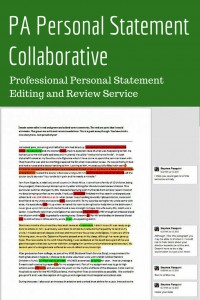 We offer comprehensive, start-to-finish personal statement assistance or help to perfect a draft you already have. We have services to fit every budget.
 Schedule a Live Recorded PA School Video Interview

We offer 60-minute mock PA school interviews with post-interview feedback and advice. Includes a recorded video of your interview that you can watch, download, or share with family and friends. There is no better way to prepare!
Schedule an InterviewPre-PA Consulting and Advising
 Our pre-PA coaching service consists of a 1-hour phone consultation focused on addressing your specific questions or concerns about becoming a PA and applying to PA school.


When you were deciding your PA school, was the tuition costs your main priority? I really want to go to this specific school but the costs are so high but it’s everything I want?
Honestly, I didn’t have the luxury of making tuition my main deciding factor—I was only accepted to one PA program, so the choice was made for me.
That said, cost still mattered. I addressed it by joining the National Health Service Corps, which covered my tuition and provided a monthly stipend in exchange for working in an underserved area after graduation.
So while I didn’t have control over the school side of the equation, I did take control of the financial side through repayment and scholarship programs.
If you’re looking at a higher-cost program, I’d strongly encourage exploring options like NHSC or loan repayment programs—they can completely change the financial picture and make a “dream school” much more realistic without the long-term burden.
Stephen
I always knew PA school would be expensive, but seeing the average debt figures laid out—$36,300 from undergrad and up to $124,000 from PA school—was a bit overwhelming. It’s reassuring to know there are scholarships, grants, and loan repayment programs specifically for physician assistants to help manage this financial burden.
The breakdown of options like the National Health Service Corps (NHSC) and the Indian Health Service (IHS) Loan Repayment Program was particularly helpful. Learning that the NHSC offers scholarships in exchange for service in underserved areas, and that the IHS provides up to $20,000 per year for loan repayment, gives me hope that I can find a path to finance my education without being buried in debt.
I also appreciated the mention of state-specific programs and the reminder to check with local health departments for additional opportunities. It’s clear that while the cost of PA school is significant, there are resources available for those willing to serve communities in need. This article has motivated me to explore these options further and plan ahead to alleviate the financial challenges of pursuing a career as a physician assistant.
I’m an honors student at UMD. I am graduating next month. I have several clinical credits. What are the best steps to be accepted into a PA school.
Hi,
I am looking to become a NHSC scholar as I am already interested in community medicine. I am going to apply in the 2019 cycle. Would I need to apply for NHSC while applying for schools, once I commit to a specific PA school, or after I graduate PA school?
Thank you!
Hi Stephen,
I am an international student in the process of applying. What may the steps to get loans/grants or scholarships/assistantship to pay for PA school – tuition and accommodations after I am accepted?
Thanks,
R.
Hi! Thank you for the helpful article. I am interviewing for schools currently and I have read everywhere that there is a big push for PAs interested in entering psychiatric medicine, which is my field of interest. Do you know of any scholarship opportunities in this specialty? Thanks!
Hi, Jamie, I would contact the Association of Physician Assistants in Psychiatry. They will be able to direct you to some resources: http://psychpa.com/
Stephen
I am interested in becoming a physician assistant but kind of on the fence because I’m not sure. I haven’t observed any physician assistants. do you have any advice for how I can get a better feel for what they do? I specifically want to do psychiatry…
Hi Jess, the only way to understand what we do on a day to day basis is to observe us in action. You say you are interested in being a psychiatric PA? Then my advice is to go out there and find one to talk to and ideally shadow. Consider also observing a PA in their more “natural” habitat as well such as in the ER or a family practice clinical setting. This way you can get a good feel for what our role is as a generalist.
Stephen
Hi Stephen,
If this isn’t too personal, I was wondering about how much of a stipend you get per month for living expenses from the NHSC? ( the amount may have changed now, but just curious!) 🙂
Thanks so much!
Rachel
Hi Rachel,
I don’t mind at all, the stipend I received in 2004 was $1000 per month. I sure would hope that it has increased since that time!
Stephen
Hi Stephen! I have 2 young children, am already 38 and also a military Veteran. I want to be a PA so I can give back and work for the VA to help with veteran women’s healthcare. How difficult would it be to attend the grad program without getting a job while in school?
Not bad at all… It is 26 months of intensive study and there are many programs out there that will help with loan repayment. The VA is in desperate need of people like you to join their ranks! I say go for it!
Stephen
There are various programs that offer loan forgiveness or partial repayment in exchange for commitment to working in a certain underserved community or area for a set time. Can you comment on these?
I think these are wonderful programs! As a National Health Service Corps scholar I was “required” to serve just 2 years in an underserved community in exchange for tuition and a monthly stipend. I stayed at my service corps site for 10 years so I guessed it worked out well. I love these programs and I recommend them to everyone who has a passion to serve in these types of communities. It is a wonderful experience and I am now fluent in Spanish as a result.
Stephen
Hi! am a Ghanaian and I want to know how I can go to the PA school for free?
Hi Charles,
Sometimes your home country may offer scholarships to healthcare providers to study overseas in exchange for service upon returning home. You may want to see if this is an option. I know in South Africa there are several physician associate training programs. I actually wrote an article a while back on them here: https://www.thepalife.com/make-a-difference-train-the-next-generation-of-pas-in-sub-saharan-africa-as-a-clinical-associates-mentor/
You may want to check that out, especially if you plan on returning home to work – as PAs are not recognized in many countries, even in South Africa this is a very new profession.
If you are working, living and studying in the United States you can speak with someone at your financial aid department of your college/university and an academic advisor – they are a wonderful resource.
If you are in Ghana, a good place to start may be a local University there and speak with someone in their international studies department or call your local government representative/agency.
Stephen
You might want to add http://www.tnpa.com/content/scholarship-applications\
The Tennessee Physician Assistant Foundation awards the following scholarships each year at FallFest, TAPA’s fall continuing medical education (CME) conference.
The James Montag, Jr. Scholarship
The J.C Carey Memorial Scholarship
Scholarship criteria include:
The applicant must be a student in good standing enrolled in a Committee on the Accreditation of Allied Health Education Programs (CAAHEP) approved program in Tennessee, or a student in a CAAHEP approved program outside the state of Tennessee who holds valid residency in the state of Tennessee; accepted proof will be valid driver’s license from Tennessee or other authenticated legal document.
Applicants of the James Montag, Jr. scholarship must have military experience.
Thank you so much Kate for posting this! I will try to remember to add this to the post and I encourage everyone with scholarship or grant opportunities not listed above to post them here in the comments section.
– Stephen
Do you know how much these scholarships awrd?