
Reviewed and fully rebuilt August 2026 · Stephen Pasquini, PA-C

You got in. Now comes the part nobody warned you about.
PA school is not harder than you can handle. It is just faster than anything you have done before. The volume is the whole difficulty — you are drinking from a firehose for 27 months and there is no time to build a system once you are already behind.
So build it now. This page is the gear, the books, the apps, and the study strategy I would hand you on day one, organized the way school actually happens: didactic year, then rotations, then the PANCE.
Two honest notes. Some links here are Amazon affiliate links — if you buy through them I earn a small commission at no cost to you, and it keeps the free tools on this site free. And I have removed everything that died: five apps I used to recommend no longer exist, including Tarascon’s.
Type to filter everything on this page.
Where are you right now?
Three stages. Jump to the one you are living in.
PART 1
The didactic year
Classroom and lab. The failure mode here is almost never intelligence — it is trying to study the way you did in undergrad and running out of hours.
Learn how you learn, then just do it. Rereading notes feels productive and is close to worthless. Testing yourself is uncomfortable and works. Whatever system you pick, make it active: questions, flashcards, drawing it out, teaching it to somebody. Pick one in week one and stop shopping for a better one in week six.
Textbook essentials
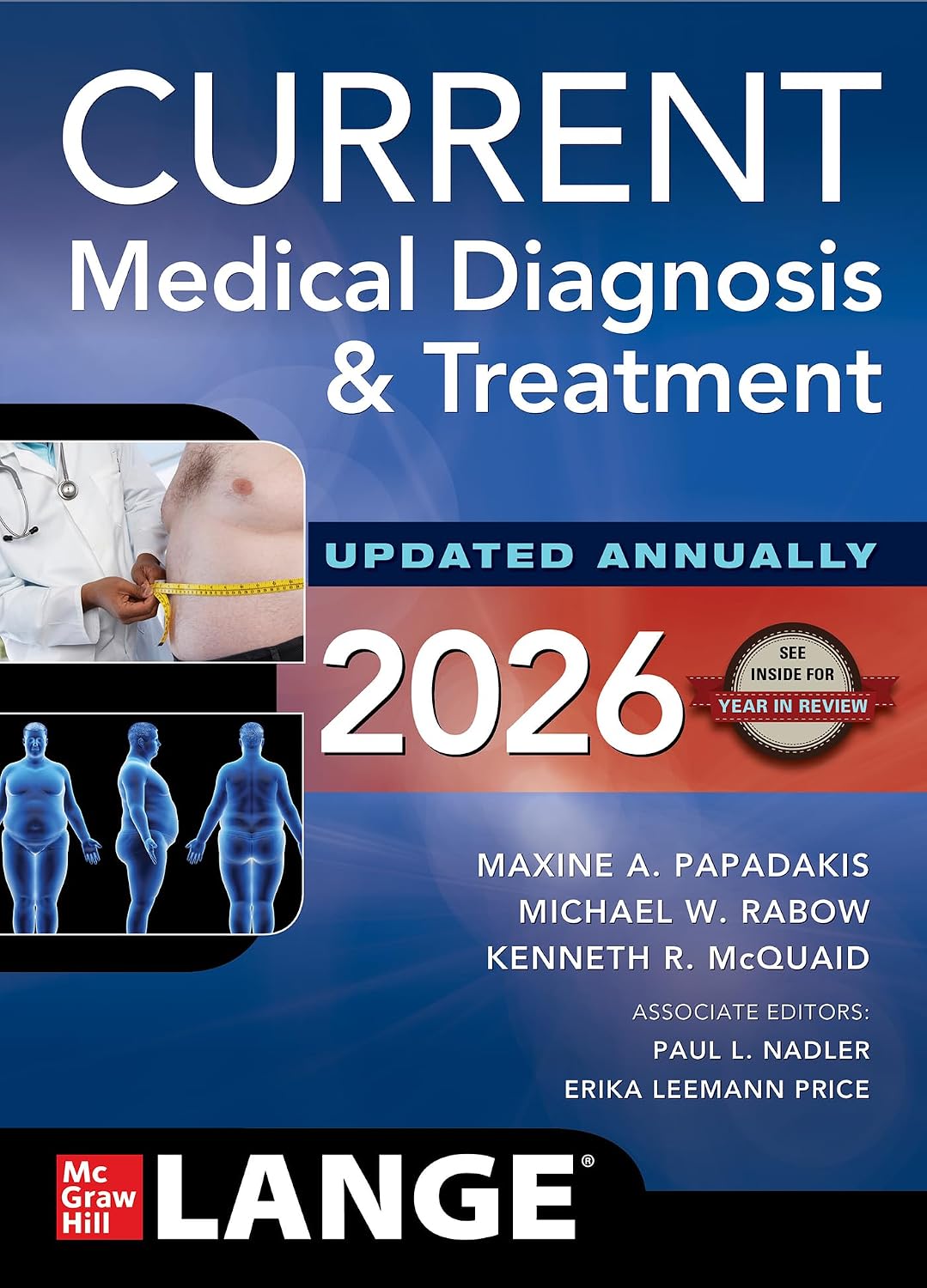 CURRENT Medical Diagnosis & TreatmentThe reference you will open more than any other. This link always opens the newest year.
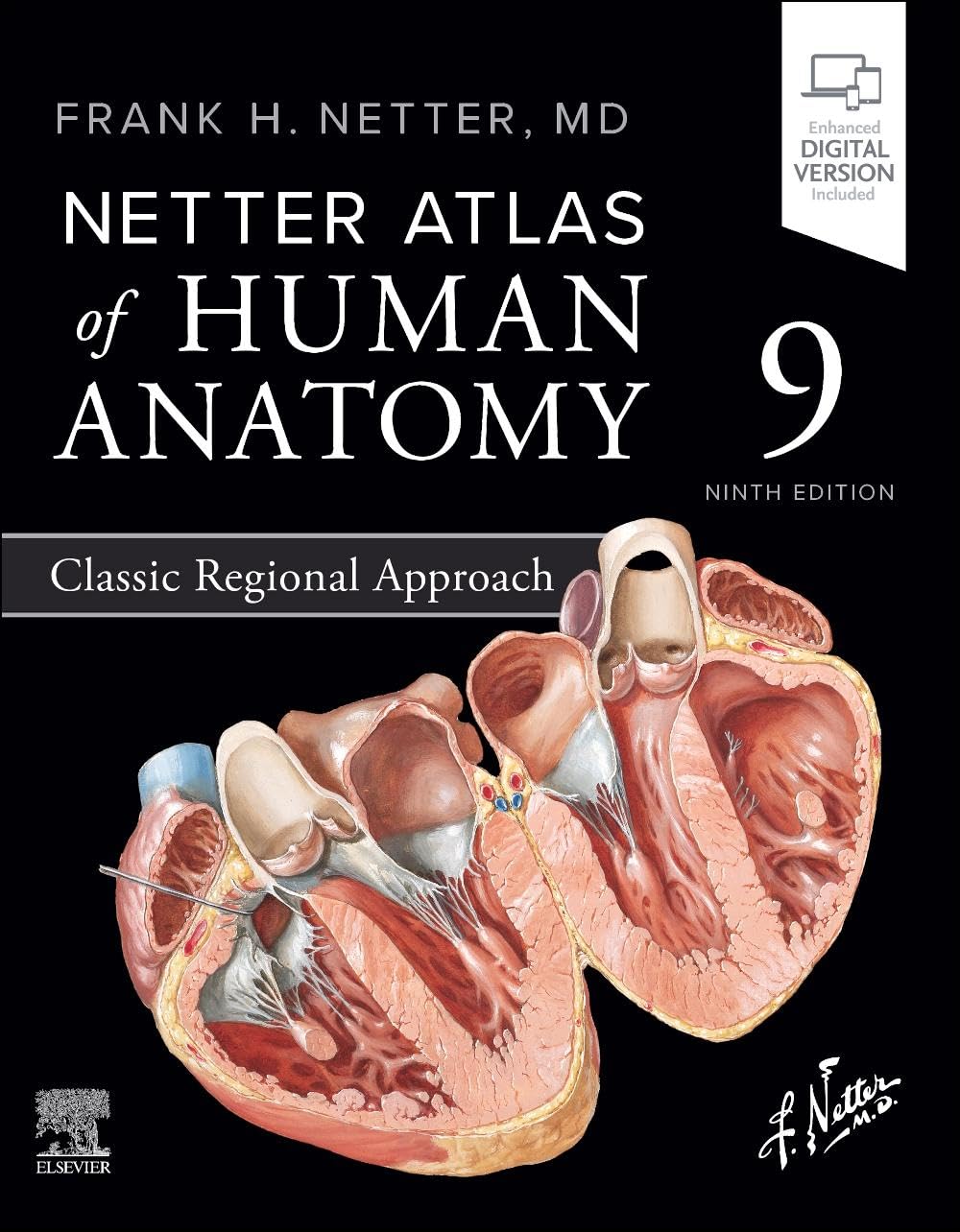 Netter Atlas of Human AnatomyStill the atlas. Nothing has replaced it.
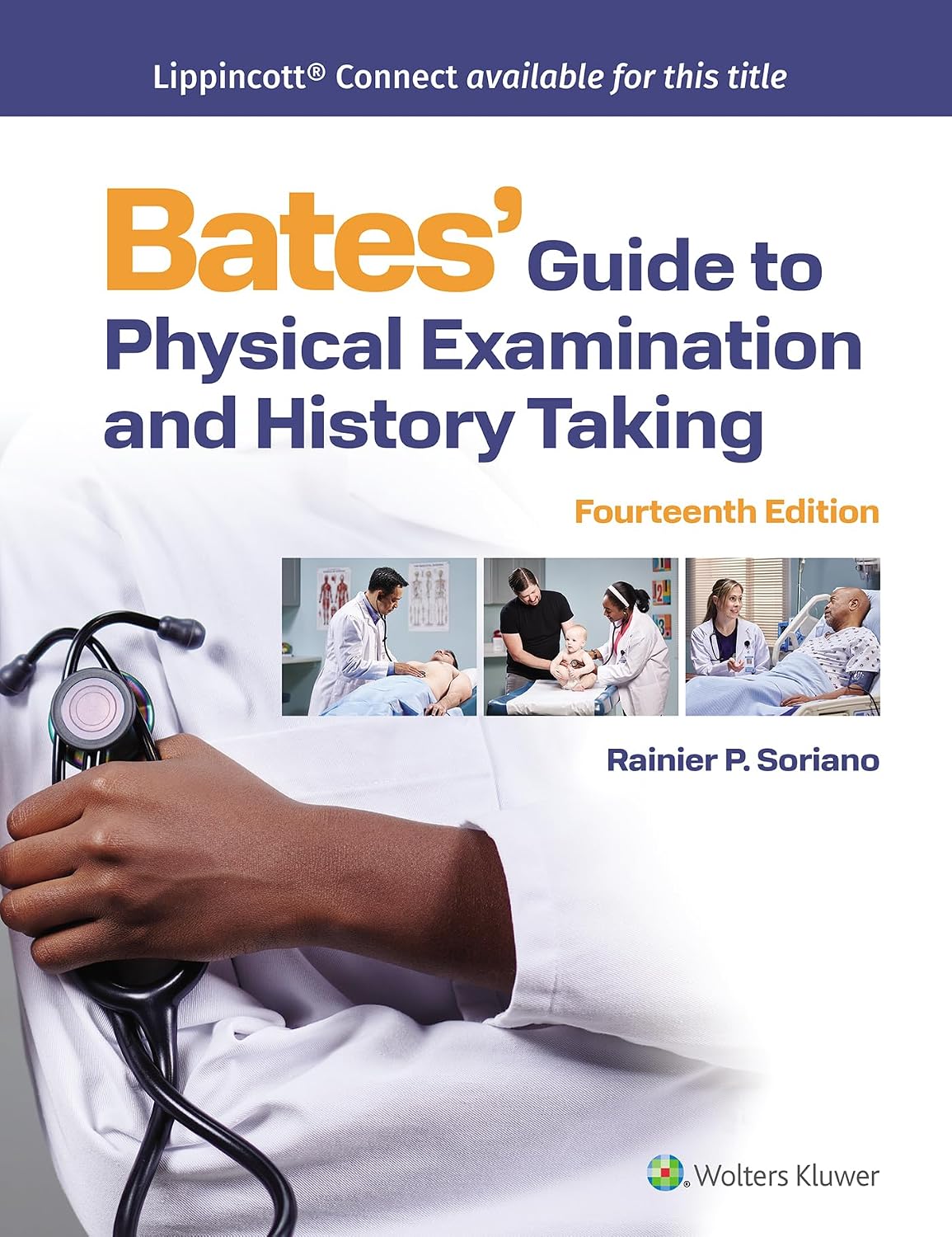 Bates' Guide to Physical ExaminationHow to actually do the exam, not just name the findings.
Books that make studying easier
Apps worth your phone storage
Every one of these was checked against the App Store this month. The five I used to recommend that no longer exist have been removed.
PART 2
The clinical year
Rotations. New hospital, new preceptor, new specialty every few weeks. What saves you is a pocket reference you trust and one good book per rotation.
Gear that earns its place in your white coat
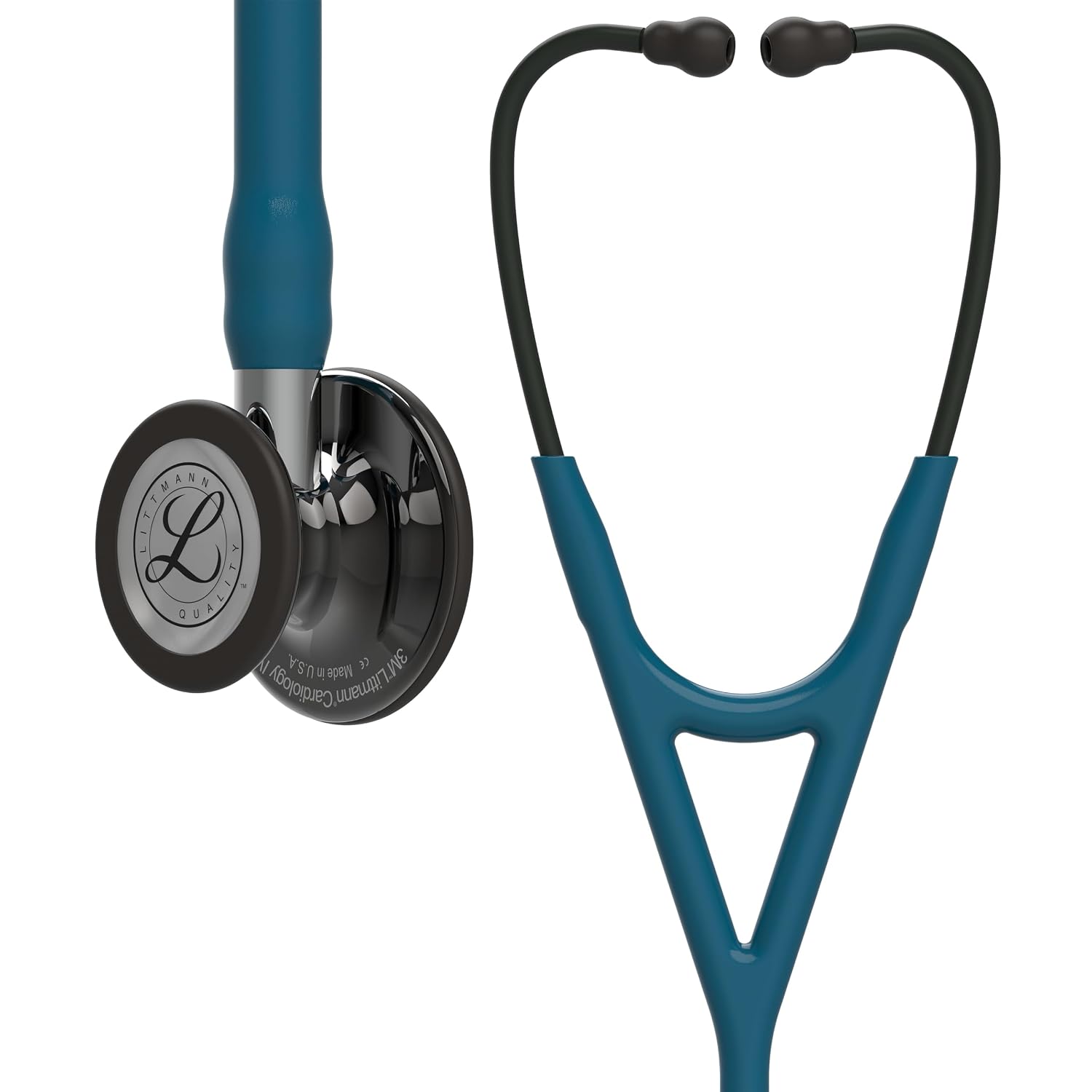 Littmann Cardiology IV~$164. Buy it once. It will outlast school and most of your first job.
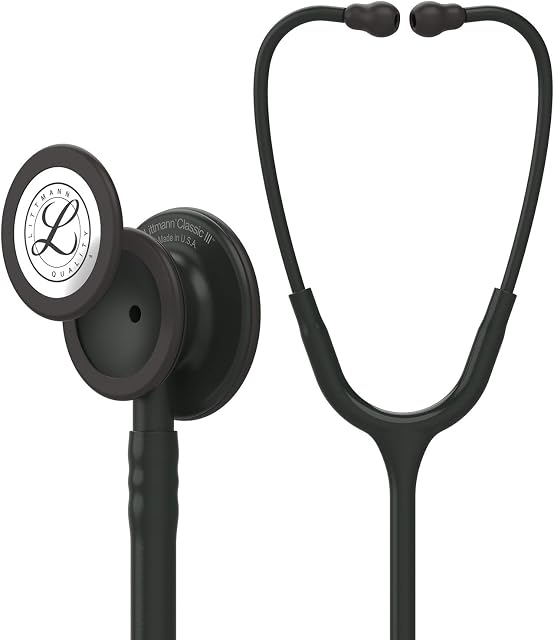 Littmann Classic III~$79. Plenty of stethoscope for most rotations if the Cardiology is out of reach.
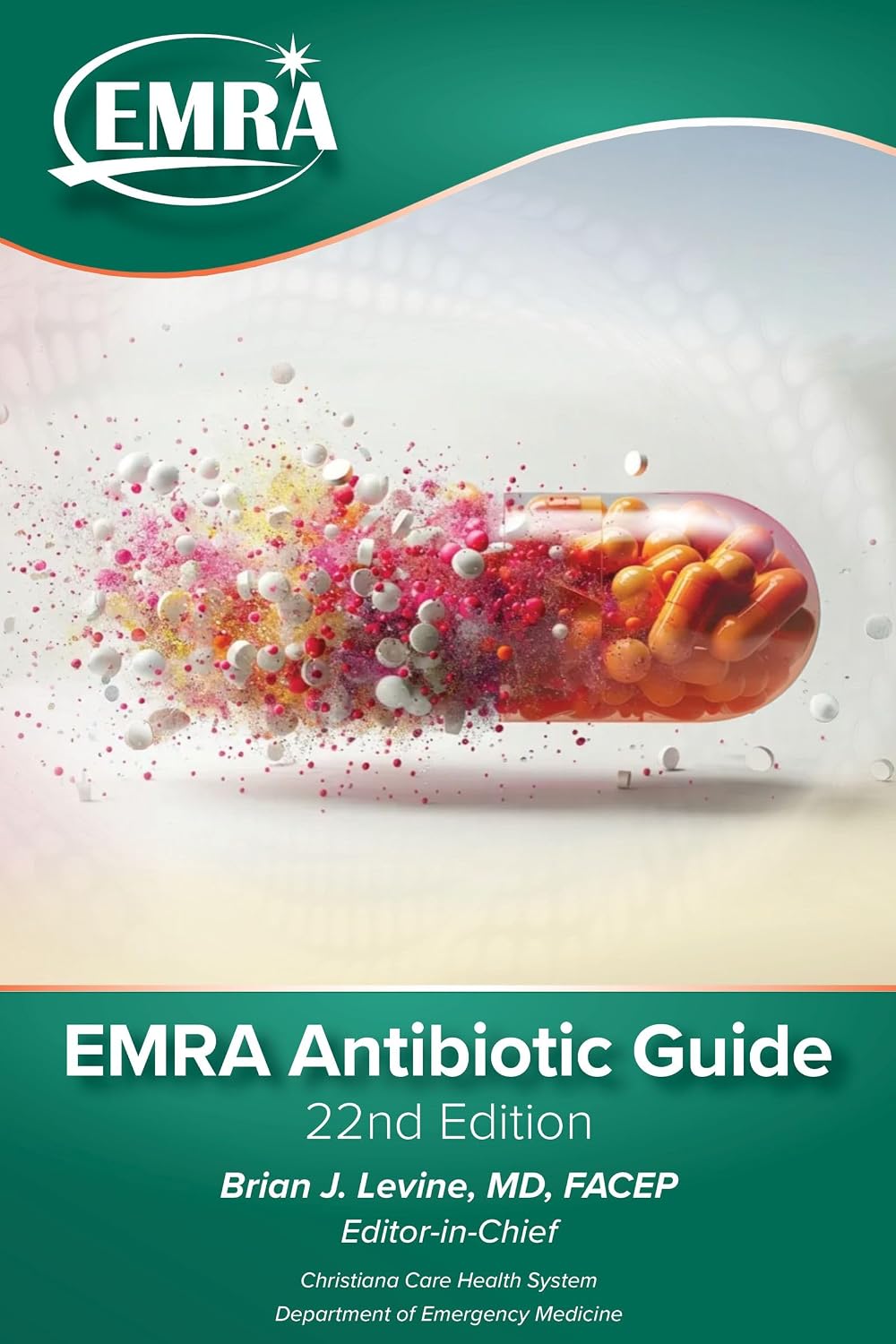 EMRA Antibiotic Guide, 22nd EditionPocket-sized. Tells you what to give and how much.
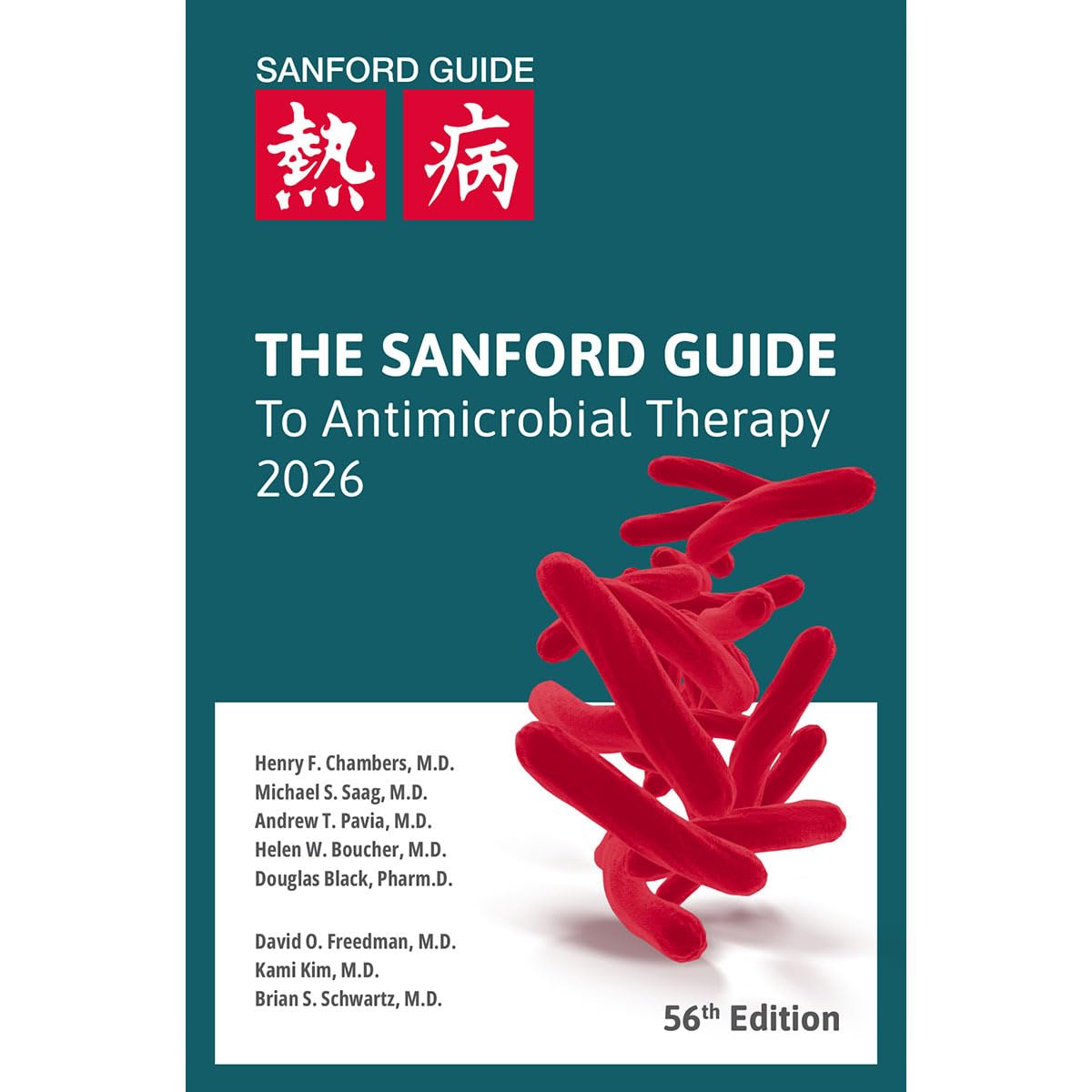 Sanford Guide to Antimicrobial TherapyThe antibiotic bible. This link always opens the newest year.
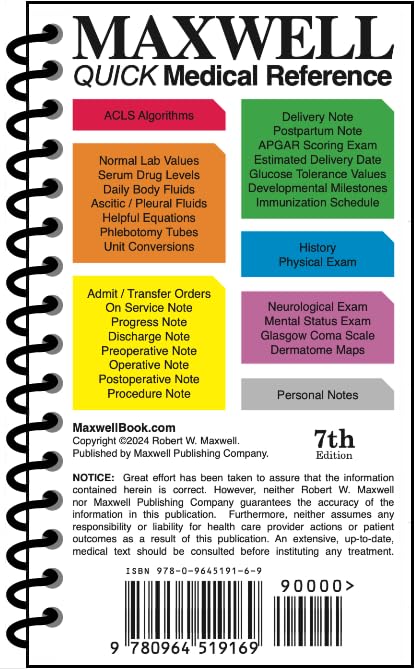 Maxwell's Quick Medical Reference, 7th EditionA few dollars, fits in a badge holder, saves you constantly.
On stethoscopes: buy the best one you can afford, once. A Cardiology IV will still be around in fifteen years. If money is tight the Classic III is genuinely enough for most of what you will do as a student — do not let anyone make you feel underequipped over $85. And engrave it or tape your name on it. They walk.
Free clinical references I actually use
Every rotation ends with an exam
Check your ExamDriver label first. PAEA published an updated topic list effective July 2026 for all EOR administrations. Programs are on different ones, so every page carries both — pick the one that matches your label.My takeThree things hold for every rotation. Start doing practice questions in week one and use them to learn, not as a readiness check at the end — saving them for the last few days is the single most common regret students report. Pick one question bank, one content source, one flashcard system, and stop shopping. And expect your first EOR score to be your lowest. Almost everyone’s is.
Full disclosure: Smarty PANCE is mine. I built it because nothing like it existed when I was studying, and I keep rebuilding it because students keep telling me what is missing.
Rotation by rotation
Exam resources first, then books. You do not need all the books — you need one or two for the rotation you are standing in right now.
Family medicine & primary care
 The PA Student's Guide to the Clinical Year: Family MedicineWritten for PA students, by PAs. Start here.
 Case Files: Family Medicine, 6th EditionCase-based, and the format EOR questions actually mimic.
 Swanson's Family Medicine ReviewDense review if you want depth on top of cases.
Internal medicine
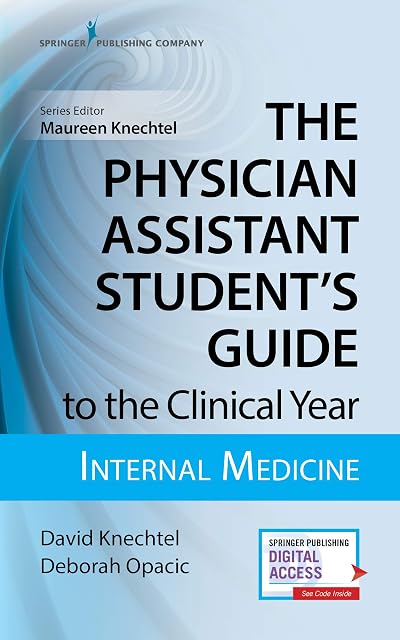 The PA Student's Guide to the Clinical Year: Internal MedicinePA-specific and rotation-sized.
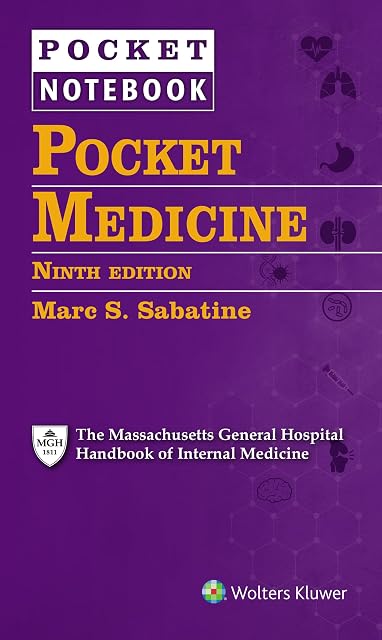 Pocket Medicine (MGH Handbook)The white-coat standard. Buy the spiral.Case Files: Internal Medicine, 7th EditionSixty cases that map onto what you will be pimped on.
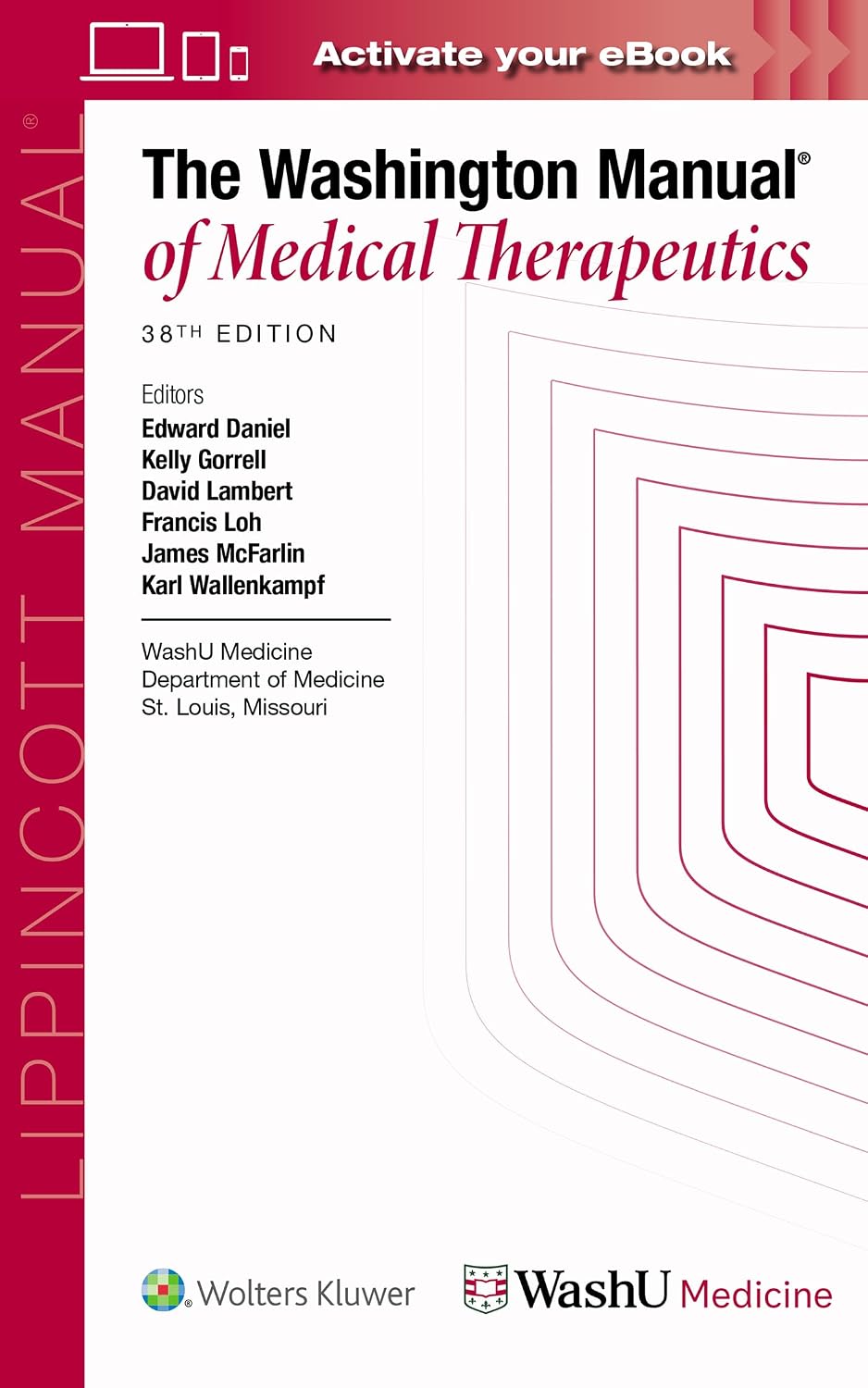 The Washington Manual of Medical TherapeuticsWhen you need the actual treatment algorithm.
Surgery
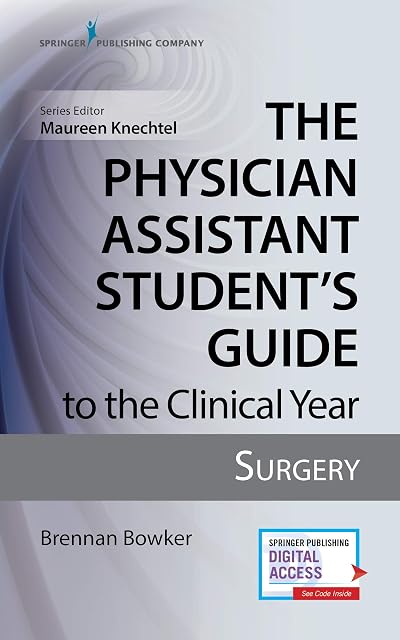 The PA Student's Guide to the Clinical Year: SurgeryPA-specific. Covers what you are expected to know in the OR.
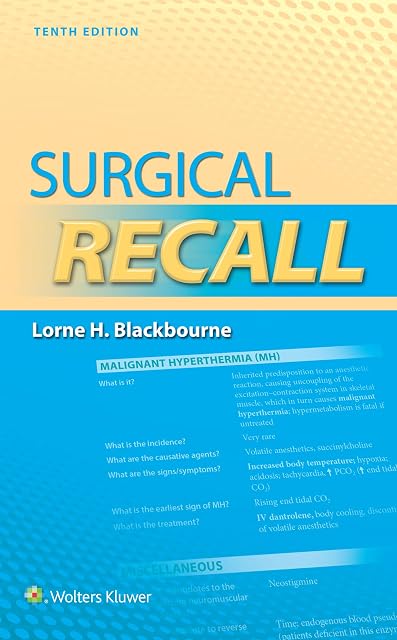 Surgical RecallPimping in book form. Read it the night before you scrub in.
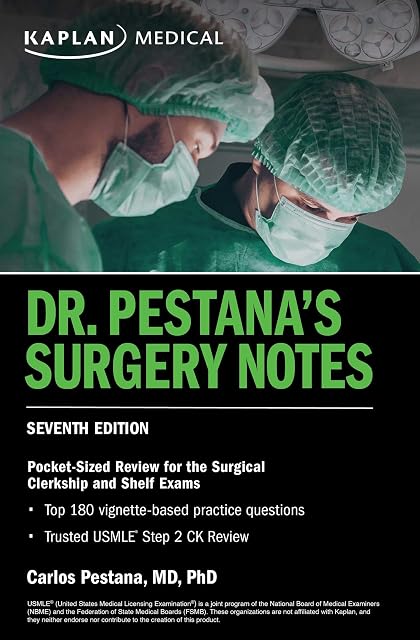 Dr. Pestana's Surgery Notes, 7th EditionTop 180 vignettes. Short, high yield, famous for a reason.
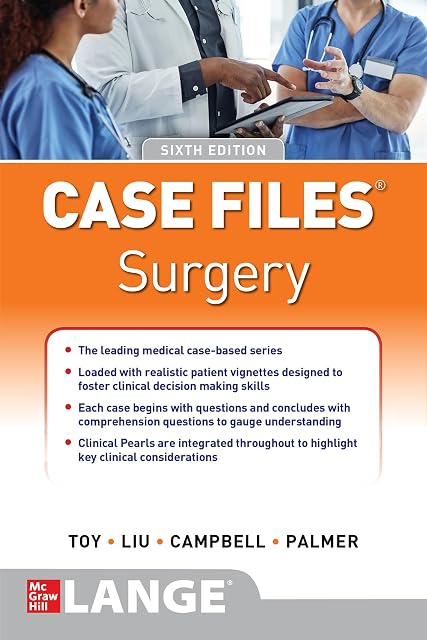 Case Files: Surgery, 6th EditionCase-based reinforcement.
Emergency medicine
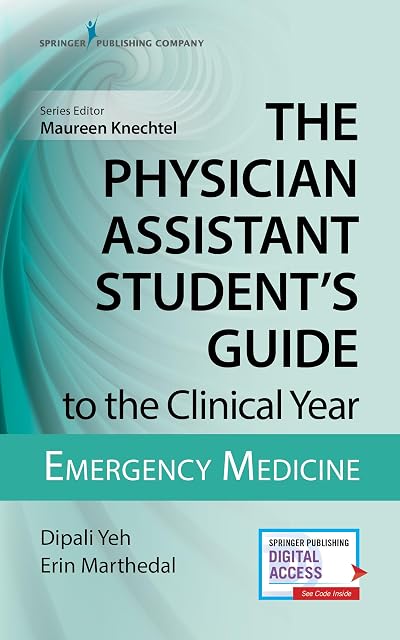 The PA Student's Guide to the Clinical Year: Emergency MedicinePA-specific, and sized for a rotation rather than a residency.
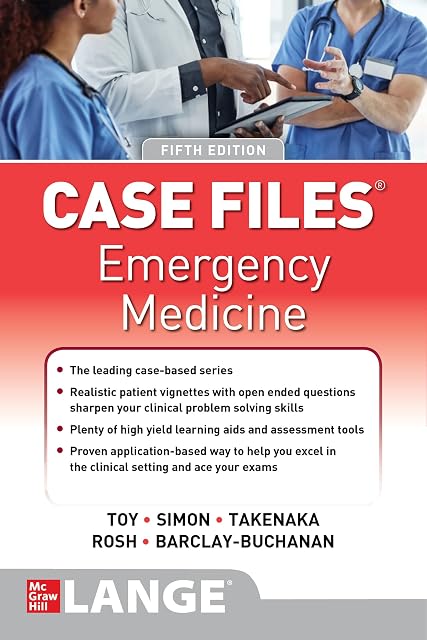 Case Files: Emergency Medicine, 5th EditionUndifferentiated patients, worked through case by case.
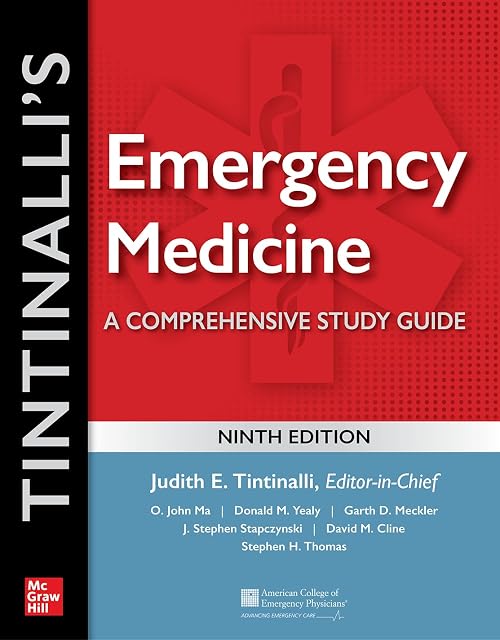 Tintinalli's Emergency Medicine, 9th EditionThe reference. Heavy — use it to look things up, not to read cover to cover.
OB/GYN & women’s health (GSR)
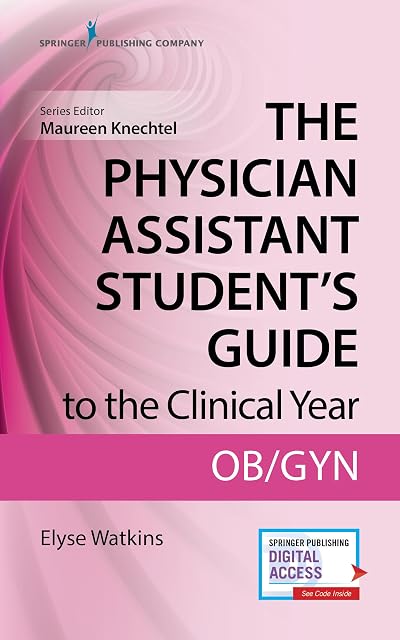 The PA Student's Guide to the Clinical Year: OB-GYNPA-specific. Good on the exam skills you will be graded on.
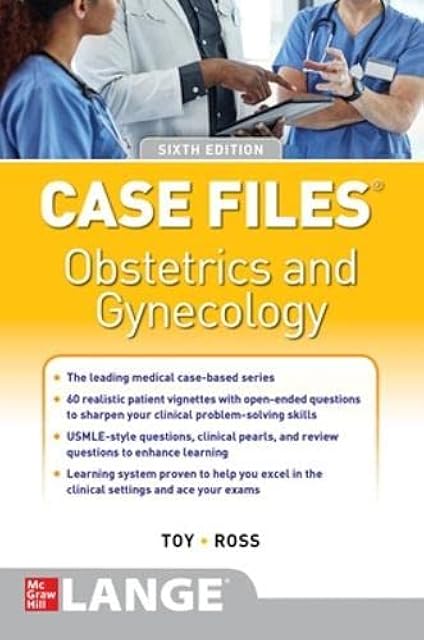 Case Files: Obstetrics and Gynecology, 6th EditionCase-based and current.
Pediatrics
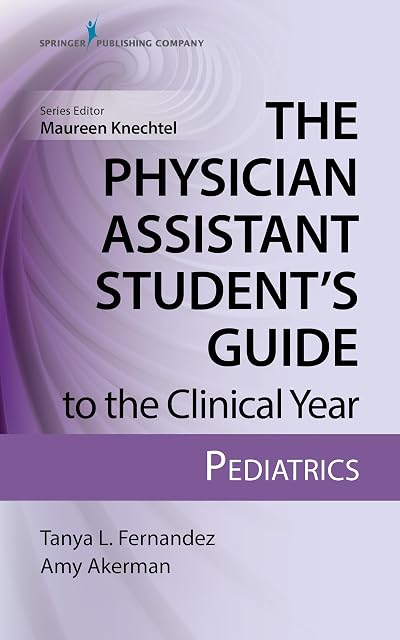 The PA Student's Guide to the Clinical Year: PediatricsPA-specific, rotation-sized.
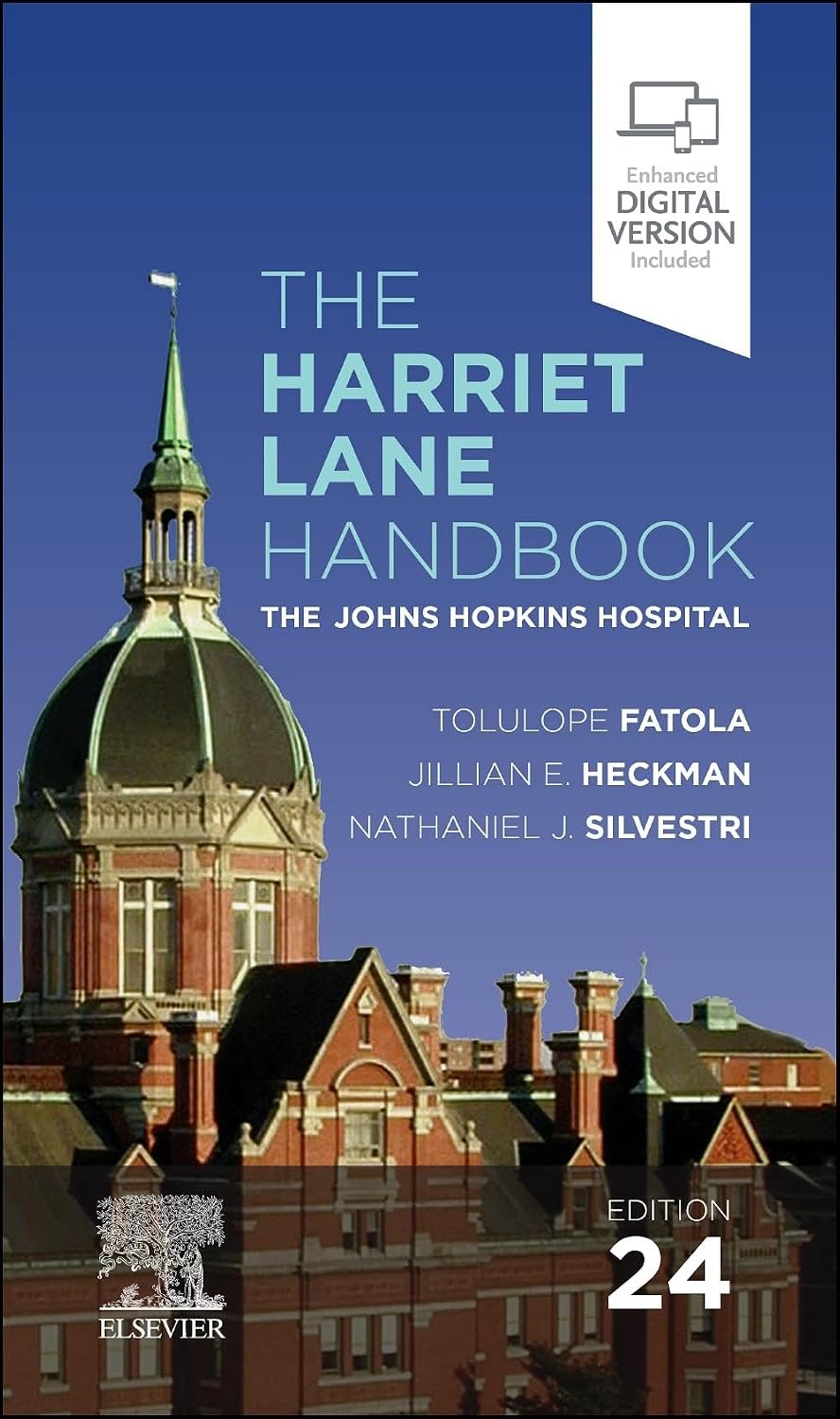 The Harriet Lane HandbookEvery peds dose you will need, and the one everyone actually carries.
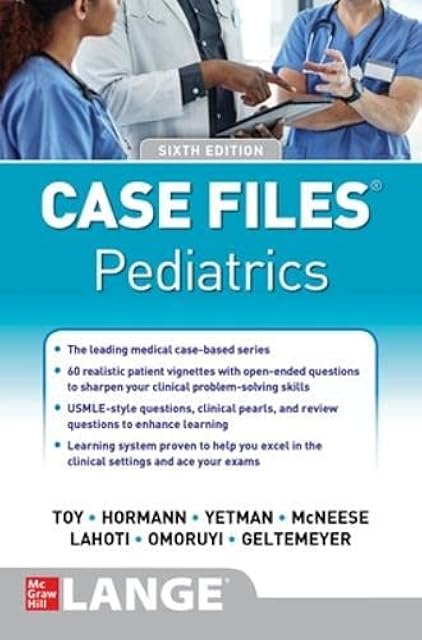 Case Files: Pediatrics, 6th EditionCases across the whole age range.
Psychiatry & behavioral health
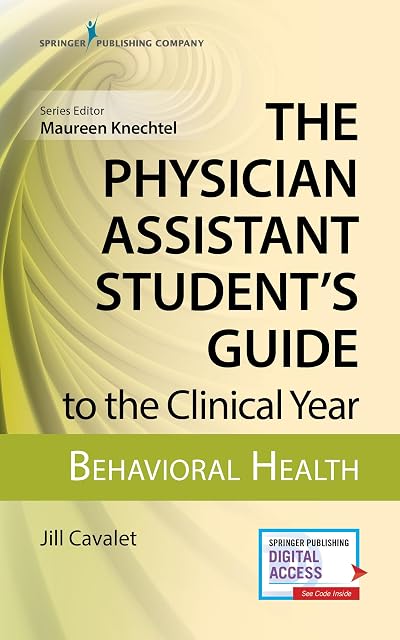 The PA Student's Guide to the Clinical Year: Behavioral HealthPA-specific and genuinely practical on the interview.
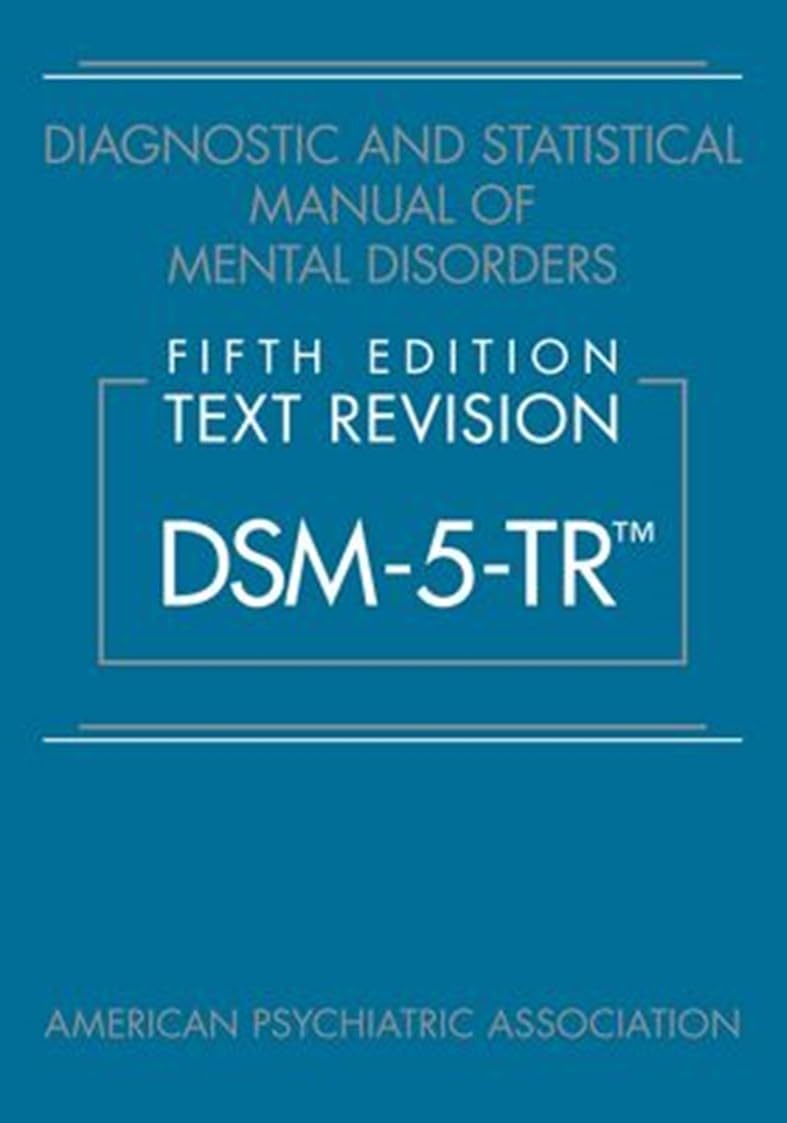 DSM-5-TRThe current text revision. Criteria you will be tested on.
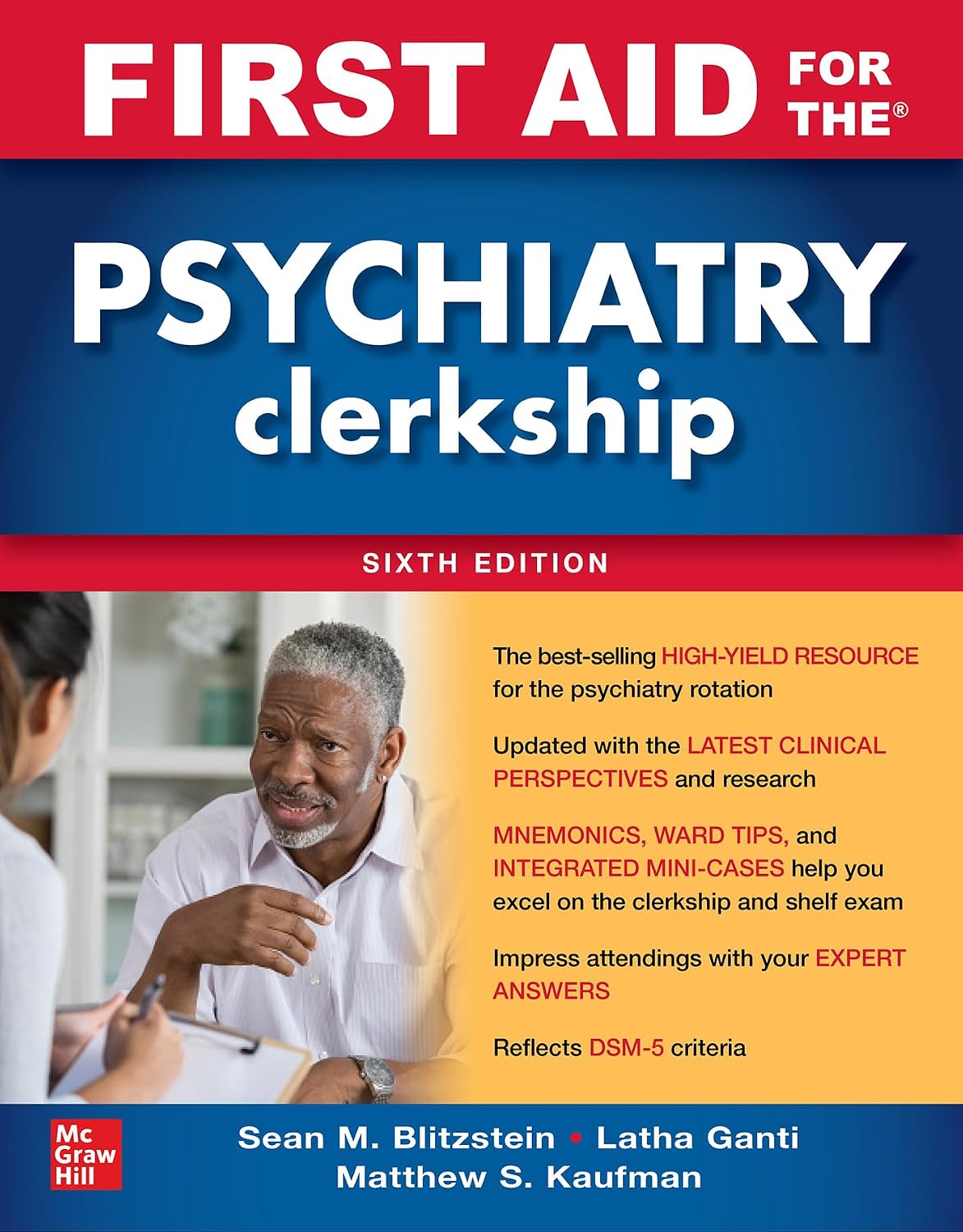 First Aid for the Psychiatry Clerkship, 6th EditionHigh-yield and short.
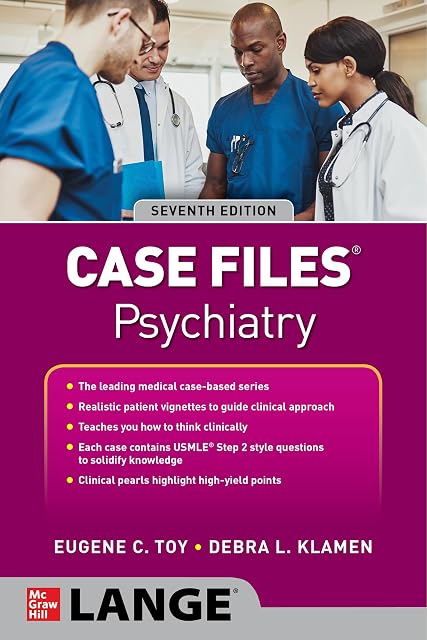 Case Files: Psychiatry, 7th EditionCases that teach the differential.
Then comes the EOC
One more exam sits between your last rotation and the PANCE, and it is the closest thing to a dress rehearsal your program gives you.
PART 3
PANCE prep
The national first-time pass rate is 91%. Good odds — but they are good because people prepare, not because the exam is easy. Start earlier than feels necessary.
Free PANCE prep
Prep books
Rebuilt and re-checked August 2026. Every book on this page was verified in print and current this month. The Blueprints series is gone — it stopped being revised years ago (Blueprints Surgery is still on a 2008 edition). CMDT and the Sanford Guide use links that always open the newest year, so they never go stale.
WHAT COMES NEXT
The other two stages
One last thing
PA school will make you feel like the dumbest person in the room roughly once a week. That feeling is not evidence. Everyone in your cohort is having it, and almost all of you are going to be excellent clinicians.
Take care of your body and the people who love you while you are in it. The degree is not worth the things people trade for it, and you do not actually have to trade them.
If something on this page is out of date or you found something better, tell me. Students keep this page honest.
Stephen Pasquini, PA-C
About me · The blog · All resources


