
Are you ready to get started? Choose your package, and we will begin today!
Single Edit One-on-one Service Supplemental Essays
Your success is our passion. (See just some of our 100's of testimonials and comments below). We are ready to help. Our current PA school essay editing service status (20th October 2026): Accepting New Submissions

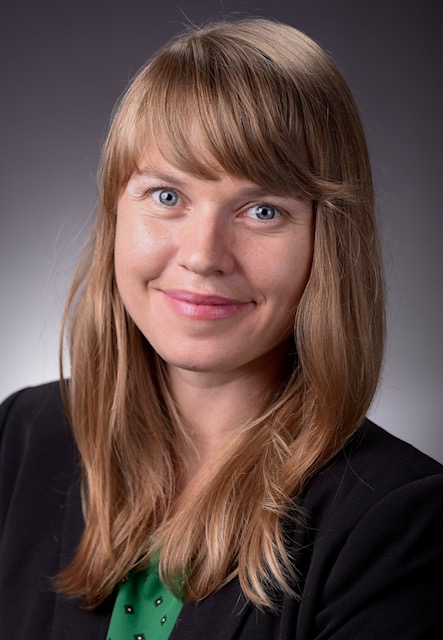
(Photo: Me circa 1987, just thinking about my future PA School Essay)
- Are you struggling to write your physician assistant personal statement?
- Are you out of ideas, or just need a second opinion?
- Do you want an essay that expresses who you truly are and grabs the reader's attention in the required 5,000-character limit?
We are here to help perfect your PA school essay
I have written countless times on this blog about the importance of your personal statement in the PA school application process. Beyond the well-established metrics (GPA, HCE/PCE hours, requisite coursework, etc.), the personal statement is the most crucial aspect of your application.
This is your time to express yourself, show your creativity, skills, and background, and make a memorable impression in seconds. This will be your only chance, so you must get it right the first time.
For some time, I had been dreaming about starting a physician assistant personal statement collaborative.
A place where PA school applicants like yourself can post their PA school essays and receive honest, constructive feedback followed by an acceptance letter to the PA school of your choice!
I have been reviewing a ton of essays recently, so many in fact that I can no longer do this on my own.
To solve this problem, I have assembled a team of professional writers, editors, and PA school admissions specialists who worked to revise and perfect my PA school application essay.
 Beth Eakman has taught college writing and worked as a professional writer and editor since the late 1990s. Her projects have involved a wide range of disciplines and media, from editing scientific research and technical reports to scriptwriting for television. Her writing has appeared in academic, professional, and popular publications. Beth lives with her family just outside Austin, Texas. She enjoys the unique opportunity that The PA Life offers to combine her training as a writer and editor with her experience teaching in order to support PAs and aspiring PAs in achieving their professional goals.
 Carly Hallman is a professional writer and editor with a B.A. in English Writing and Rhetoric (summa cum laude) from St. Edward's University in Austin, Texas. She has worked as a curriculum developer, English teacher, and study abroad coordinator in Beijing, China, where she moved in 2011. In college, she was a Gilman Scholar and worked as a staff editor for her university's academic journal. Her first novel, Year of the Goose, was published in 2015, and her first memoir is forthcoming from Little A Books. Her essays and creative writing have appeared in The L.A. Review of Books, The Guardian, LitHub, and Identity Theory, among other publications.
Read more client testimonials or purchase a revision
We Work as a Team
Our team of professional editors is wonderful at cutting out the "fluff" that makes an essay lose focus and sets people over the 5,000-character limit. Their advice is always spot-on.
Sue, Sarah, and Carly are amazingly creative writers who will take your "ordinary" and turn it into entirely extraordinary.
I mean it when I say this service is one-of-a-kind! We have spent countless hours interviewing PA School admissions directors and faculty from across the country to find out exactly what it is they are looking for in your personal statement.
We even wrote a book about it.
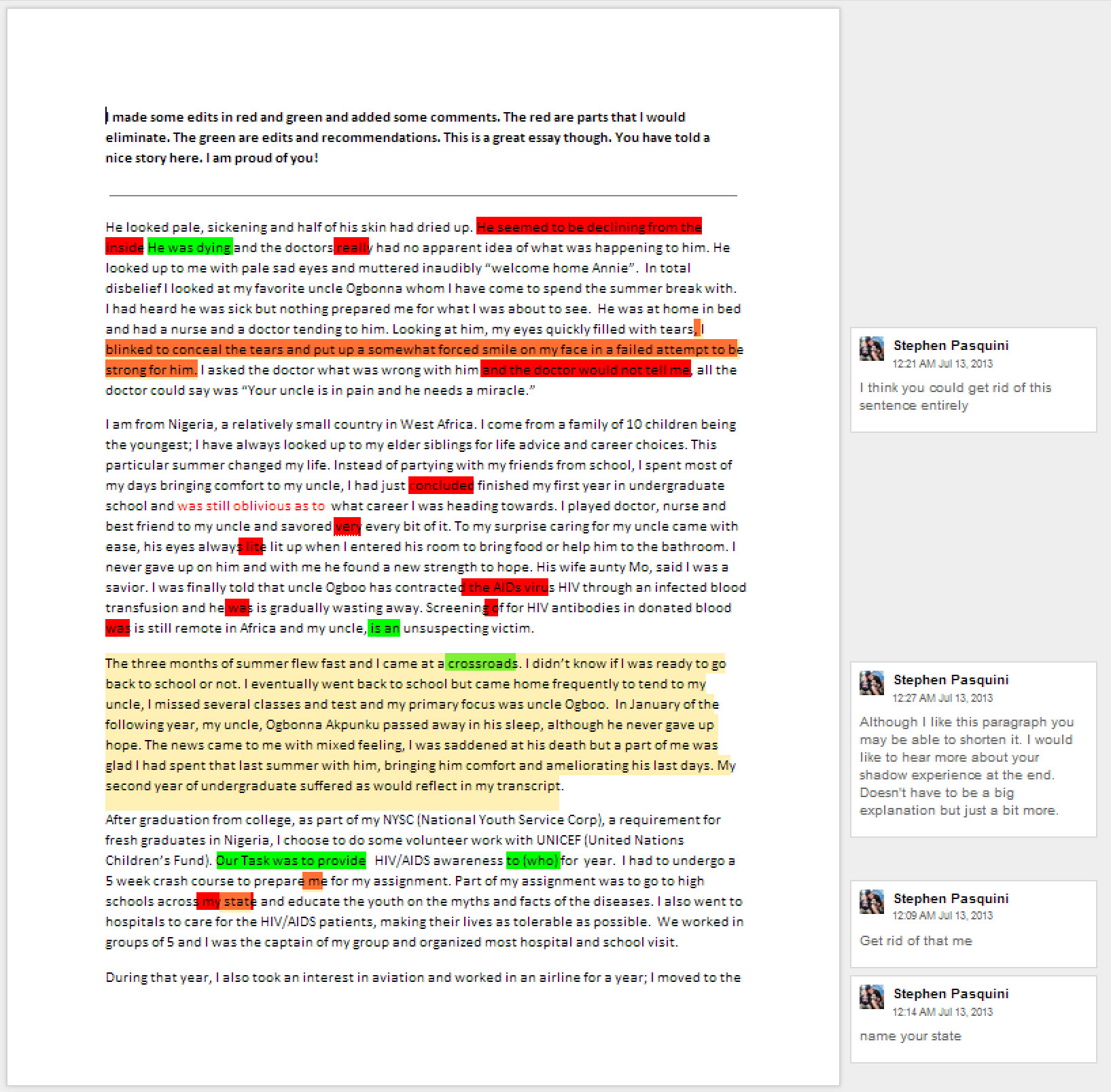 To collaborate, we use Google Drive. Google Drive is free, has an intuitive interface with integrated live comments in the sidebar, the ability to have a real-time chat, to collaborate effortlessly, and to compare, revise, or restore revisions on the fly. Google Drive also has an excellent mobile app that will allow you to make edits on the go!
Our team has worked with hundreds of PA school applicants within the Google Drive environment, and we have had enormous success.
The Physician Assistant Essay and Personal Statement Collaborative
I have set up two options that I hope will offer everyone a chance to participate:
- One-of-a-kind, confidential, paid personal statement review service
- A collaborative, free one (in the comments section)
Private, One-On-One Personal Statement Review Service
If you are interested in the paid service, you may choose your plan below.
The Personal Statement Review Service is:
- Behind closed doors within a private, secure network using Google Drive.
- It is completely interactive, meaning we will be able to provide real-time comments and corrections using the Google Drive interface.
- Telephone consultations are included with all edits above the single edit level. It’s often hard to communicate exactly what you want hundreds of miles away; for this reason, we offer the option to edit right along with us over the telephone while sharing in real-time over Google Drive. This is an option available to all our paid clients who purchase above the single edit level.
- We provide both revision and editing of all essays. What’s the difference? See below
- We will provide feedback, advice, and help with brainstorming and topic creation if you would like.
- We will help with a “final touch-up” before the big day, just in case your essay needs a few minor changes.
Why Choose Our Service?
- It’s not our opinion that matters. We have gone the extra step and personally interviewed PA school administrators from across the US to find out exactly what they think makes a personal statement exceptional.
- We are a team of PAs and professional writers, having worked over ten years with PA school applicants like yourself, providing countless hours of one-on-one editing and revision.
- Our clients receive interviews, and many go on to receive acceptance into their PA School of choice.
Because we always give 100%, we will open the essay collaborative for a limited number of applicants each month and then close this depending on the amount of editing that needs to be done and the time that is available.
Our goal is not quantity but quality. We want only serious applicants who are serious about getting into PA school.
Writing is not a tool like a piece of software but more like how a photograph can capture your mood. It’s more like art. The process of developing a unique, memorable personal statement is time-intensive, and it takes hours to compose, edit, finalize, and personalize an essay.
As Antoinette Bosco once said:
And this is why I am charging for this service. We love helping people find stories that define their lives, and we love helping individuals who have the passion to achieve their dreams. It’s hard to describe the feeling I get when an applicant writes back to tell me they were accepted into PA school.
There is no price tag I can place on this; it’s the feeling we get when we help another human being. It’s just like providing health care. But this takes time.
Interested? Choose your plan below.
Read more client testimonials.
Free Personal Statement Review
Post your essay in the comments section for a free critique
We want to make this opportunity available to everyone who would like help with their essay, and that is why we are offering free, limited feedback on the blog.
You post your essay in the comments section, and you will get our critique. It is that easy. We will try to give feedback to every single person who posts their COMPLETE essay here in the comments section of this blog post.
Also, by posting your comment, we reserve the right to use your essay.
We will provide feedback on essays that are complete and fit the CASPA requirements (View CASPA requirements here). We will not provide feedback on partial essays or review opening or closing statements. Your essay will be on a public platform, which has both its benefits and some obvious drawbacks. The feedback is limited, but we will try to help in any way we can.
Note: Comment Rules: Remember what Fonzie was like? Cool. That’s how we’re gonna be — cool. Critical is fine, but if you’re rude, I will delete your stuff. Otherwise, have fun, and thanks for adding to the conversation! And this should go without saying: if you feel the need to plagiarize someone else’s content, you do not deserve to go to PA school.
* Also, depending on the time of year, it may take me several weeks to reply!
We love working with PA school applicants, but don't just take our word for it!
How to submit your essay for the paid service
If you are serious and would like to have real, focused, and personalized help writing your personal statement, please choose your level of service and submit your payment below.
After you have submitted your payment, you will be redirected to the submissions page, where you can send us your essay as well as any special instructions. We will contact you immediately upon receipt of your payment and essay so we may begin work right away.
Pricing is as follows:
Choose your plan, then click "Buy Now" to submit your essay, and we will get started right away!
Every purchase includes a FREE digital copy of our new 100-page eBook, How to Write Your Physician Assistant Personal Statement, Our 101 PA School Admission Essays e-book, the expert panel audiobook, and companion workbook. This is a $65 value included for free with your purchase.
All credit card payments are processed via PayPal over a secure HTTPS server. Once your payment is processed, you will be immediately redirected back to the essay submission page. There, you will submit your essay along with some biographical info and all suggestions or comments you choose to provide. You will receive immediate confirmation that your essay has been securely transmitted as well as your personal copy of "How to Write Your Physician Assistant Personal Statement." Contact [email protected] if you have any questions, comments, or problems - I am available 24/7.
The hourly service includes your original edit and one-on-one time over Google Drive. It is simple to add more time if necessary, but you may be surprised at what a difference just a single edit can make. We find our four-hour service to be the most effective in terms of time for follow-up and full collaboration. We are open to reduced-rate add-ons to suit your individual needs.
Writing and Revision
All writing benefits from rewriting when done well.
When you are in the process of writing a draft of an essay, you should be thinking first about revision, not editing.
What’s the difference?
Revision refers to the substantial changing of text. For example, it may include re-organizing ideas and paragraphs, providing additional examples or information, and rewriting a conclusion for clarity.
Editing, on the other hand, refers to correcting mistakes in spelling, grammar, and punctuation.
We perform both revision and editing on all submissions.
How to submit your PA school essay for the FREE editing service
Follow the rules above and get to work below in the comments section. I look forward to reading all your essay submissions.
– Stephen Pasquini PA-C
View all posts in this series
- How to Write the Perfect Physician Assistant School Application Essay
- The Physician Assistant Essay and Personal Statement Collaborative
- Do You Recognize These 7 Common Mistakes in Your Personal Statement?
- 7 Essays in 7 Days: PA Personal Statement Workshop: Essay 1, “A PA Changed My Life”
- PA Personal Statement Workshop: Essay 2, “I Want to Move Towards the Forefront of Patient Care”
- PA Personal Statement Workshop: Essay 3, “She Smiled, Said “Gracias!” and Gave me a Big Hug”
- PA Personal Statement Workshop: Essay 4, “I Have Gained so Much Experience by Working With Patients”
- PA Personal Statement Workshop: Essay 5, “Then Reach, my Son, and Lift Your People up With You”
- PA Personal Statement Workshop: Essay 6, “That First Day in Surgery was the First Day of the Rest of my Life”
- PA Personal Statement Workshop: Essay 7, “I Want to Take People From Dying to Living, I Want to Get Them Down From the Cliff.”
- Physician Assistant Personal Statement Workshop: “To say I was an accident-prone child is an understatement”
- 9 Simple Steps to Avoid Silly Spelling and Grammar Goofs in Your PA School Personel Statement
- 5 Tips to Get you Started on Your Personal Essay (and why you should do it now)
- How to Write Your Physician Assistant Personal Statement The Book!
- How to Write “Physician Assistant” The Definitive PA Grammar Guide
- 101 PA School Admissions Essays: The Book!
- 5 Things I’ve Learned Going Into My Fourth Physician Assistant Application Cycle
- 7 Tips for Addressing Shortcomings in Your PA School Personal Statement
- The #1 Mistake PRE-PAs Make on Their Personal Statement
- The Ultimate PA School Personal Statement Starter Kit
- The Ultimate Guide to CASPA Character and Space Limits
- 10 Questions Every PA School Personal Statement Must Answer
- 5 PA School Essays That Got These Pre-PAs Accepted Into PA School
- 7 Questions to Ask Yourself While Writing Your PA School Personal Statement
- 101 PA School Applicants Answer: What’s Your Greatest Strength?
- 12 Secrets to Writing an Irresistible PA School Personal Statement
- 7 Rules You Must Follow While Writing Your PA School Essay
- You Have 625 Words and 2.5 Minutes to Get Into PA School: Use Them Wisely
- What’s Your #1 Personal Statement Struggle?
- 31 (NEW) CASPA PA School Personal Statement Examples
- How to Prepare for Your PA School Interview Day Essay
- Should You Write Physician Associate or Physician Assistant on Your PA School Essay?
- Meet the World’s Sexiest PA School Applicants
- PA School Reapplicants: How to Rewrite Your PA School Essay for Guaranteed Success
- How to Write a Personal Statement Intro that Readers Want to Read
- PA School Reapplicant Personal Statement Checklist
- How to Deal with Bad News in Your Personal Statement
- Inside Out: How to use Pixar’s Rules of Storytelling to Improve your PA Personal Statement
- Ratatouille: A Pixar Recipe for PA School Personal Statement Success
- Personal Statement Panel Review (Replay)
- Mind Mapping: A Tool for Personal Statements, Supplemental Essays, and Interviews
- Start at the End: Advice for your PA School Personal Statement
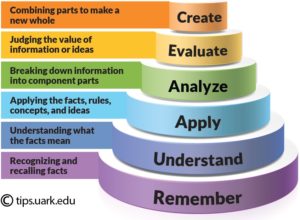
- Elevate Your Personal Statement: Using Bloom’s Taxonomy for Impactful Writing
- How to Write a Captivating Hook for Your PA School Personal Statement
- 3 Surprising Truths About the New CASPA Life Experiences Essay (And Why You Can’t Ignore It)
- 3 PA School Personal Statement Mistakes Our Editor Sees Again and Again
You may also like
 Elevate Your Personal Statement: Using Bloom’s Taxonomy for Impactful WritingThe most common advice writers often give pre-PAs is to "show, don't tell" in your essays. (Though we like to encourage showing …
 Who Gets Into PA School in 2026? Here’s What You Need to KnowLeslie Mean is a 23-year-old single white female who presents to the PA school admissions committee on her second attempt to get …
 Start at the End: Advice for your PA School Personal StatementNot sure what to include in your personal statement? Start at the End! The conclusion should summarize your entire essay. Consider the …


CASPA Personal Statement Help
 We offer comprehensive, start-to-finish personal statement assistance or help to perfect a draft you already have. We have services to fit every budget.
 Schedule a Live Recorded PA School Video Interview

We offer 60-minute mock PA school interviews with post-interview feedback and advice. Includes a recorded video of your interview that you can watch, download, or share with family and friends. There is no better way to prepare!
Schedule an InterviewPre-PA Consulting and Advising
 Our pre-PA coaching service consists of a 1-hour phone consultation focused on addressing your specific questions or concerns about becoming a PA and applying to PA school.


Who is going to take care of me now?”
The question caught me off guard. I stood in the doorway of my patient’s room, holding my report as the day shift began to come in and mentally preparing for my next task. Moments earlier, I had been focused on charting, vital signs, and ensuring everything was ready for her transition into the day. However, when she looked at me and asked that question, the environment felt much more personal. She was not asking for the nurse or complaining about my presence. She was asking who would support her once the comfort and security of the hospital were gone.
In that moment, I realized that healthcare extends far beyond diagnoses, medications, and procedures. Patients remember the people who make them feel safe during some of the most vulnerable moments of their lives. What impacted me most was not that she expected me to have the answer, but that she trusted me enough to ask it. That trust carries responsibility, and it strengthened my desire to pursue a career as a physician assistant.
Working in healthcare has shown me how personal medicine is. Every shift has reinforced that healing is not only physical, but also emotional. It begins with listening, presence, and compassion. In long nights and emotionally difficult situations, I learned that small actions matter most: explaining things clearly, sitting with someone who feels alone, or acknowledging a patient’s fear. These moments shaped my desire to become a provider who understands both medicine and the people it serves.
My experiences on post-surgical and neuroscience units exposed me to a wide range of patients and clinical situations. In post-surgical units, I cared for patients recovering from major operations while navigating pain, vulnerability, and uncertainty as they adjusted to temporary or permanent changes in function. In the neuroscience unit, I cared for patients experiencing strokes, seizures, and other life-altering neurological conditions. These experiences taught me how quickly a patient’s life can change and how essential compassionate care becomes in those moments.
Beyond the clinical setting, my experience as a collegiate swimmer has shaped my discipline, resilience, and ability to perform under pressure. Competing at the college level required early mornings, structured routines, and consistent commitment to improvement, even when progress felt gradual. I learned how to stay composed when exhausted, adapt to setbacks, and contribute to a team where every individual’s effort mattered. Swimming also taught me accountability to my teammates, coaches, and myself, an expectation that closely mirrors patient care, where reliability and consistency directly impact others.
Through these experiences, I developed a deeper interest in clinical decision-making and collaboration. To better understand the provider role, I shadowed physician assistants and physicians across different clinical settings. Observing them showed me the balance of knowledge, communication, and teamwork required to deliver effective care. I was especially drawn to the PA profession for its versatility and collaborative structure.
One experience during shadowing stood out. I observed a PA sit beside an anxious child before a procedure and engage her in conversation about her stuffed animal. Within minutes, her fear shifted into comfort and laughter. That moment reinforced what I had begun to learn through my own experiences: excellent providers treat more than illnesses; they care for the person experiencing it.
Outside of healthcare, coaching a summer swim team has further developed my leadership and communication skills. Coaching requires patience, adaptability, and the ability to motivate individuals with different personalities and goals. Together, swimming and coaching have taught me how to support others through challenge and growth, which directly translates to patient care.
Balancing academics, work, athletics, leadership, and clinical experiences has required discipline and perseverance. At times, these responsibilities felt overwhelming, but they strengthened my ability to stay focused under pressure and prioritize effectively. More importantly, they confirmed my commitment to a career centered on service, collaboration, and lifelong learning.
The patient who asked, “Who is going to take care of me now?” changed the way I view medicine. Her question reminded me that healthcare providers are not only clinicians, but also sources of trust and stability during vulnerable moments. I cannot promise every patient perfect answers, but I can promise presence, advocacy, and compassionate care.
I want to become a physician assistant to combine clinical knowledge with teamwork, adaptability, and meaningful human connection. Most importantly, I want to be the kind of provider patients trust enough to ask difficult questions, the kind who helps them feel cared for not just medically, but personally.
Hi Laurel,
“Who is going to take care of me now?” is a great first line. Open with it, and add the missing quotation mark at the start.
Tell us your role in that doorway. You’re holding report as day shift comes in, so are you a nurse, a CNA, a tech? The reader needs to know before the moment lands.
The paragraph that starts “Working in healthcare has shown me how personal medicine is” is the weakest part. Lines like “healing is not only physical, but also emotional” could be in anyone’s essay. Cut it and give that space to one patient from the post-surgical or neuro unit.
Swimming and coaching take two paragraphs. Merge them into one.
The PA and the child’s stuffed animal is a good shadowing moment. The ending, where you return to your patient’s question, is strong. “I cannot promise every patient perfect answers, but I can promise presence” is a line I’d keep.
You’re right at the character limit, so those cuts will help.
Stephen
On the staircase of a dark and quiet house lay a child hearing her mother cry through the night, silently sharing the grief that the daylight would mask away. Following my father’s kidnapping and death in Mexico, my mother battled anxiety and depression as best as she could without professional help. In traditional Mexican culture, mental illness carried a heavy stigma and seeking care was not normalized; it was seen as a luxury only rich people could afford. Seeing how this stigma and economic status isolated my family ignited my passion for healthcare. Because my exposure to medicine was limited, I initially assumed becoming a doctor was the only pathway to intervene. It took direct experience in the clinic to challenge that assumption, revealing that my identity aligns perfectly with the Physician Assistant profession.
This shift happened during my time as a scribe and medical assistant at Ashley Pediatrics. My goals changed completely during an encounter with an undocumented, self-pay mother who was terrified of the potential cost of testing for her sick child. Being an immigrant myself who was entirely unaware of the healthcare system before working in it, I understood her exact fear of being low-income and undocumented. I knew that helpless panic intimately. Instead of ordering a standard, expensive laboratory panel, the clinic’s PA performed a targeted assessment and walked her through a cost-effective plan right there in the room. Seeing that sudden sign of relief wash over her face filled me with immense pride and motivation. It drove me to become the type of provider who makes families feel absolute trust and relief while bridging deep cultural and communication barriers. PAs receive a broad, generalist medical education, giving them the unique flexibility to look at the big picture and tailor care around a family’s life circumstances. I chose this path to use a versatile medical background to deliver that immediate, life-changing comfort to families who come from the same background as mine.
My current role as a medical assistant at the DHR Vascular Surgery Institute confirms this choice daily. I manage care for elderly, Spanish-speaking patients facing lower-limb amputations. When language barriers leave these patients incredibly anxious, I remember exactly what it felt like to be a child who did not know English, facing the challenges of a completely unfamiliar country. Because I lived through those same barriers, I use my Spanish fluency to sit with them, listen to their fears, and act as a reliable bridge across our clinical team. I work directly with floor nurses on pre-op vitals, talk through mobility restrictions with physical therapists, and connect with social workers to get home care ready for families. Bringing their concerns back to our surgical team to adjust their care makes me incredibly proud to protect my community. This hands-on experience taught me that a PA must balance independent clinical action with a deliberate commitment to partner with a supervising physician when complicated medical issues arise. This collaborative framework lets me be a versatile, accessible advocate who can adapt across medical specialties to meet changing community needs.
I am fully aware of how demanding the fast pace of the didactic year and clinical rotations will be. My past challenges have prepared me for this workload. Fast-tracking my undergraduate degree in two years while working full time, maintaining a high GPA, and acting as a legal guardian for my younger sister required a level of time management and resilience that matches the strict discipline needed to succeed in your curriculum. Looking back at that quiet staircase memory, I no longer see a family trapped by systemic barriers. I see the exact foundation of my clinical purpose. I am choosing the PA profession because its flexible, team-based model turns my personal history into a powerful tool for patient advocacy. I am fully ready to step into this career path, driven by a resilient past and an unshakeable determination to provide trustworthy, high-quality care to our border communities with the dignity they deserve.
Hi Elizabeth,
This is a strong essay. The staircase, the mother at Ashley Pediatrics who was afraid of the cost of testing, and the PA who walked her through a plan she could afford. Those three moments tell the reader exactly why you’re here.
Most of what I’d change is about trimming. You lean on intensifiers: “absolute trust,” “immense pride,” “incredibly anxious,” “incredibly proud.” Take most of them out. Your stories are strong enough without them.
“Revealing that my identity aligns perfectly with the Physician Assistant profession” is a line admissions readers see a lot. Let the Ashley Pediatrics story make that point for you.
You mention that you finished your degree in two years while working full time and acting as legal guardian for your younger sister. That’s remarkable, and it gets one sentence. Give it a little more room. It answers the question of whether you can handle PA school better than anything else here.
Two small things. “Succeed in your curriculum” reads like it’s written to one school, so cut it for CASPA. And “physician assistant” doesn’t need capitals.
Ending on care for border communities gives you a clear, specific goal. Keep it.
Stephen
I might have already submitted so apologies if I have – I cannot find my original comment. This is my PS for my second application cycle!
From a young age, I was determined to pursue a career dedicated to helping others. Initially, that passion led me to work at a veterinary clinic during high school. It was awesome, I loved it. I was confident that this was what I was going to do for the rest of my life. However, after only a few months of working there, my life changed unexpectedly when I was diagnosed with leukemia at 17 years old.
The words, “Brooke, you have leukemia,” echoed endlessly in my mind. Overnight, everything changed. I could no longer attend school regularly, participate in senior year activities, or continue working at the veterinary clinic. While the diagnosis initially devastated me, I now look back on that experience with gratitude because it immersed me in the captivating world of medicine.
Endless doctor appointments, hospital stays, and chemotherapy treatments became my new reality. Through this journey, I gained an intimate understanding of the complexities of healthcare and the impact compassionate providers can have on a patient’s life. Despite the challenges, I found myself fascinated by medicine and inspired by the healthcare professionals who guided me through one of the most difficult periods of my life. It was during this time that I realized I wanted to transition to medicine.
Just one year after my diagnosis, I began my freshman year at The University of Texas at Austin, where I explored the many career paths within healthcare. During my sophomore year, I shadowed both a physician and a PA to better understand the differences between the professions. While their clinical responsibilities were similar, including performing exams, diagnosing patients, and prescribing treatments, the PA stood out to me in a meaningful way. I was drawn to the way she built personal connections with her patients and sat with them to answer any and all questions while also collaborating with her supervising physician. Observing her confirmed that the PA profession embodied everything I was looking for in a career: meaningful patient interaction, teamwork, and the ability to provide individualized care.
Although my first application cycle did not go as planned, I am grateful for the additional time I’ve had to grow both personally and professionally. During my gap year, I began working as a medical assistant for a dermatology PA, an experience that has further solidified my desire to pursue this profession. Working alongside her each day has shown me the qualities that define an exceptional PA: knowledge, humility, empathy, and dedication to patient care. She has become both a mentor and a role model for the type of provider I aspire to be. Through my role as a medical assistant, I have become more confident in supporting and educating patients through a variety of diagnoses and procedures. Whether discussing a new skin cancer diagnosis or helping a patient manage chronic eczema, I have learned the importance of clear communication and empathetic care.
These experiences have strengthened my confidence in both my decision to pursue the PA profession and my ability to succeed in it. My eagerness to learn, compassion for others, and resilience throughout my cancer treatment have equipped me with the empathy and perseverance necessary to excel as a PA. As a former patient, I carry a unique perspective and a deep understanding of the fear and vulnerability patients often experience. I hope to use those experiences to build meaningful connections with my future patients and provide them with compassionate, patient-centered care.
For me, becoming a PA is more than a career choice, it is a calling that reflects my commitment to serving others. This is where I belong.
Hi Brooke,
Welcome back for round two. Your gap year working as an MA for a dermatology PA is exactly the kind of growth a reapplicant should show, and it reads well.
A few things that would make this stronger:
The opening is general. “From a young age, I was determined to pursue a career dedicated to helping others” could start almost any essay. And “It was awesome, I loved it” is too casual for this. Try starting with “Brooke, you have leukemia,” and go from there.
The leukemia section still needs one specific moment with a provider. You say healthcare professionals guided you, but who did what, and when did it click for you?
Your dermatology mentor is a great part of your story. Give us one patient you worked with together, like the skin cancer conversation you mention, instead of the list of qualities (knowledge, humility, empathy, dedication).
As a reapplicant, make it clear what’s different this time. The MA job is the big one, so let it carry more of the essay.
Rooting for you this cycle.
Stephen
This is my PS for second application cycle!
From a young age, I was determined to pursue a career dedicated to helping others. Initially, that passion led me to work at a veterinary clinic during high school. It was awesome, I loved it. I was confident that this was what I was going to do for the rest of my life. However, after only a few months of working there, my life changed unexpectedly when I was diagnosed with leukemia at 17 years old.
The words, “Brooke, you have leukemia,” echoed endlessly in my mind. Overnight, everything changed. I could no longer attend school regularly, participate in senior year activities, or continue working at the veterinary clinic. While the diagnosis initially devastated me, I now look back on that experience with gratitude because it immersed me in the captivating world of medicine.
Endless doctor appointments, hospital stays, and chemotherapy treatments became my new reality. Through this journey, I gained an intimate understanding of the complexities of healthcare and the impact compassionate providers can have on a patient’s life. Despite the challenges, I found myself fascinated by medicine and inspired by the healthcare professionals who guided me through one of the most difficult periods of my life. It was during this time that I realized I wanted to transition to medicine.
Just one year after my diagnosis, I began my freshman year at The University of Texas at Austin, where I explored the many career paths within healthcare. During my sophomore year, I shadowed both a physician and a PA to better understand the differences between the professions. While their clinical responsibilities were similar, including performing exams, diagnosing patients, and prescribing treatments, the PA stood out to me in a meaningful way. I was drawn to the way she built personal connections with her patients and sat with them to answer any and all questions while also collaborating with her supervising physician. Observing her confirmed that the PA profession embodied everything I was looking for in a career: meaningful patient interaction, teamwork, and the ability to provide individualized care.
Although my first application cycle did not go as planned, I am grateful for the additional time I’ve had to grow both personally and professionally. During my gap year, I began working as a medical assistant for a dermatology PA, an experience that has further solidified my desire to pursue this profession. Working alongside her each day has shown me the qualities that define an exceptional PA: knowledge, humility, empathy, and dedication to patient care. She has become both a mentor and a role model for the type of provider I aspire to be. Through my role as a medical assistant, I have become more confident in supporting and educating patients through a variety of diagnoses and procedures. Whether discussing a new skin cancer diagnosis or helping a patient manage chronic eczema, I have learned the importance of clear communication and empathetic care.
These experiences have strengthened my confidence in both my decision to pursue the PA profession and my ability to succeed in it. My eagerness to learn, compassion for others, and resilience throughout my cancer treatment have equipped me with the empathy and perseverance necessary to excel as a PA. As a former patient, I carry a unique perspective and a deep understanding of the fear and vulnerability patients often experience. I hope to use those experiences to build meaningful connections with my future patients and provide them with compassionate, patient-centered care.
For me, becoming a PA is more than a career choice, it is a calling that reflects my commitment to serving others. This is where I belong.
Hi Brooke, I replied to the copy you posted on May 29 so everything is in one place. Rooting for you!
Stephen
Hello, I have attached my PA personal statement for the 2026 application cycle. Please provide any feedback.
“My Christmas present to you is that I am going to rehab tomorrow.” A patient told me after two years of treating him. I first met this patient while volunteering to provide medical care for the unhoused population in my hometown. He was hesitant to confide in me at first; however, each week we developed a closer relationship. Over time, I gained his trust and confidence, treating him for a variety of complaints ranging from suicidal ideations to gunshot wounds that had become infected. My interactions with this patient taught me a lot about medicine, but they taught me more about how building a strong relationship can be the cornerstone of good treatment. My continued interaction with this patient solidified my choice to become a physician assistant (PA), with the intention of advocating for and expanding care to patients.
While interactions with patients solidified my choice to pursue a career as a PA, my interest in healthcare began much earlier. From a young age, I grew up dancing competitively. Dancing taught me discipline and accountability, but I also caught myself asking questions such as, “Why do I have to turn out my leg when doing extensions?” or “What muscle is being activated to execute this movement?” Ultimately, I wanted to understand how the human body works to let me do what I love.
In an effort to gain knowledge about the human body, I obtained my Emergency Medical Technician Basic (EMT-B) certification. Interacting with patients for the first time was enlightening and amplified my desire to provide comprehensive care to patients. During one of my first shifts as an EMT, I was dispatched as the sole provider to a patient experiencing heat illness. However, after arriving on scene, the patient’s chief complaint was different from the dispatch nature; I was actually responding to a pediatric seizure. My initial reaction was to panic as I had never treated an epileptic patient before. However, I remained calm and relied on my training, protocols, and clinical intuition. I initiated treatment and called for the additional resources I would need. Throughout the encounter, I continued to reassess my patient and offer comfort to their mother. While I followed the EMT-B protocol, I knew there were more definitive interventions that would help this patient, and I felt helpless that I could not provide them. The helplessness I felt during this interaction motivated me to pursue a career where my interventions would provide more comprehensive care.
While volunteering with a nonprofit organization to provide medical care to the underserved population in Gastonia, NC, I worked closely with a nurse and nurse practitioner. Since the patients seen were often uninsured, we had to treat chronic and acute complaints such as hypertension, addiction, and infection using limited supplies, requiring us to work collaboratively to develop unique solutions. One patient we treated collaboratively had severe cellulitis and was demonstrating signs of septic shock. Working together to adequately treat this patient and convince them to seek definitive care in the emergency room highlighted the benefit of collaboration between medical professionals to create solutions to complex problems. Ultimately, my experience treating patients in the pre-hospital and clinical settings has strengthened my desire to become a PA and develop the broader medical knowledge and expanded clinical capabilities the profession requires.
My experience shadowing demonstrated how my desire to provide compassionate patient-centered care was carried out by PAs. Leah Hall, a cardiothoracic surgery PA-C, took the time with each patient to thoroughly explain the surgery to the patient and family, sometimes even printing out diagrams to provide a visual aid. Though these patients were about to undergo open-heart surgery, through Leah’s explanation of the procedure, I saw some of their anxiety ease. In my future career, I hope to approach each patient with empathy, knowledge, and an individualized plan just as I saw Leah do.
Each patient I have interacted with has shaped me, but a few have changed my perspective. The patient whom I convinced to go to rehab after two years changed my perspective. Being able to spend an extended amount of time with this patient showed me how important it is to me as a provider. With the expanded knowledge and skill set of a PA, I wish to take initiative to provide access to healthcare for those often overlooked by our healthcare system, such as unhoused and underserved populations. I have seen first-hand the impact that barriers to healthcare have on patients and I wish to use the tools I would have as a PA to take steps to mitigate those barriers. Every patient has a background, a story, and I aim to be the PA that provides medical care specific to their background and needs, just as I have seen my mentors do before me.
Hi Ella,
“My Christmas present to you is that I am going to rehab tomorrow” is a terrific opening line. Two years of earning one patient’s trust says a lot about you.
Be careful with how you describe your role there, though. You write that you treated him for “suicidal ideations to gunshot wounds that had become infected.” As a volunteer, you were probably part of a team doing that care. Say what you did and who you worked with. Admissions committees watch closely for scope.
The dancing paragraph pulls the reader out of the story. You could cut it or shrink it to a sentence. The EMT call, where heat illness turned out to be a pediatric seizure, is strong, and so is the patient in Gastonia with cellulitis. Leah Hall printing diagrams for open-heart patients is a great shadowing detail.
In your last paragraph, “changed my perspective” shows up twice. “Showed me how important it is to me as a provider” is vague. What is “it”?
You’re likely a little over 5,000 characters, so trimming the dance paragraph should fix that.
Stephen
In the emergency department, patient care is measured in moments; in the nephrology clinic, it unfolds over months and years. Working as a medical scribe in both of these areas of patient care (the ER and nephrology), I have witnessed two different arenas of healthcare–namely the traumatic urgency of the ER and the long term persevering stability required when treating chronic illnesses that span decades. Experiences like these have peppered my understanding of medicine with real-world cases that illuminate the continuum of care and ultimately have shaped my choice to continue a career in healthcare as a Physician Assistant.
Providing care in a rural community through a standalone emergency department gave me experience working with acute conditions such as influenza, minor injuries, and gastrointestinal illnesses. This experience was enhanced by training at a different facility, where I encountered a patient population that broadened my perspective. These patients appeared with advanced and uncommon conditions, including severe infections and chronic wounds. Guiding patients in this setting highlighted the results of limited access to care and revealed a side of medicine that extended beyond immediate treatment. In addition, I observed the implications of accessibility in medicine while assisting a patient to express himself in Russian through a virtual interpreter. This experience reinforced the meaning of meeting patients where they are, as effective healthcare requires considerably more than merely clinical knowledge.
In my role as a scribe, I had the privilege of witnessing how clinical decisions are made while also being aware of my limitations as an observer. I documented patient encounters and followed the reasoning of providers, but I wanted to do more to directly contribute to patient care. Even during emergency situations, like when a patient started having a seizure or needed life-saving CPR, I could not do anything more than document exactly what my assigned physician stated. Over time, this difference became harder to ignore, motivating me to research a role in which I could be an active participant in patient encounters, utilizing my clinical knowledge to meaningfully affect their care.
In contrast, my experience in a nephrology clinic familiarized me with the importance of continuity of care and the value of long-term doctor-patient relationships. One such case involved a patient with a history of chronic alcohol abuse who was diagnosed with hyponatremia; he required frequent follow-up visits to maintain his delicate constitution. Watching the evolution of his care highlighted the importance of monitoring patient education and understanding as well as patient compliance in managing their chronic illness. A second case in which I assisted involved the care of a deaf patient diagnosed with chronic kidney disease who only spoke sign language through a virtual interpreter. Because this patient had been seen in our clinic for decades, the staff members were familiar with his condition and his form of sign language. These experiences reinforced the ideal that effective healthcare requires not only clinical knowledge but also the ability to meet patients where they are. These experiences and others have deepened my understanding of the interconnection between provider-patient relationships, specific medical conditions, sustained care, and treatment outcomes for the patient.
Outside of the clinic, my dedication to healthcare has spread into community outreach events that focus on improving access to essential healthcare resources for the community. In my community interactions, I met individuals who lacked comprehensive health coverage due to financial constraints, missing open enrollment, or just employment limitations. Around Halloween, I met a younger millennial with whom I spoke prior to his impromptu hospitalization. I explained to him that the coverage only works for future accidents, and I made sure to return and update him on his options moving forward. Interactions like these reinforced the importance of patient education as well as provider empathy and support as individuals make informed decisions about their health. Similarly, I participated in community outreach efforts where I assisted families in obtaining local resources that encourage healthier lifestyles choices through nutritional support. Experiences like these highlight the significant role we can play in our own health outcomes by means of social and economic factors.
As when shadowing a cardiologist, I monitored how each patient’s individualized care plan helped them address their specific healthcare needs and goals. Experiences like these reiterate my belief in and appreciation for the patient-centered care model.
I am drawn to the Physician Assistant profession because of its collaborative nature, flexibility, and emphasis on patient-centered care. Working across different specialities while creating a personal bond with the patient connects my future goals with my past experience. I look forward to being part of a healthcare team that prioritizes both comprehensive, compassionate care with clear clinical competence.
My experiences in emergency medicine, nephrology, and community outreach have shaped me into a person who can approach patient care with adaptability, empathy, and a strong commitment to service. As a future Physician Assistant, I hope to contribute meaningfully to patient care while continuing to advocate for accessible and fair healthcare for all.
This is my third cycle. Wish me luck
Hi Abagail,
Wishing you luck on cycle three. “In the emergency department, patient care is measured in moments; in the nephrology clinic, it unfolds over months and years” is a great first line.
The biggest gap: there isn’t a single PA in this essay. You explain why you want to be a PA, but every provider you describe is a physician or a cardiologist. If you’ve shadowed or worked with PAs, that needs to be in here. If you haven’t, that may be part of why the earlier cycles were hard.
Your scribe paragraph, about documenting a seizure and CPR while wanting to do more, is honest and works. The nephrology patients, including the deaf patient the staff had known for decades, show you understand continuity of care.
A few fixes:
The outreach story about the young man around Halloween is confusing. I had trouble following what happened.
“As when shadowing a cardiologist, I monitored…” is an incomplete sentence.
“Peppered my understanding of medicine” is a bit much. Just say it shaped it.
You’re over the character limit, so cutting the outreach story would help.
After two cycles, it’s worth having someone look at your whole application, not only the essay. That’s what our consulting is for if you want it.
Stephen
I was born in Philadelphia and raised by a massively supporting, large Hispanic family. Growing up in such a setting has helped mold me into the caring, patient, and strong woman that I am today. Quite pertinently, these are qualities that I believe every quality physician assistant should possess, at the very least. Coming up in a large city, public transportation was my primary means of getting to school, or home from soccer practice. This daily schedule brought me face to face with the disparities all around me. When I was younger my Abuela would remind me of what Maya Angelou once said, “People will forget what you said, what you did. But people will never forget how you made them feel.” For many years I didn’t understand the magnitude of this quote but I noticed, as I navigate through life, these words have been guiding me in all of my interactions; they have taught me empathy, and also the potential impact that one simple thing, like kindness, can make in another individual’s life. Throughout much of my childhood, I knew that a career path in medicine would be the best avenue in which to help others, some of whom might struggle to help themselves. As the oldest of three children, patience, responsibility, and compassion were traits I personally had to exhibit that allowed me to assume a caretaker role with my siblings, while at the same time supporting my parents on more than one significant instance.
On February 24th, 2015 my sister Stella was born prematurely and diagnosed with a rare genetic disorder called Alagille Syndrome. Stella’s first three months were spent living in the NICU unit at Jefferson Hospital in Philadelphia. This was a huge adjustment my family had to make, as both of my parents had a full time job, 2 children, and now a newborn facing multiple immediate health challenges. Alagille Syndrome is typically known to affect the liver and heart along with other complications such as vision, growth issues, and developmental delays. From a very young age four days a week at the house we would meet with Stella’s Occupational Therapist, Speech Therapist, as well as an American Sign Language Instructor. Over the course of my sister’s care plan we started to grow strong rapports with each of the healthcare workers assigned to my sister’s case. This was very different from my healthcare experience, where I saw new doctors or PAs/NPs almost every appointment. My sister was able to feel familiar with her Doctors, allowing them to consistently gain better insight on her condition and the next plan of action. Watching the process of improving my sister’s physical mobility as well as communication at such a young age sparked my interest for the medical field right away.
To offer a better understanding of how my family had to, and still has to, adapt to my sister’s condition, it’s important to know some of the challenges she will face for the rest of her life. Specifically, her hearing, vision, and peripheral pulmonary stenosis are the defining problem areas brought on by her condition. As many know, communicating with any baby or toddler in any capacity can be challenging in itself, let alone with a child suffering from a hearing disability. As my sister got older and gained her physical strength week by week, I watched her learn to sit up on her own with the help of PT and OT. While she was gaining her physical strength we still faced the challenge of understanding Stella’s wants and needs to effectively communicate with her. I look back now and remember all of the days she would be screaming and yelling, pointing or throwing her whole body limp because my mom had misunderstood what she wanted or was trying to tell us. These experiences not only deepened my empathy toward similar cases to my sister’s but also sparked my desire to play a pivotal role in the healthcare field as a whole. I simply feel that I must take part in offering the medical help others require and deserve, and emulate the grace experienced by myself toward those I care for. Observing my sister’s ongoing struggles and the critical support she received from her care team showed me the profound impact of compassionate, collaborative medical care. It was during this time that I realized the importance of patient-centered care and how, as a future Physician Assistant, I could contribute to providing comprehensive care that addresses both the medical and emotional needs of patients and their families.
The healthcare system in Philadelphia has greatly influenced my interest in the medical field. Encountering inconsistent care and seeing a new provider at nearly every appointment highlighted for me the value of having a familiar, consistent provider who can make a lasting impact on a patient’s comfort and well-being. The countless hours spent in waiting rooms, repeatedly reintroducing myself, and recounting medical history made me increasingly frustrated with fragmented care. This experience helped me recognize the profound difference that patient dedication and continuity of care can make. It wasn’t until I was 21 that I was diagnosed with attention deficit disorder. This marked the beginning of a new chapter in my healthcare journey, one where patient care requires patience, understanding, and perseverance from both the provider and the patient. One of my mentors, a pediatrician, was the first to suggest I pursue testing for ADD after noticing my struggles with focus in both school and work. Being vulnerable and discussing symptoms with a Physician or Physician Assistant requires self-advocacy, vulnerability, and resilience. In this process, being a good listener is just as essential as expressing your concerns. As an older sibling, I developed strong listening skills from an early age—learning to pay attention to my younger siblings’ needs and concerns. These skills will serve me well as a Physician Assistant, allowing me to better connect with patients and provide compassionate, patient-centered care. I am committed to creating an environment where patients feel heard, understood, and truly supported in their care journey
I aspire to be a Physician Assistant in family practice in order to offer familiarity and comfort toward appropriate healthcare to people from all walks of life. I believe that having an assigned provider not only builds trust but also lessens the anxiety that often surrounds doctor visits. My experiences have taught me the value of trust, empathy, and dedication toward one’s patients; core values that I am eager to uphold as a PA. I enjoy the flexibility in a PA profession-with continuous learning opportunities that enable me to professionally grow and adjust to best serve my patients. My education at The University of Tampa has broadened my knowledge base in the medical arena and matured me into a confident and capable woman. These building blocks of education, family experiences paired with those of my own, and strong desire to offer the same help shown to my sister validate my desires and aspirations toward the medical field. Soon, I hope to cross off “dedicated Physician Assistant” on this list of aspirations. The opportunity to offer care in the way I know I am capable of would be the ultimate reward.
Hi Francesca,
Stella’s story is moving, and your path to family practice makes sense. You saw how much it meant for her to have the same providers, and you lived the opposite. That’s a real reason to want to be a PCP.
The big issue is length. This is around 7,000 characters, and CASPA allows 5,000. You need to cut about a third.
Here’s where I’d cut:
The Maya Angelou quote. It’s one of the most common quotes in these essays, and the paragraph around it is mostly setup.
The medical detail on Alagille syndrome. One sentence on what it means for Stella is enough.
The second Stella paragraph about hearing and communication. Keep one moment, like her frustration when your mom misunderstood her, and cut the rest.
Two things are missing. Where is your own patient care experience? And have you shadowed or worked with a PA? Right now the reader sees you as a sister and a patient, not yet as someone working in healthcare. Use some of the space you free up for that.
Small fixes: “massively supporting” should be “supportive,” and “physician assistant” doesn’t need capitals.
The last line about crossing “dedicated Physician Assistant” off your list is a nice image. Keep it.
Stephen
It was my 23rd birthday, I was six months pregnant with my first born and working as an Emergency Medical Dispatcher when the call came in. A UPS driver making his rounds in Idaho Springs came across a frantic mother shouting her child was unresponsive and not breathing. Adrenaline ramps up, emotions are paused, and training kicks in. I asked the UPS driver if he would be willing to administer CPR to the toddler with my instructions over the phone until EMS could get there. He agreed and we immediately began CPR. A flight for life chopper was dispatched and the child was rushed to the hospital where he ultimately succumbed to his injuries. I will never forget how that day made me feel – helpless. What a horrible feeling that was. I didn’t want to be reading off instructions for someone else to do CPR, I wanted to be the one administering it. I want to be on the front line, hands on, physically helping. The passion I have for caring and helping others is so much deeper than a desire, it’s a calling.
Fast forward to the Covid-19 pandemic. The lockdown that accompanied the pandemic proved to be a pivotal point in my life. Respiratory Therapy was in demand, hands-on, critical care that I believed would give me good foundational knowledge to build off of in the future. Not only witnessing PAs in the different units but collaborating with them on critical patients in the ICU or on traumas in the ED has only solidified my respect and passion for the profession.
Why PA? As a mom of three, work-life balance is important to me. I also value the flexibility to work in different specialties. Though most of my exposure to PAs have been in the critical care setting, I do see the significance of the profession to rural communities. Working as a float has permitted me to care for various populations (pts with barriers to care or lack of health literacy) where routine care would prevent so many unnecessary ER visits.
I have been working as a Respiratory Therapist for over five years, with the last two being on a float pool team for a major academic medical center. Being a part of the float pool requires adaptability, flexibility, collaboration, and independence. I respond to and assist in all traumas, codes, and rapid responses. I assist with intubations, percutaneous tracheostomies, chest compressions, bronchoscopies, neonatal resuscitation, and perform all blood gases and pulmonary function tests. In addition to working bedside, I have been volunteering at a nonprofit organization that delivers meals to immunocompromised patients, and I volunteer at my children’s school for events and field trips. I have shadowed PAs in two different specialties (trauma surgery and primary care), and I’m in the post-baccalaureate-pre-health certificate program at UNE to freshen up on my pre-requisites and reacclimate to being a full-time student. I signed up for the pre-pa membership at CAPA to get more involved.
Why me? I found out I was pregnant with my third and last baby shortly after enrolling in the RT program. I powered through, went to all clinicals pregnant, and graduated from the dean’s list and honors society. Shortly after graduation and starting my career, I went back to school again. This time fully online to complete my BSRT at the University of Cincinnati. Again, working full time and being a full-time parent, I completed my degree magna cum laude. I am driven and turn aspirations into results.
Why RVU? Virtually anyone can study the science behind healthcare, but not everyone has the empathy, endurance, resilience, or composure to work in it. I know I am meant to be a PA and I have received the same sentiment from my colleagues and peers.
I am dedicated to lifelong learning, evidence-based practice, patient-centered care, and serving my community. Upon successful completion of the PA program, I intend to apply for a PA-C position within the UC Health System.
Other strengths: take initiative, willing to step into discomfort, reflective and self aware; motivated by purpose.
Hi Kristie,
Your opening is excellent. Six months pregnant, on your birthday, talking a UPS driver through CPR, and that feeling of helplessness. Few essays start that strong.
Your experience is strong too. Five years as an RT on a float pool, responding to traumas, codes, and intubations. That’s more hands-on patient care than most applicants will ever have.
The problem is the format. The second half reads like notes: “Why PA?”, “Why me?”, “Why RVU?”, and a list of “Other strengths.” Turn those into paragraphs. Also write out abbreviations like “pts.”
Two other things. Leading your why PA with work-life balance is risky. It’s true, but it sounds like you’re choosing PA for the schedule. Lead with what you’ve seen PAs do in the ICU and ED, and with your interest in rural care. And “Why RVU?” belongs in a supplemental, not your CASPA essay, unless you’re applying to only one school.
The story about being pregnant through RT school and graduating with honors is great proof of your drive. Keep it.
Stephen
Two to three hours, two times a week, before the sun rose, after the sun set, on weekdays, and weekends, all year round. That was my reality as a student-athlete from childhood to college. Everyone who knew me knew that if I wasn’t in school, studying, or spending quality time with my family and friends, I was somewhere playing soccer or practicing my skills and techniques. I significantly benefited from being a soccer player during my adolescence. I was staying active, I spent ample time with my teammates then turned friends, and above all I was able to play the sport I loved most. Unfortunately, being an athlete often comes with inevitable injuries.
To this day, I will always remember the moment I knew I wanted to go into healthcare. During one of our practices, I collided with another player and obtained a concussion. I was intrigued by all the complex tools and tests the providers conducted. Recite the ABCs backwards, remember the apple, truck, and pool for later, count down from 100 in increments of 7. When it was time for my follow-up, I was curiously ecstatic. I was able to go back to playing soccer and I got to learn more about how concussions were treated.
Growing up around medicine, I always knew I was interested in the field, but my concussion appointments made me realize just how much I wanted to pursue medicine and impact other patients’ lives for the better. When I was younger, my father worked as a volunteer EMT for our local emergency medical services station. While my friends whose parents worked at the station either stayed at home or played with toys, uninterested in their surroundings, I found myself drawn to every tone drop, interested in what the medical emergency would be. Although I never asked, I was always curious what my dad, fellow medics, and EMTs did while they were on those calls. As a young girl, I always preferred to play dress up with a pair of scrubs and force my parents to be my patients.
By the time I was in high school, I was enrolled in a medical interventions and the biomedical science program. I immediately got my CPR certification and began doing all that I could to immerse myself in medicine, including asking my parents for a practice suture set. While I knew I was determined to pursue a career in healthcare, I did not know where I fit into place as my family knew healthcare as either a doctor, nurse, or paramedic.
My first job in healthcare was as a medical assistant for a pain management clinic a summer during my undergraduate studies. It was there where I was introduced to the healthcare role of a Physician Assistant (PA). Working, shadowing, and overall being around PA’s in the clinic helped me realize just what “Physician Assistant” meant, and what their role in the healthcare field was. From then on, I began to watch the PA’s meticulously, seeing how they interacted with their patients, and what their scope of practice was. Going into the summer between my junior and senior year of college, I began to work as a medical assistant at an orthopedic clinic. Here, I worked one-on-one with an assigned PA. I spent that summer learning so much than I could have ever imagined. One interaction specifically stood out to me.
The patient was one who has come into the office before for a chronic orthopedic issue and had seen a few physicians in the practice, but this was their first time seeing the PA I was working with. The first conversation between the PA and the patient was about how the patient’s pain was becoming debilitating, interfering with their daily life. Throughout the appointment, the PA showed empathy and compassion and spent the next 35 minutes doing every test and immediate treatment she knew to do and order. She then spent another 15 minutes collaborating with other providers for other potential diagnoses. We scheduled the patient a follow-up, where the PA reassured the patient to call back if need be before the follow-up. Seeing this PA’s determination, persistence, and true care for her patient proved to me that this is the field in healthcare that is right for me. It was in that moment I decided I knew I want to become a PA.
To be a PA to me means to be attentive to each and every patient and to collaborate with other providers in the healthcare field. It means to have the responsibility to diagnose and treat, while also having the flexibility to grow as a provider in the healthcare team. To me, the role of a PA is reflective of the kind of medical provider I aspire to be. When I see old pictures of myself in tiny scrubs, giving check-ups to my parents with a toy stethoscope, I’m reminded that my love for healthcare started long ago. That spark did not fade, but grew stronger with every experience I have had. As I have grown and explored the healthcare field, I’ve come to realize that becoming a PA is not only the right path for me, but also the one through which I can make the most meaningful impact.
Hi Alexa,
The concussion test is a fun detail: reciting the ABCs backwards, remembering “apple, truck, pool,” counting down by sevens. Start there. The soccer paragraph before it is mostly setup, and you can cut most of it.
I’d also cut the scrubs and toy stethoscope. Playing doctor as a kid is one of the most common details in these essays. Your dad as a volunteer EMT is more interesting. Keep that.
The ortho PA story is the best part, but you’re watching from the side. She spent 35 minutes on tests and treatment and 15 more collaborating with other providers. What were you doing during that visit? Put yourself in it.
Grammar: “PA’s” should be “PAs,” “learning so much than” should be “learning more than,” and “I decided I knew I want to become a PA” needs to be one clear verb.
Stephen
Hi! This is a rough draft for my first application cycle. I wrote most of it before shadowing a PA, so I’m wondering if I should incorporate more about what specifically drew me to becoming a PA vs another healthcare role, or if my current reasoning comes across clearly. I’d also appreciate feedback on whether the overall direction/theme is strong or if I should approach it differently. Thank you in advance for the feedback!
“Careful, she bites!” Three words you never want to hear about a patient, especially when their birth year shows they’re a little past their teething phase: 1932. By month four as a phlebotomist, I honestly thought I’d seen it all, but that was a new one. As I’m about to draw her blood, I look up and give her a warm smile. Her eyes soften, and she smiles back. She begins to whimper, so I meet her gaze again and give her a gentle, reassuring look. She exhales, closing her eyes, as if she finally felt safe to relax. As I remove the needle, she whimpers again, and we lock eyes once more. This time, her chest rises and falls a little more slowly. You can hear the disbelief in her son’s voice as he says, “She’s never been that calm before, ever.”
As they wheel her out, my eyes meet hers one more time, and for a moment I’m no longer in room 4 at Quest Diagnostics. I’m in a bed. The blanket is rough, and the room is cold. My abuela is lying next to me. The bed is small, and my 5’11” body barely fits. She’s looking up at me with those same caring eyes. We both know the same thing. This is the last time I’ll lie by her side. But I won’t let a tear fall, because I know what she needs is a smile. My abuela turns her body just an inch, with what I know took most of her strength, and lays her head on my shoulder. My family gasps, and my aunt says, “Look, she moved closer to you. She didn’t do that with anyone else. I always knew you were her favorite.”
My abuela and I had an inside joke we would only say to each other: “You and I both know, and that’s all that matters.” It started when I was young, when my cousins and I would argue over who was her favorite. I would turn to her and stubbornly ask, nudging her for the answer I wanted. One day I wrote it in her birthday card, and from then on, that saying was ours. So when her eyes softened and she locked eyes with me that one last time, I knew what she was saying. When I open my eyes again, I’m back at work, my patient’s gaze still locked into mine.
If I’m being completely honest, I’m not the kind of healthcare worker who can detach and simply move on to the next patient. I feel each patient’s story deeply. While this makes the job heavier, I can’t imagine myself doing anything else. Over time, I’ve built the tools to carry it. Dementia hit my abuela hard, and even when she could no longer talk, I was one of the only family members who still visited her every Saturday. It was one of the hardest things I’ve ever done. And I’ve never said it out loud, but I hated it. I hated when she would talk without making sense, when she would stare off into the distance, and when she would stutter but couldn’t get the words out. I would sit in my car, staring out the window with dread, wishing I could skip that week, but I would start the car and go. I lost track of how many drives home I spent crying. But I showed up every single time, without fail, with a smile on my face. I would look through photo albums with her and talk about my week as if nothing had changed. Not for me, but for her, to let her see that I was still there.
That ability to show up didn’t just start when my abuela got sick. I grew up with a dad who couldn’t control his temper, and sometimes he would yell so loudly that I felt terrified. But when it was just me and my younger sister, I would stand up to him, even with shaking hands and watery eyes, because I knew she couldn’t. These moments shaped how I learned to handle responsibility, even when it was uncomfortable. So while I deeply feel for patients, I also know how to stay present for them, even when it’s heavy.
In that room, all my 94-year-old patient needed was someone to help her feel safe. That experience showed me the impact of connection, but I want to offer more than just supporting patients through procedures. I want to be the person helping guide their care. I want to take responsibility for their outcomes, working with my team to diagnose and treat them. That is why I am pursuing a career as a physician assistant. So in these moments, they can look at me for both comfort and direction. I want to build that same level of trust with my patients, where a single look can say, “You and I both know, and that’s all that matters.”
Hi Janeen,
To answer your question: yes, add more about why PA. Right now the whole case for PA is in the last paragraph, and you’ve shadowed since you wrote this. Use it. One moment where you watched a PA do something you want to do would carry a lot.
The rest of the essay is beautifully written. “Careful, she bites!” with the 1932 birth year made me laugh, and the flashback to your abuela, with “You and I both know, and that’s all that matters,” is moving. Ending on that line works.
To make room, I’d trim in two places. Cut “If I’m being completely honest.” And think about whether the paragraph about your dad’s temper needs to be here. It shows you can stay present when things are hard, but your Saturday visits to your abuela already show that. Admissions readers don’t need both, and it’s personal.
The theme is strong. Keep it, and give the PA part a full paragraph.
Stephen
Two shots of heparin daily, seven days a week, for thirty-five weeks. This was my mother’s routine she had to endure to manage her high-risk pregnancy with me while battling lupus. I grew up watching her navigate a healthcare system where patients with autoimmune diseases often feel unheard and struggle to manage their symptoms. Frequent clinic visits were met with minimal answers, leaving her feeling frustrated and vulnerable. These feelings I witnessed as a child became my own when I was diagnosed with an autoimmune disease as I entered high school. Being exposed early to this reality of healthcare sparked my desire to become a clinician that will advocate for patients while maintaining high-quality, compassionate care. The physician assistant (PA) profession embodies these values through its patient-centered approach, autonomy, and ability to address gaps found in healthcare. It is my goal to become a PA who ensures patients are heard, understood, and feel supported in managing their health.
While working a shift as an inpatient phlebotomist, I unexpectedly had my first encounter with a PA in the elevator. Until then, I had only researched the profession and had not seen the role in practice. After asking to shadow her, I observed her manage complex cases from the trauma bay to the operating room. This experience was my first introduction to the teamwork required in a fast-paced specialty as she worked closely with nurse practitioners and her supervising physician. She had autonomy in evaluating, diagnosing, and treating patients while benefiting from collaboration with the healthcare team. Witnessing this balance solidified my decision to pursue the PA career.
Although shadowing exposed me to the profession, my role as a dermatology medical assistant deepened my understanding of the roles PAs exercise daily. I supported two PAs with differing scopes, one focused on skin cancer screenings and surgeries, the other managing chronic skin conditions.
Working alongside the surgical PA allowed me to interact closely with patients in an outpatient setting. I have frequent opportunities to learn their stories and help them feel comfortable during procedures. This experience shifted my perspective from an observer to an active contributor in patient care. From this, I realized that building a connection with a patient is just as important as the procedure. These moments often provide reflection of my mother’s experiences – where visits lacked guidance – willing me to create a different experience for the patients I assist in caring for.
As I worked closely with the surgical PA, I learned about her background in general surgery and observed how her skills transitioned to dermatology. When she joined our team, her expertise allowed the practice to reduce wait times for skin cancer screenings and surgeries and enable patients to receive timely care. Observing her transition between these specialities demonstrated the profession’s versatility and how transitioning can expand access to care.
This flexibility became especially meaningful to me when I saw its impact on patients from rural and remote populations. Many patients were referred to our clinic from *redacted*, a town of approximately 400 residents, where specialty services such as dermatology are unavailable. Though I did not grow up in a rural community, listening to patients describe the time and cost involved in accessing care shifted my mindset on understanding healthcare disparities.
Patients requiring skin cancer excisions were able to be treated by the surgical PA, rather than having to wait weeks to see the physician, significantly expediting their care. This has motivated me to pursue this career path to continue bridging the gap for these communities.
I have been actively and intentionally pursuing my goal to become a PA for the past three years. In addition to my clinical roles, I have maintained a strong commitment to serving my community through roles as a youth mentor and a volunteer in the emergency department and local free clinic. After graduating, I continued to challenge myself by completing rigorous science coursework, including organic chemistry and biochemistry while working full-time as a medical assistant. Balancing these commitments has required strong time-management skills, organization and responsibility, all of which have prepared me for PA school.
Viewing healthcare through the dual lens of witnessing my mother’s struggles and managing my own health has given me a unique understanding of the importance of validation and kindness. As a future PA, I hope to care for patients with compassion and empathy, while ensuring their concerns are being addressed. My goal in PA school is to strengthen my patient care while also mastering the clinical knowledge and skills required to care for others. I look forward to further developing qualities such as resilience, emotional intelligence, and professionalism. My experiences have prepared me well, and I am ready to take the next step toward becoming a PA.
Hi Erin,
Good to see you back. This version is much stronger. The heparin opening, the PA in the elevator, and the derm surgical PA cutting wait times for patients from a town of 400 give you a clear story about access.
What’s missing is a patient. You say you help patients feel comfortable during procedures. Give us one. Who was it, and what did you do?
The ending is the weak spot. “Resilience, emotional intelligence, and professionalism” and “I am ready to take the next step” could end anyone’s essay. Bring it back to your mother and your own diagnosis instead, and the kind of PA you’ll be for patients who feel unheard.
One phrase to fix: “willing me to create a different experience” doesn’t quite work. Try “pushing me to create.”
Stephen
One hundred and forty-one. This is the total number of applications submitted, phone calls completed, and cold emails I sent to make it on Wall Street. I remember walking out of my undergraduate career center discouraged. I had scheduled an advising appointment hoping to obtain a list of alumni that had broken into finance in New York City, but had left with the sobering realization that no pipeline existed from my school. If I wanted an opportunity, I would have to create it myself. My persistence led to a five-year career across two roles.
I thought I had made it.
I was drawn to finance by its relationship-driven nature: the opportunity to build trust with clients over time, understand their goals, and serve as a steady hand during periods of uncertainty. There were moments – a client in the middle of a life upended, needing someone to slow down and simply acknowledge what was happening beneath the paperwork — where presence mattered more than the numbers. Yet, despite professional advancement and external achievement, the relational depth I had sought was too often secondary to transactional outcomes.
Walking away from the salary, the security, and the identity I had spent years constructing was not a sacrifice, but a conviction. The experiences that had left the deepest impression on me – serving as an undergraduate teaching assistant, coaching a little league team, mentoring a summer intern – revealed a calling where empathy, compassion, and genuine human connection are not secondary to the work, but central to it – qualities, I would come to learn, that are the very heart of the physician assistant profession.
There are patients who stay with you. Sheryl is one of them – a 79-year-old woman whose weathered face and crossed arms said more than she did. Managing multiple chronic conditions, she needed routine lab work to manage her medications safely. During her prior visit, multiple attempts at venipuncture had failed. She left frustrated, understandably, and that frustration spilled into her interactions with our team. When she returned weeks later, I sensed her apprehension immediately. Aware of this, I approached the encounter with composure and intention, validated her concerns, and created an environment in which she felt respected rather than rushed. This time, the blood draw was successful and her demeanor changed almost immediately. Before leaving, she turned to me and said “Thank you. It’s good to be seen and not viewed.” It was those words – simple and unhurried – that crystallized my understanding of care, and shaped my desire to become a provider who recognizes that effective medicine extends beyond diagnoses and treatment plans, to ensuring every patient leaves feeling truly seen.
I returned to the clinic differently. I began pulling patient charts before visits – tracing notes, lab trends, and medication adjustments – not just to familiarize myself with patients, but to understand the reasoning behind each decision. When a patient came in with a new complaint, I’d quietly try to anticipate what the provider would do next – what they would order, what they would rule out, what they would ask. Patients would turn to me with questions I wasn’t yet equipped to answer, and that gap, more than anything, is what sharpened my resolve. I didn’t just want to be present for patient care. I wanted to be responsible for it.
That desire for responsibility led me to look more closely at the providers around me – and what I saw, consistently, was a profession defined by more than clinical competence. A PA in our family medicine clinic who followed up with a worried mother of six, whom she had sent to the emergency room for chest pain, that evening and again the next morning. A PA who knelt beside a frightened, nonverbal child in the pediatric intensive care unit and explained a complex procedure in a way that turned fear into understanding. And a PA on a lung transplant unit who first took ownership of a post-embolization patient’s care, then partnered with the attending – recognizing when collaboration elevates care.
The same persistence that once drove me to create an opportunity in finance now guides my pursuit of becoming a Physician Assistant. My measure of success is no longer transactional – it is reflected in the trust of a patient who feels seen, the relief of a child who feels safe, and the collective strength of a healthcare team working toward a shared goal. Every experience along this path – from the moments that redirected me, to the patients who shaped me, to the providers who inspired me – has made me ready to dedicate myself to a career defined not by transactions, but by the people on the other side of them.
Hi Jonathan,
This is one of the better career-change essays I’ve read. “One hundred and forty-one” is a great opening, and Sheryl’s line, “It’s good to be seen and not viewed,” is the kind of quote admissions readers remember.
Two edits. First, you use the “not X, but Y” move a lot: “not a sacrifice, but a conviction,” “not secondary to the work, but central to it,” “defined not by transactions, but by the people.” Once is a nice line. Three times starts to feel like a formula, so keep the last one and rewrite the others.
Second, there are a lot of dashes. Some of those asides would read cleaner as their own sentences.
Also, tell us your clinical role. You draw blood and pull charts, but I don’t know your job title.
The three PA vignettes near the end work well as a quick list. If you have room, pick one and add a sentence about what you learned from it.
Stephen
Hi Stephen. I am a second time applicant and would love any feedback on my essay. Thank you for your time!
A familiar crackling noise sent a pang of terror through my body. My suspicions were confirmed as I placed my tiny hands on the wall and felt the warmth of a fire. After alerting my mom and sister, we stood outside, watching as flames emerged from the roof of our home. Red and blue lights were visible in the distance, but to our dismay, the fire engines were delayed by a passing train. Upon arrival, the fire chief ran to my mom and embraced her, a total stranger. He explained that if we had slept for only ten more minutes, he would have been carrying our lifeless bodies out of our home. Fueled by gratitude, I dedicated myself to serving the vulnerable, much like my family and I were served that night.
Newfound dreams of international humanitarian missions inundated my thoughts. Unable to join a service trip myself, I asked friends to bring used shoes to my birthday parties in order to donate them. I also initiated a school-wide fundraiser for those affected by hurricane Agatha. After developing an affinity for science during high school, I chose an undergraduate degree in biology where an emerging passion for anatomy and physiology prompted me to pursue medicine.
My collective experiences drew me toward a career in healthcare, but it was in the emergency room that my aspirations of a treatment-planning role were confirmed. A friend called me and disclosed that she had survived a sexual assault. After driving her to the hospital, I spoke with officers in an adjoining room, but found myself distracted by the desire to be in the exam room instead. I did not want her to feel alone, but I lacked the medical knowledge to help. My existing passion for helping the vulnerable took on a more defined form as I realized that I wanted to play a central role in patient care from beginning to end including the evaluation, diagnosis, and recovery.
Navigating each of these stages of care presents a variety of challenges, particularly when patients are enduring fear or uncertainty. I experienced this firsthand when removing sutures from a patient who underwent cochlear implantation. Until her device was activated, she was functionally deaf for the first time in her life. Upon addressing her, I realized we could not communicate well as the patient showed no response. Slowing my speech with the hopes she could read lips, I used gestures to explain the procedure. Finally, she smiled, spoke, and expressed understanding. By using a thumbs up system, we continued to check in until the procedure was complete. She taught me that medical competency means very little without the ability to communicate in a way patients can understand. Truly, no two patients are the same and addressing each individually requires an adaptability that PAs exemplify.
Sitting under the mentorship of Allison, a PA, has illustrated the versatility provided by a generalist education. While she clearly exhibits expertise in Otology, Allison addresses patient concerns outside of her specialty that have made a significant impact. A man in his twenties presented with dizziness: a symptom subset that we address often, but his description was unlike anything I heard before. As I shared the history with Allison, she frowned and asked me to order an MRI which confirmed her suspicions; he had multiple sclerosis. Her familiarity with neurological conditions has played a key role in diagnosing patients with IIH and chiari malformations as well. Importantly, she has also exhibited grace and compassion while informing patients of these unexpected diagnoses. By Allison’s example and through the patients she has served, I have learned the value of a broad scope of medical knowledge.
I am drawn to a PA’s emphasis on building rapport with patients and delivering care collaboratively, all while maintaining the flexibility to change specialties. This flexibility is particularly attractive to me as my aspirations are not limited to one specialty. I hope to care for survivors of sexual assault throughout the course of my career, particularly in places where human trafficking is prevalent. My rural upbringing exposed the lack of medical resources among secluded populations and I want to take part in bridging that gap. Finally, my dreams of humanitarian missions can be realized through volunteering.
All these years later, the railroad line that delayed the firefighters is covered by a large bridge. It stands as a reminder of the fire chief’s commitment to our family as he advocated for its construction on our behalf. He has inspired me to never become so focused on the tragedy or condition that I miss the person standing in front of me. My mom’s response to his hug taught me that most impactful healthcare providers are also their patients’ greatest encouragers. Having lived as both the vulnerable and the advocate, I am deeply committed to becoming a PA who honors the profession’s legacy of impacting lives through care that sees the whole person.
Hi Aspen,
The fire, the train, and the fire chief who later pushed for the bridge are a great frame. Ending on that bridge is one of the best closes I’ve seen this year.
The second paragraph (the shoes at your birthday parties, the hurricane fundraiser, choosing biology) slows things down. Cut it to a sentence or drop it.
Your friend’s story is handled with care. I’d keep the focus on your realization in that waiting room, as you do now, and give no more detail than this about her experience.
The cochlear implant patient is a great example of you adapting in real time. Allison and the young man with MS is your strongest why PA moment, especially since you took the history yourself.
Two small things. “Finally, my dreams of humanitarian missions can be realized through volunteering” is a weak way to end that paragraph, so cut it. And since this is your second cycle, add a line or two about what’s changed since last time.
Stephen
This is my second application cycle!
Slow, uneven breaths filled the otherwise silent room. The curtain was closed, and I sat alone beside him, holding his hand until his final breath. With the knowledge that I would be the very last person he saw, I fed him his last meal and stayed by his side until he took his last breath, but I was a stranger to him. His family could not make it in time, so in his final moments, I became his family.
Working as a certified nursing aide (CNA) has placed me in many intimate and vulnerable moments just like this one. I have cared for patients at the end of their lives, learning that presence can be just as powerful as clinical intervention. I learned to slow down, listen intentionally, and meet patients where they are. One patient, after losing his vision, felt alone after he could no longer read his Bible, which he once loved to do. Each day, I sat beside him and read aloud while he listened with joy, often with tears in his eyes. He thanked me repeatedly each day, and we made it through almost half of the Bible before he passed away in peace. Experiences like these showed me that meaningful care extends far beyond a list of tasks that need to be completed.
While these moments shaped my approach to patient care, they also made me want to take on a greater role in the healing process. My interest in becoming a physician assistant began during my own journey as a patient. After multiple knee reconstruction surgeries as a collegiate athlete, I experienced firsthand the vulnerability that comes with injury and recovery. Throughout that process, the PA on my care team played an important role. He monitored my recovery, provided healing through my infections, and ensured I stayed informed and felt supported. What stood out most was his ability to balance clinical responsibility with meaningful patient interaction, taking time to answer my questions and treating me as more than just another case. Motivated to better understand this role, I pursued shadowing experiences in the clinical setting at Vero Orthopaedics. Observing PAs across orthopedic subspecialties, I saw them evaluate patients, interpret imaging, assist in procedures, and develop treatment plans. Just as impactful, I saw the way they built a relationship of trust with patients. Watching them work excited me about becoming a PA who deeply cares.
My background as a collegiate athlete has further prepared me for this role. Competing at a high level, suffering multiple knee injuries, while still becoming the team captain and breaking school records, allowed me to take on a big role. Finding my voice as a leader after a multitude of setbacks forced me to work harder and to push myself each day. In the final season of my college soccer career, I was forced to sit on the sidelines when I tore my ACL. My knee was unable to heal in time for my senior season. Instead of feeling sorry for myself, as team captain, I led my team from the sidelines. As difficult as this was, it allowed me to guide my team from a different perspective. I did everything possible to ensure the success of my team on and off the field. The work ethic, humility, and leadership skills I developed throughout this process have helped shape me into the person I am today.
Since my last application, I have worked to continue to deepen my clinical skills as a CNA and have sought out multiple PAs for shadowing and guidance to gain critical insight. I have been able to shadow two PAs every week for months to gain a better understanding of their role and observe them in the clinical setting. I am drawn to the PA profession because it allows me to integrate the human connection I value with the clinical responsibility I seek. My experiences as a nursing aide, a patient, and a teammate have taught me that healing is not solely about treating illness, but about showing up for patients with empathy, presence, and purpose. I aspire to work with a team to heal people medically, through clinical intervention, and through building a foundational relationship where trust and support can be offered to the patient. Creating a meaningful experience in patients’ lives through the combination of clinical skill and compassion as a PA is a role I am ready to pursue. As a PA, I hope to build meaningful relationships by contributing to a collaborative team dedicated to improving the lives of others.
Hi Baylee,
Your opening is powerful, but you say “until his final breath” and “until he took his last breath” in back-to-back sentences. Cut one.
Reading the Bible to the patient who lost his vision, and getting through almost half of it, is beautiful. Keep it exactly as is.
Your PA after the knee reconstructions and the shadowing at Vero Orthopaedics make a strong why PA. Shadowing two PAs every week for months is great reapplicant growth.
The athlete paragraph runs long. “Allowed me to take on a big role” is vague. Leading your team from the sidelines after the ACL tear is the part to keep.
Your last paragraph uses “meaningful” three times and covers the same ground twice. Get it down to three or four sentences.
Stephen
I began my professional career after securing an internship with a Fortune 500 company, I transitioned into a role with significant growth potential. While I was progressing toward the future I had envisioned, I felt an unexpected sense of dissatisfaction. Despite external success, I lacked fulfillment and purpose in my work.
This realization prompted me to reflect on what I truly wanted from my career. Growing up, I had always been drawn to the role of a physician assistant but I did not believe it was a realistic path for me. I had been in an environment where I was told I was not intelligent enough to pursue such a demanding field, and over time, I internalized those beliefs. Additionally, as someone with dyslexia, I doubted my academic abilities. I had always perceived this as being unintelligent.
I sought an alternative path to medicine and enlisted in the United States Air Force with the goal of becoming a Pararescueman and eventually transitioning to PA. However, an injury during training prevented me from continuing on this path.
Although this was a significant setback, it became a turning point. I realized that while my physical path had been interrupted, I still had academics. During my medical discharge process, I decided to return to school and pursue prerequisites. After several years away from academics, this transition was difficult. Balancing coursework, military responsibilities, physical training, and personal commitments required discipline and resilience. Initially, I had low expectations of my performance due to my past struggles in school. However, I discovered not only that I was capable, but that I genuinely enjoyed learning. I became deeply engaged in my studies and developed a strong interest in the sciences, which reinforced my desire to pursue a career as a PA.
My clinical experiences further shaped my understanding of patient care and solidified my commitment to this field. While completing a rotation in a rural emergency department in Lander, Wyoming, I encountered a patient who had suffered a stroke. Due to limited resources and severe weather conditions, transfer to a higher level of care was delayed indefinitely. The physician assistant on staff stated there was nothing that could be done for the patient outside of supportive care. I was told that their plan was to keep them company until they were able to be transported to definitive care. I asked the PA if I could spend time with the patient. Over the course of several hours, we spoke about her life, her family, and her experiences. Eventually, she expressed a desire to be alone, and I respected her wishes. This experience taught me that medicine extends beyond procedures and interventions. Providing care can be as simple-and as meaningful-as offering presence, empathy, and respect for a patient’s needs, something that the PA on staff recognized.
I further developed this perspective while working in a busy 911 EMS system alongside paramedics. In this fast-paced environment, I witnessed how easy it can be to become desensitized. I made a conscious commitment to maintain empathy, However, I was challenged during a call involving an unhoused individual with no complaints. viewing the situation as a misuse of emergency resources. Recognizing this reaction forced me to confront a gap between my intentions and my actions. I reminded myself that every patient deserves compassion, regardless of the circumstances that bring them into care. I adjusted my approach, engaging with the patient, ensuring their comfort, and treating them with dignity. This moment reinforced my belief that growth in medicine is continuous and requires self-awareness, humility, and intentional effort.
Through my experiences, I have come to understand that medicine is not defined solely by clinical knowledge, but by the ability to connect with patients, work as a team, adapt to challenges, and continuously improve. My path to this point has been unconventional, shaped by setbacks, self-doubt, and perseverance. These challenges have strengthened my resilience and deepened my commitment to patient-centered care.
My experience working in EMS solidified my desire to pursue the physician assistant profession. I value the collaborative nature of the PA role, as well as the ability to work across specialties while maintaining a strong foundation in patient care. I am drawn to the balance of autonomy and teamwork that defines the profession, and to the emphasis on lifelong learning. I am confident that this career will allow me to combine my passion for medicine with my commitment to growth, adaptability, and compassionate care.
Hi Thibaud,
Fortune 500, then the Air Force pararescue pipeline, then an injury, then prerequisites while working through a medical discharge. That’s a path admissions committees will remember. So is being honest about dyslexia and being told you weren’t smart enough.
The first sentence is a run-on. Split it: “I began my career with an internship at a Fortune 500 company. It turned into a role with real growth potential.”
The stroke patient in Lander, Wyoming is your best story. Staying with her for hours, then giving her space when she asked, shows real judgment.
The EMS paragraph is honest and I like it. Your first reaction to the unhoused patient was frustration, and you caught yourself. One sentence there is broken, though: “However, I was challenged during a call involving an unhoused individual with no complaints. viewing the situation as a misuse of emergency resources.” Fix it so it reads as one thought.
Your last two paragraphs are where it gets generic. “Collaborative nature,” “work across specialties,” and “lifelong learning” show up in most essays. Tie your why PA to the PA in Lander instead, and maybe to how you learned to study with dyslexia.
Stephen
One moment my uncle Umar was a well-known cardiologist; the next, he was relearning how to walk. His sudden diagnosis of encephalitis turned someone I had always known as unshakably strong into a patient who needed help with the most basic tasks. The physician assistant (PA) who cared for him had a steady voice, calmly explained medications, provided clear guidance on follow-ups, and offered grounded reassurance during moments of uncertainty. Watching my family lean on his presence showed me that I wanted to offer that same blend of clarity and compassion to future patients.
Working in cardiology has sharpened my clinical judgment as I prepare charts, run ECGs, place cardiac monitors, and track labs for patients with arrhythmias and heart failure. These responsibilities have pushed me to anticipate next steps, communicate efficiently with providers, and use patient education to transform fear into confidence and understanding. One patient became anxious after noticing his low heart rate and intermittent atrial fibrillation alerts on his Apple Watch. Sitting beside him, I walked him through what the readings meant, showed him how to capture the ECG using an app, and clarified when to seek care. As his shoulders visibly relaxed, he said, “Thank you, I can leave less worried now.” Moments like these reinforce my desire to be a provider guiding those conversations and helping patients navigate fears and complex concerns.
The PA profession appeals to me because it combines patient education with fostering lasting relationships and longitudinal care. The more I interact with cardiac patients, the more I feel the same familiar pull I once felt in sports medicine, when I lingered over ultrasound images wanting to explain them myself. In cardiology, that curiosity has evolved into a clearer goal: to interpret data I help collect, guide clinical discussions, and become a provider patients trust.
As a MA in primary care and sports and spine clinics, I learned that trust is built through connection as much as technical skill. Anita, an 81-year-old patient, had severe bilateral knee osteoarthritis. I held her hands through multiple steroid injections and reassured her so she felt in control. I advocated on her behalf through insurance denials until she received hyaluronic acid treatments that brought her relief. During a difficult PRP draw, I warmed a patient’s arm and adjusted their position until their vein cooperated, then shared a high-five afterward, a small moment that reminded me we’re in it together.
While shadowing Bianca, a primary care PA, I observed the impact of patient-centered communication in real time. During one visit, a patient struggled to understand her hypertension despite multiple prior appointments. Bianca paused, pulled up a visual diagram and offered a relatable analogy. “Think of your blood vessels like a garden hose, when there is too much pressure, the walls become strained over time” The patient nodded, then responded with “No one has ever taken the time to explain it to me like that before”. At that moment, I realized how meaningful it is when providers take the time to listen, communicate clearly, and acknowledge patient concerns, fostering not only understanding but confidence in managing their health. I had also noticed how Bianca’s exam rooms felt warm, unrushed, and collaborative as I watched her share decision-making, conduct physical exams, and build trust with every patient in the room. Every shift left me thinking, “This is the kind of provider I hope to become.”
My understanding of inequity was shaped through my family’s roots in Jambi, Indonesia, a medically underserved area. Losing my 14-year-old cousin to a treatable illness showed me firsthand how scarcity and fragmented care impact health outcomes. These experiences influence how I interact with patients, reminding me that education and advocacy are as essential as treatment itself. I want to become a PA because the profession enables providers to expand access to care in medically underserved communities. As a PA, I want to provide culturally responsive care and help marginalized patients advocate for their health.
Since my last application, I pursued upper-division courses through the University of New England’s Post-Baccalaureate Health Professions program, to reinforce my academic foundation. Alongside this, I continued to deepen my clinical experience in cardiology, reinforcing both my academic knowledge and patient care skills. These continued efforts reflect my commitment to continuous growth and to entering PA school prepared to succeed both academically and clinically.
As a physician assistant, I want to be a steady, trusted presence for patients facing challenging or stressful situations, just as a PA once did for my uncle and family. I hope to contribute to a compassionate, collaborative environment, guiding patients through complex health decisions, much like what I witnessed Bianca do for her patients.
This is the last version. I hope it is good to submit for my third cycle.
Hi Nadia,
This is so much better. Starting with Uncle Umar, and adding the PA who explained his medications and follow-ups, gives you exactly the hook you needed. The coffee and the barista are gone, the garden hose analogy stayed, and the cardiology paragraph is still great.
Losing your 14-year-old cousin to a treatable illness in Jambi is the most powerful line in the essay. Consider moving it closer to the top, since it explains so much.
Two small fixes. Bianca’s quote is missing its period, and “As a MA” should be “As an MA.”
This is ready. Good luck on cycle three. I’m rooting for you.
Stephen
Mateo arrives at the clinic on his bike, like clockwork. Mateo is a local man from the slums of Buenos Aires where I am volunteering. He comes to get his blood glucose checked for his diabetes daily. The clinic location moves depending on the weather. The outdoor clinic allows patients easier access to healthcare. Some locals walking by stopped out of curiosity and ended up receiving care. The movement of our clinic reminds me of the role of the physician assistant. The profession was developed to expand healthcare accessibility. PAs are built on adaptability to improve care. As a volunteer in an underserved community, I was exposed to the impact accessible and adaptable healthcare had on a population. Mateo’s diabetes was controlled due to the accessibility of a free clinic. I hope to continue advancing the PA role by being accessible and adaptable so I can be a part of more success stories like Mateo’s.
In the first two years of college I was a member of the Integrative Physiology Club which held meetings with various healthcare providers, including PAs. To inquire more about the profession, I began to shadow PAs in various specialties. I shadowed an orthopedic PA in the operating room and during a clinic day which demonstrated the flexibility of a PA. In my senior year of college I joined the Pre-PA Club where we had guest PA speakers and met with PA students from local programs. Through clubs and shadowing, I determined the PA path best aligned with my personal goals.
Over the last two years, I have worked side-by-side with Kelly, a PA in dermatology, as her medical assistant. One patient in particular, Marlene, came in with a protruding lesion on her forehead. During the consultation, Kelly went over the options with Marlene and her daughter regarding removal vs observation. The patient decided to biopsy to confirm Kelly’s suspicion of a squamous cell carcinoma. Kelly had me numb the patient and take pictures to show her supervising physician. After Marlene’s appointment, Kelly discussed the treatment options with Dr. Callaghan while looking at the photos. Together, they determined that Dr. Callaghan would perform a MOHS surgery to remove the cancer. On the day of Marlene’s procedure, I happened to be the MOHS MA helping Dr. Callaghan with her surgery. Marlene was happy to have a familiar face during the multiple stages that Dr. Callaghan took to remove all cancer cells. Following the procedure, I bandaged the wound and reviewed wound care instructions to make sure Marlene was confident before leaving the clinic. The smooth teamwork between the MA, PA, and supervising physician ensured the patient received the highest quality care. Specifically, the collaboration between the PA and physician was imperative to the success of the treatment plan. As someone who thrives in the team environment, I look forward to working with a team to create patient-centered high quality care.
Within the last year I have volunteered with hospice patients weekly. My first patient, Naomi, was in the memory care unit at her facility. Once a week I would sit with her and read her favorite author, Nora Roberts. Although she rarely spoke, her face would light up when I began reading. Naomi passed away peacefully surrounded by family. Shortly after, her son personally texted me, thanking me for the time I spent with his mother. I was touched by his sentiment and it reminded me that caring for a patient also means caring for those who love them. Through my time with Naomi, I grasped how my little action of reading to her made a large difference in her life and the life of her son. For those ten hours, her son knew she was cared for and he could relax. I aspire to be a provider that can provide care to not only the patient, but to their loved ones as well. I will continue to do the little actions because their impact is more meaningful than we may think.
As a reapplicant, I remain confident that the PA profession is right for me. Over the past year, I have continued gaining clinical experience as an MA and was promoted to lead MA. This role has allowed me to train and mentor incoming MAs, which has strengthened my leadership and communication skills. I have continued to shadow PAs in various specialties to expand my clinical knowledge and understanding of the profession. To get involved in my own community, I began volunteering in hospice care and at an organization supporting teen moms. These opportunities deepened my understanding of compassionate care during vulnerable moments in people’s lives. While these experiences have been fulfilling, they have also solidified my desire to become a PA so I can contribute to patient care more directly.
The PA profession expands healthcare through adaptability and accessibility which is vital in modern medicine. I imagine myself furthering the PA role by being compassionate and collaborating with others to provide the highest-quality care to all, including those in underserved communities.
Hi Kenna,
Marlene is your best story. You numbed her, photographed the lesion for Dr. Callaghan, then happened to be the MA on her Mohs day, and you sent her home with wound care she understood. That’s a real patient, a real team, and you in the middle of it. Naomi and Nora Roberts is lovely too.
The opening is where I’d work. Mateo on his bike is a great image, but comparing a moving outdoor clinic to the PA role (“PAs are built on adaptability”) is a stretch. Stay with Mateo and what you did for him.
The paragraph about the Integrative Physiology Club and the Pre-PA Club reads like a résumé. Cut it to a sentence. Shadowing the ortho PA in the OR and clinic is the part worth keeping.
Your reapplicant paragraph is good. Being promoted to lead MA and training new MAs is real growth.
Small fixes: “Mohs” isn’t an acronym, so it’s not all caps. And the last paragraph is generic. “Furthering the PA role” doesn’t quite say anything. End on Marlene or Naomi instead.
Stephen
Hello! This is my second round of applications. I re-wrote my personal statement and was hoping you could give me some advice on if this is a good starting point or if I am headed the wrong direction with my statement. Thanks!
Patience. Perseverance. Grit. These are the lessons that shaped me as a martial artist and continue to guide me in healthcare. My martial arts journey began at age seven in the Japanese martial art of Ninjutsu, later earning a black belt at seventeen, a second-degree black belt at twenty three, where my training continues into my adulthood with the Israeli martial art of Krav Maga. Martial arts has taught me how to stay grounded under pressure, listen before acting, and commit fully to growth. These are the same qualities that now drive my path toward becoming a physician assistant.
Patience. Martial arts has taught me to not rush the process. Martial arts taught me not to rush the process, a lesson that has translated directly into my work as an infection preventionist. I often meet patients and families at moments of frustration or fear, especially when isolation precautions feel overwhelming. Patience allows me to listen fully, acknowledge their concerns, and explain the importance of protective measures with empathy and clarity. I have been able to work alongside diverse healthcare teams, which has strengthened my ability to collaborate, communicate, and approach problems with a detail oriented, investigative mindset. These skills—listening deeply, analyzing information, and guiding others toward understanding—are the same skills I hope to use as a physician assistant when helping patients navigate their diagnoses and paths to healing.
Perseverance. Martial arts taught me to keep moving forward despite stresses and obstacles. During the COVID 19 pandemic, this meant engaging in difficult conversations while providing accurate information amid uncertainty, and helping staff and community members manage fear and constant change. The pandemic demanded adaptability and reinforced my ability to make decisions in situations that were rarely black and white. While I contributed to patient care through monitoring central lines, urinary catheters, and communicating infection risks with care teams, I increasingly felt compelled that I could be doing more. I realized that infection prevention, while meaningful, did not allow me the depth of patient connection and clinical involvement I craved. That realization became the turning point toward pursuing the physician assistant profession.
Grit. This perfect combination of passion and perseverance has defined my academic journey. As an undergraduate, I lacked clarity about my long term goals, and my GPA reflected a slow upward trend rather than early excellence. Yet this did not deter me from pursuing a Master of Public Health, where I discovered my passion for healthcare and infectious disease and achieved a significantly stronger academic record. Throughout the pandemic, I explored healthcare roles that aligned with my love of problem solving and my desire to directly impact patients’ lives. The opportunity to shadow physician assistants following the height of the pandemic solidified that calling. I watched a pediatric physician assistant seamlessly shift from counseling a teenager about birth control to reassuring a worried parent about a lingering cough in their baby. I observed an infectious disease physician assistant show unwavering empathy to a patient enduring multiple rounds of antibiotics. These moments resonated deeply—they reflected the kind of clinician I aspire to become. Over the past two years, I have earned nearly a 4.0 GPA while working full time, demonstrating my commitment and capacity to excel in rigorous academic environments. My experiences have taught me flexibility, resilience, and how to learn from failure without losing momentum.
In nearly a decade of healthcare experience, I have witnessed a spectrum of human vulnerability and resilience shared between patients, families, and care teams. Physician assistants stand at the heart of those moments, offering clarity, comfort, and partnership. To join that work during some of the most vulnerable moments of a person’s life—would be an honor. With the patience to listen, the perseverance to problem solve, and the grit to grow through challenge, as I am eager to step into this next chapter and work to make a meaningful difference in the health of my community.
Hi Stephenie,
You asked whether you’re headed in the right direction. Mostly yes. Martial arts gives you a clear frame, and nearly a 4.0 over the last two years while working full time, after an MPH, is a strong comeback story.
Here’s what I’d change.
The “Patience. Perseverance. Grit.” structure, with each word starting its own paragraph, feels a bit formulaic. Keep the idea but lose the one-word paragraph openers.
There’s a copy-and-paste slip: “Martial arts has taught me to not rush the process. Martial arts taught me not to rush the process.” Cut one.
The biggest gap is a patient. Infection prevention is an unusual background, and that’s good, but there isn’t a single person in this essay you helped. Give us one family who was frightened about isolation precautions and what you said to them. Also be aware that some programs may count infection prevention as healthcare experience rather than hands-on patient care, so be clear about your direct patient contact.
The pediatric PA switching from birth control counseling to a worried parent is a nice detail. So is the ID PA.
The last sentence is broken: “With the patience to listen, the perseverance to problem solve, and the grit to grow through challenge, as I am eager to step into this next chapter…” Drop “as” and it works.
Stephen
“I don’t want to die. Every time I fall asleep, I’m afraid I won’t wake up…”
At around 3 a.m., a patient’s call bell went off. The call came from a middle-aged man who had been admitted for hospice care. “How may I help you?” I answered from the nurse’s station. The patient explained, in an urgent manner, he was extremely anxious, having a panic attack, and needed someone to talk to. Recognizing that this situation might require additional support, I called for his nurse. No answer. I called again, still no answer. Realizing the nurse was unavailable, my responsibility to assess the patient’s immediate needs and provide support became crucial.
His room was completely dark, but I could make out his breathing loud and clear: fast-paced and rattling. I remained calm as I approached, conveying that I was there to help him. Trembling, he spoke softly to me, explaining that he had been experiencing panic attacks every night since his admission. I held his shaking hand, letting him know I was there to listen. When he said he was afraid he wouldn’t wake up, his openness and fear left an unforgettable impression on me. We sat there talking for a while about his family and mine, all of his experiences, and everything he had hoped to one day accomplish. With each sentence exchanged, I noticed his breathing relax and his hands no longer trembling. The uneasy energy in the room shifted to a quiet calm. Still holding his hand, he shared that he might now be able to get some sleep. I let him know he could always call if he woke up again. Before leaving I left an aromatherapy sticker, a comfort measure commonly used on our unit, hoping that might bring him even more peace. I never got the chance to speak with him again after that night.
Experiences such as this are the central reason I am pursuing a career in healthcare and reinforce that the Physician Assistant profession aligns with the way I intend to practice medicine. Being able to connect with patients and be a central part of their care is what makes patient care so meaningful for me. As a Physician Assistant, I will draw on these bedside experiences to collaborate effectively with the healthcare team and provide individualized care. By learning from the care that happens at the bedside, I am better equipped to assess individual needs thoroughly and make thoughtful, patient-centered decisions. I became proficient at viewing patients beyond their diagnoses and how all aspects of their lives, such as their lifestyles, goals, and cultures, should be considered in their care. My background working as a Patient Care Assistant (PCA) showed me that meaningful healthcare and patient care is not only about prolonging life, but also about improving its quality.
Working in an oncology/hospice unit as a PCA, I was no stranger to caring for people at the end of their lives. There was something profoundly moving about witnessing such vulnerability during an already difficult stage of their life. I want to be able to support patients through every stage of life, guide them through tough decisions, and ensure they are being heard. Going into healthcare, it’s hard not to notice how much emphasis is placed on acute, life-saving care. While this is undeniably important, my experiences at the bedside have taught me that healthcare takes many forms, including comfort, presence, and advocacy.
Hi Rachel,
The 3 a.m. call bell is one of the best scenes I’ve read this year. You called his nurse twice, went in when no one answered, held his hand, and left the aromatherapy sticker. That paragraph is the heart of the essay. Don’t touch it.
The rest needs work. After that story, the essay switches to telling: “I became proficient at viewing patients beyond their diagnoses,” “meaningful healthcare… is not only about prolonging life.” Those are conclusions. Let your stories make them.
There’s also no PA in this essay. Have you shadowed or worked with one? You’re only at about 3,400 characters, so you have room for a full paragraph on that.
And it ends without a conclusion. The last line is about acute care versus comfort care. Bring it back to your patient that night and the kind of PA you want to be.
Stephen
Hi! This is my second time applying. I started from scratch on my personal statement and wrote about old and new patient care experiences. Please let me know if my grammar is wrong. I had to look up a few things, so I’m hoping it’s correct. Thank you for reading
The steady beeping of the hospital monitor was the only sound in the room as I sat beside my grandmother after her stroke. She was airlifted to a hospital outside our hometown, where she spent 32 days receiving care from patient care technicians, nurses, physical therapists, occupational therapists, nurse practitioners, physician assistants, and doctors. During that time, I began to understand how vulnerable patients and their families can feel in a healthcare setting. Watching her healthcare team care for her while also reassuring my family during long days in the hospital showed me how powerful it can be to show up for someone when they are scared and uncertain. I did not yet know what type of healthcare provider I wanted to become, but I knew I wanted a career where I could provide that same sense of support to others.
Seeing my grandmother’s vulnerability in the hospital helped me recognize it in my own patients when I later worked as a patient care technician. One patient I cared for was an older man who was unable to take care of himself independently and rarely had visitors. Throughout my shift, I helped bathe him, made sure he ate his meals, and listened as he shared stories from his past. Later in the afternoon, he asked if I would sit with him and watch the football game that was playing. We watched for a few minutes while he talked about how passionate he was about his favorite team. In that moment, I realized how much simply being there can matter to patients, even when no procedure or medication is involved. As I learned more about different roles in healthcare, I was drawn to the physician assistant profession because it balances medical responsibility with meaningful patient connection. I want a role that allows me to assess and treat patients while also building relationships and supporting them during moments that matter most. The PA profession reflects the way I naturally connect with patients and the kind of medicine I hope to practice within a collaborative healthcare team.
Working with a young child who was both on the autism spectrum and blind further expanded my understanding of patient care. While spending time with him, we began playing with toy dinosaurs. As he picked up each one, he identified the dinosaur by feeling its shape and texture, excitedly sharing facts about each one. Watching his excitement reminded me that every patient experiences the world differently and deserves care that meets them where they are. This interaction pushed me to think beyond traditional communication and find new ways to connect through patience and creativity. Experiences like this strengthened my desire to become a physician assistant, as the role allows providers to adapt their approach to each patient while still being actively involved in their care and building meaningful connections that support both their medical and emotional well being.
Wanting to better understand the physician assistant role, I shadowed an orthopedic PA who also worked shifts in the emergency department on weekends. While observing her in orthopedics, I saw how she balanced clinical decision making with meaningful patient interaction, taking time to explain treatment plans and answer patients’ questions. Watching her interact with patients helped me better understand how I hope to communicate with and support my own patients in the future. Knowing that she also practiced in the emergency department showed me how flexible the PA profession can be and how providers can apply their skills across different specialties. Seeing how she balanced practicing medicine with building relationships with patients confirmed that the PA profession reflects the kind of provider I hope to become.
Through my experiences with patients, I have learned that healthcare is not only about diagnosing illness or performing procedures, but also about supporting people during moments when they feel most vulnerable. Whether it was watching my grandmother receive compassionate care, sitting with a patient who simply wanted someone to watch a football game with him, or finding new ways to communicate with a child so he could feel understood, these experiences have shaped the kind of provider I hope to become. As a physician assistant, I hope to combine medical knowledge with empathy and attentiveness to support patients through both the clinical and personal challenges they face. I look forward to a career where I can contribute to a collaborative healthcare team while providing the same compassion and reassurance that once meant so much to my own family.
Hi Camryn,
Your grammar is in good shape. The only fix I caught is “well being,” which should be “well-being.”
Content-wise, two of your stories are lovely. Watching the football game with the older man who rarely had visitors, and the blind child identifying dinosaurs by touch, both show you meeting patients where they are.
Here’s what I’d work on. Starting at a grandparent’s hospital bed is a common opening. It’s fine, but you could start with the football game instead.
Some lines repeat. Versions of “meaningful patient connection” and “the kind of provider I hope to become” show up three or four times. Keep one.
Since this is your second time, tell us what’s new. Which experiences are from this past year?
Stephen