
Are you ready to get started? Choose your package, and we will begin today!
Single Edit One-on-one Service Supplemental Essays
Your success is our passion. (See just some of our 100's of testimonials and comments below). We are ready to help. Our current PA school essay editing service status (20th October 2026): Accepting New Submissions

(Photo: Me circa 1987, just thinking about my future PA School Essay)
- Are you struggling to write your physician assistant personal statement?
- Are you out of ideas, or just need a second opinion?
- Do you want an essay that expresses who you truly are and grabs the reader's attention in the required 5,000-character limit?
We are here to help perfect your PA school essay
I have written countless times on this blog about the importance of your personal statement in the PA school application process. Beyond the well-established metrics (GPA, HCE/PCE hours, requisite coursework, etc.), the personal statement is the most crucial aspect of your application.
This is your time to express yourself, show your creativity, skills, and background, and make a memorable impression in seconds. This will be your only chance, so you must get it right the first time.
For some time, I had been dreaming about starting a physician assistant personal statement collaborative.
A place where PA school applicants like yourself can post their PA school essays and receive honest, constructive feedback followed by an acceptance letter to the PA school of your choice!
I have been reviewing a ton of essays recently, so many in fact that I can no longer do this on my own.
To solve this problem, I have assembled a team of professional writers, editors, and PA school admissions specialists who worked to revise and perfect my PA school application essay.
 Beth Eakman has taught college writing and worked as a professional writer and editor since the late 1990s. Her projects have involved a wide range of disciplines and media, from editing scientific research and technical reports to scriptwriting for television. Her writing has appeared in academic, professional, and popular publications. Beth lives with her family just outside Austin, Texas. She enjoys the unique opportunity that The PA Life offers to combine her training as a writer and editor with her experience teaching in order to support PAs and aspiring PAs in achieving their professional goals.
 Carly Hallman is a professional writer and editor with a B.A. in English Writing and Rhetoric (summa cum laude) from St. Edward's University in Austin, Texas. She has worked as a curriculum developer, English teacher, and study abroad coordinator in Beijing, China, where she moved in 2011. In college, she was a Gilman Scholar and worked as a staff editor for her university's academic journal. Her first novel, Year of the Goose, was published in 2015, and her first memoir is forthcoming from Little A Books. Her essays and creative writing have appeared in The L.A. Review of Books, The Guardian, LitHub, and Identity Theory, among other publications.
Read more client testimonials or purchase a revision
We Work as a Team
Our team of professional editors is wonderful at cutting out the "fluff" that makes an essay lose focus and sets people over the 5,000-character limit. Their advice is always spot-on.
Sue, Sarah, and Carly are amazingly creative writers who will take your "ordinary" and turn it into entirely extraordinary.
I mean it when I say this service is one-of-a-kind! We have spent countless hours interviewing PA School admissions directors and faculty from across the country to find out exactly what it is they are looking for in your personal statement.
We even wrote a book about it.
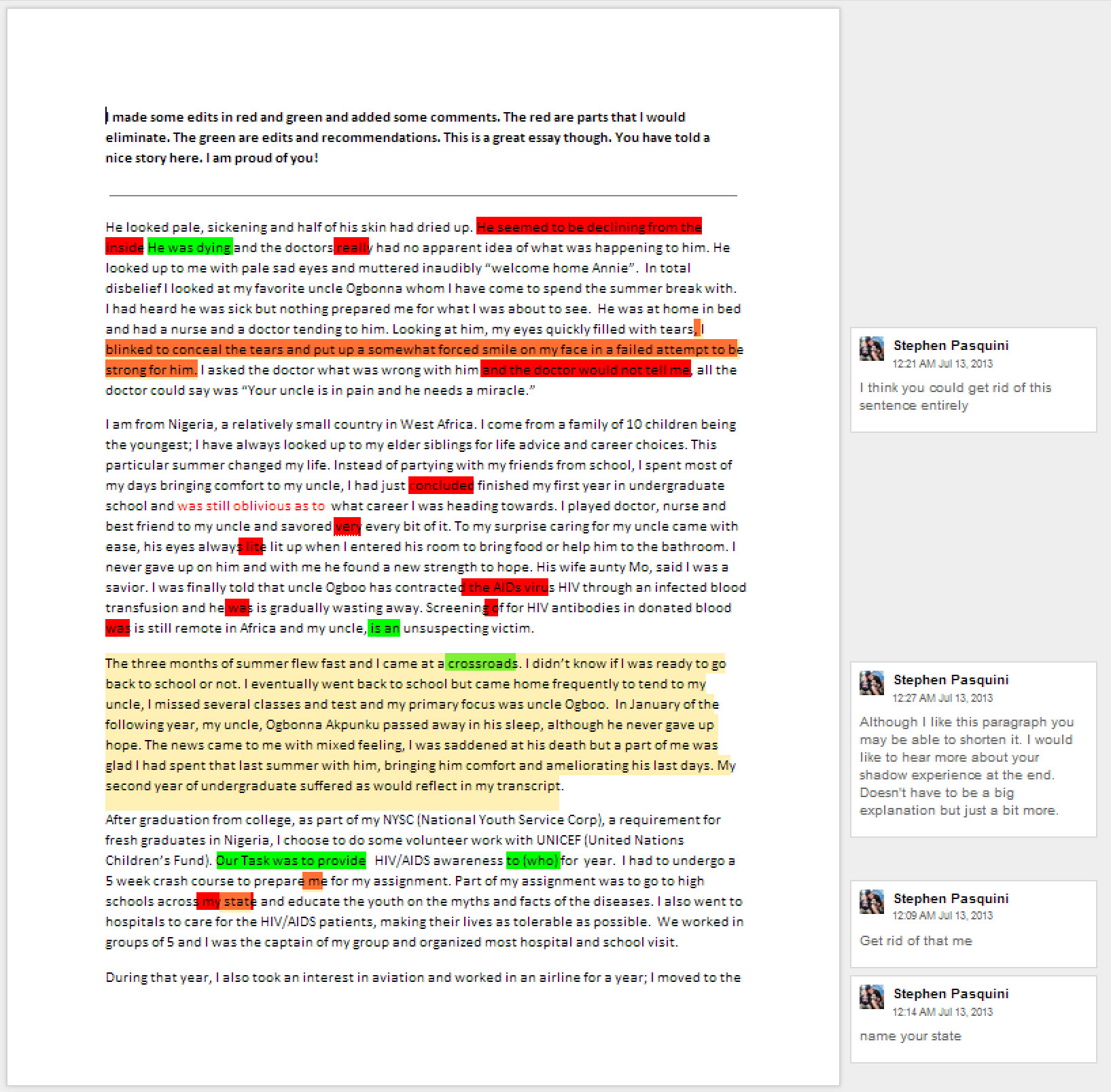 To collaborate, we use Google Drive. Google Drive is free, has an intuitive interface with integrated live comments in the sidebar, the ability to have a real-time chat, to collaborate effortlessly, and to compare, revise, or restore revisions on the fly. Google Drive also has an excellent mobile app that will allow you to make edits on the go!
Our team has worked with hundreds of PA school applicants within the Google Drive environment, and we have had enormous success.
The Physician Assistant Essay and Personal Statement Collaborative
I have set up two options that I hope will offer everyone a chance to participate:
- One-of-a-kind, confidential, paid personal statement review service
- A collaborative, free one (in the comments section)
Private, One-On-One Personal Statement Review Service
If you are interested in the paid service, you may choose your plan below.
The Personal Statement Review Service is:
- Behind closed doors within a private, secure network using Google Drive.
- It is completely interactive, meaning we will be able to provide real-time comments and corrections using the Google Drive interface.
- Telephone consultations are included with all edits above the single edit level. It’s often hard to communicate exactly what you want hundreds of miles away; for this reason, we offer the option to edit right along with us over the telephone while sharing in real-time over Google Drive. This is an option available to all our paid clients who purchase above the single edit level.
- We provide both revision and editing of all essays. What’s the difference? See below
- We will provide feedback, advice, and help with brainstorming and topic creation if you would like.
- We will help with a “final touch-up” before the big day, just in case your essay needs a few minor changes.
Why Choose Our Service?
- It’s not our opinion that matters. We have gone the extra step and personally interviewed PA school administrators from across the US to find out exactly what they think makes a personal statement exceptional.
- We are a team of PAs and professional writers, having worked over ten years with PA school applicants like yourself, providing countless hours of one-on-one editing and revision.
- Our clients receive interviews, and many go on to receive acceptance into their PA School of choice.
Because we always give 100%, we will open the essay collaborative for a limited number of applicants each month and then close this depending on the amount of editing that needs to be done and the time that is available.
Our goal is not quantity but quality. We want only serious applicants who are serious about getting into PA school.
Writing is not a tool like a piece of software but more like how a photograph can capture your mood. It’s more like art. The process of developing a unique, memorable personal statement is time-intensive, and it takes hours to compose, edit, finalize, and personalize an essay.
As Antoinette Bosco once said:
And this is why I am charging for this service. We love helping people find stories that define their lives, and we love helping individuals who have the passion to achieve their dreams. It’s hard to describe the feeling I get when an applicant writes back to tell me they were accepted into PA school.
There is no price tag I can place on this; it’s the feeling we get when we help another human being. It’s just like providing health care. But this takes time.
Interested? Choose your plan below.
Read more client testimonials.
Free Personal Statement Review
Post your essay in the comments section for a free critique
We want to make this opportunity available to everyone who would like help with their essay, and that is why we are offering free, limited feedback on the blog.
You post your essay in the comments section, and you will get our critique. It is that easy. We will try to give feedback to every single person who posts their COMPLETE essay here in the comments section of this blog post.
Also, by posting your comment, we reserve the right to use your essay.
We will provide feedback on essays that are complete and fit the CASPA requirements (View CASPA requirements here). We will not provide feedback on partial essays or review opening or closing statements. Your essay will be on a public platform, which has both its benefits and some obvious drawbacks. The feedback is limited, but we will try to help in any way we can.
Note: Comment Rules: Remember what Fonzie was like? Cool. That’s how we’re gonna be — cool. Critical is fine, but if you’re rude, I will delete your stuff. Otherwise, have fun, and thanks for adding to the conversation! And this should go without saying: if you feel the need to plagiarize someone else’s content, you do not deserve to go to PA school.
* Also, depending on the time of year, it may take me several weeks to reply!
We love working with PA school applicants, but don't just take our word for it!
How to submit your essay for the paid service
If you are serious and would like to have real, focused, and personalized help writing your personal statement, please choose your level of service and submit your payment below.
After you have submitted your payment, you will be redirected to the submissions page, where you can send us your essay as well as any special instructions. We will contact you immediately upon receipt of your payment and essay so we may begin work right away.
Pricing is as follows:
Choose your plan, then click "Buy Now" to submit your essay, and we will get started right away!
Every purchase includes a FREE digital copy of our new 100-page eBook, How to Write Your Physician Assistant Personal Statement, Our 101 PA School Admission Essays e-book, the expert panel audiobook, and companion workbook. This is a $65 value included for free with your purchase.
All credit card payments are processed via PayPal over a secure HTTPS server. Once your payment is processed, you will be immediately redirected back to the essay submission page. There, you will submit your essay along with some biographical info and all suggestions or comments you choose to provide. You will receive immediate confirmation that your essay has been securely transmitted as well as your personal copy of "How to Write Your Physician Assistant Personal Statement." Contact [email protected] if you have any questions, comments, or problems - I am available 24/7.
The hourly service includes your original edit and one-on-one time over Google Drive. It is simple to add more time if necessary, but you may be surprised at what a difference just a single edit can make. We find our four-hour service to be the most effective in terms of time for follow-up and full collaboration. We are open to reduced-rate add-ons to suit your individual needs.
Writing and Revision
All writing benefits from rewriting when done well.
When you are in the process of writing a draft of an essay, you should be thinking first about revision, not editing.
What’s the difference?
Revision refers to the substantial changing of text. For example, it may include re-organizing ideas and paragraphs, providing additional examples or information, and rewriting a conclusion for clarity.
Editing, on the other hand, refers to correcting mistakes in spelling, grammar, and punctuation.
We perform both revision and editing on all submissions.
How to submit your PA school essay for the FREE editing service
Follow the rules above and get to work below in the comments section. I look forward to reading all your essay submissions.
– Stephen Pasquini PA-C
View all posts in this series
- How to Write the Perfect Physician Assistant School Application Essay
- The Physician Assistant Essay and Personal Statement Collaborative
- Do You Recognize These 7 Common Mistakes in Your Personal Statement?
- 7 Essays in 7 Days: PA Personal Statement Workshop: Essay 1, “A PA Changed My Life”
- PA Personal Statement Workshop: Essay 2, “I Want to Move Towards the Forefront of Patient Care”
- PA Personal Statement Workshop: Essay 3, “She Smiled, Said “Gracias!” and Gave me a Big Hug”
- PA Personal Statement Workshop: Essay 4, “I Have Gained so Much Experience by Working With Patients”
- PA Personal Statement Workshop: Essay 5, “Then Reach, my Son, and Lift Your People up With You”
- PA Personal Statement Workshop: Essay 6, “That First Day in Surgery was the First Day of the Rest of my Life”
- PA Personal Statement Workshop: Essay 7, “I Want to Take People From Dying to Living, I Want to Get Them Down From the Cliff.”
- Physician Assistant Personal Statement Workshop: “To say I was an accident-prone child is an understatement”
- 9 Simple Steps to Avoid Silly Spelling and Grammar Goofs in Your PA School Personel Statement
- 5 Tips to Get you Started on Your Personal Essay (and why you should do it now)
- How to Write Your Physician Assistant Personal Statement The Book!
- How to Write “Physician Assistant” The Definitive PA Grammar Guide
- 101 PA School Admissions Essays: The Book!
- 5 Things I’ve Learned Going Into My Fourth Physician Assistant Application Cycle
- 7 Tips for Addressing Shortcomings in Your PA School Personal Statement
- The #1 Mistake PRE-PAs Make on Their Personal Statement
- The Ultimate PA School Personal Statement Starter Kit
- The Ultimate Guide to CASPA Character and Space Limits
- 10 Questions Every PA School Personal Statement Must Answer
- 5 PA School Essays That Got These Pre-PAs Accepted Into PA School
- 7 Questions to Ask Yourself While Writing Your PA School Personal Statement
- 101 PA School Applicants Answer: What’s Your Greatest Strength?
- 12 Secrets to Writing an Irresistible PA School Personal Statement
- 7 Rules You Must Follow While Writing Your PA School Essay
- You Have 625 Words and 2.5 Minutes to Get Into PA School: Use Them Wisely
- What’s Your #1 Personal Statement Struggle?
- 31 (NEW) CASPA PA School Personal Statement Examples
- How to Prepare for Your PA School Interview Day Essay
- Should You Write Physician Associate or Physician Assistant on Your PA School Essay?
- Meet the World’s Sexiest PA School Applicants
- PA School Reapplicants: How to Rewrite Your PA School Essay for Guaranteed Success
- How to Write a Personal Statement Intro that Readers Want to Read
- PA School Reapplicant Personal Statement Checklist
- How to Deal with Bad News in Your Personal Statement
- Inside Out: How to use Pixar’s Rules of Storytelling to Improve your PA Personal Statement
- Ratatouille: A Pixar Recipe for PA School Personal Statement Success
- Personal Statement Panel Review (Replay)
- Mind Mapping: A Tool for Personal Statements, Supplemental Essays, and Interviews
- Start at the End: Advice for your PA School Personal Statement
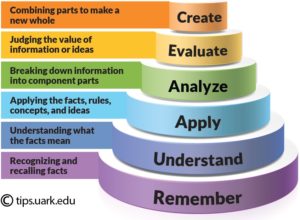
- Elevate Your Personal Statement: Using Bloom’s Taxonomy for Impactful Writing
- How to Write a Captivating Hook for Your PA School Personal Statement
- 3 Surprising Truths About the New CASPA Life Experiences Essay (And Why You Can’t Ignore It)
- 3 PA School Personal Statement Mistakes Our Editor Sees Again and Again
You may also like
 Elevate Your Personal Statement: Using Bloom’s Taxonomy for Impactful WritingThe most common advice writers often give pre-PAs is to "show, don't tell" in your essays. (Though we like to encourage showing …
 Who Gets Into PA School in 2026? Here’s What You Need to KnowLeslie Mean is a 23-year-old single white female who presents to the PA school admissions committee on her second attempt to get …
 Start at the End: Advice for your PA School Personal StatementNot sure what to include in your personal statement? Start at the End! The conclusion should summarize your entire essay. Consider the …


CASPA Personal Statement Help
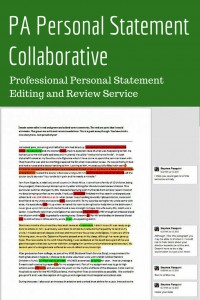 We offer comprehensive, start-to-finish personal statement assistance or help to perfect a draft you already have. We have services to fit every budget.
 Schedule a Live Recorded PA School Video Interview
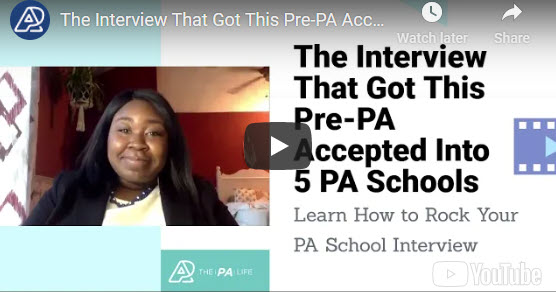
We offer 60-minute mock PA school interviews with post-interview feedback and advice. Includes a recorded video of your interview that you can watch, download, or share with family and friends. There is no better way to prepare!
Schedule an InterviewPre-PA Consulting and Advising
 Our pre-PA coaching service consists of a 1-hour phone consultation focused on addressing your specific questions or concerns about becoming a PA and applying to PA school.


Hello! I am a first time-applicant (for the next cycle) and also a career changer. I do not have a ton of clinical experience/background and have drafted up a personal statement that really means a lot to me. Thank you in advance for your feedback!
It was a warm September afternoon. The hallway was bustling with energy as students and teachers exchanged greetings and highlights of their summers with one another. Just then, I spotted Lily, a familiar face among the new third graders, heading toward the art room. I noticed her usual bright smile and an unusual limp that slowed her pace. The shift in Lily’s behavior only became more evident as we began our reading instruction a week later. Lily often seemed tired and detached during discussions and had difficulty with her pencil grip–something she had never struggled with previously. Concerned, I reached out to Lily’s previous teacher to ask if she had noticed a change in Lily before the last school year had ended. Her response only added to my worry. She had no idea Lily was exhibiting such behaviors. I knew something was wrong and had to keep pressing for answers. After initiating numerous conversations with Lily’s teachers, as well as her mother, it was discovered that Lily had contracted strep throat in late spring and had not completed her course of antibiotics. Persistent advocacy—despite initial dismissive responses from Lily’s mother—pushed for neurological and physical evaluations that proved crucial in identifying the underlying issue. Her diagnosis was rheumatic heart disease caused by untreated strep.
This experience was a turning point for me. It underscored the profound connection between health, behavior, and academic performance—how something seemingly small could have such life-altering consequences. As her teacher, I was able to identify changes in Lily’s behaviors that went unnoticed by many. However, my role was limited in providing her with the medical care she truly needed. It also reinforced the importance of persistence and advocacy in healthcare, qualities I had naturally embodied as a teacher, but longed to apply in a clinical setting. I was yearning for a greater role in patient care and I knew I wanted to become a Physician Assistant (PA)—where I could merge my commitment to education, my passion for medicine, and my drive to make a tangible difference in people’s lives.
As a reading teacher, I work with a wide range of students and colleagues every day. I collaborate with various service providers, from speech pathologists to psychologists, to provide the most meaningful education that best meets the needs of my students. My work goes beyond delivering purposeful instruction–I prioritize understanding the complex needs of my students—whether it is autism spectrum disorder, dyslexia, or another need. Additionally, I strive to be a strong advocate for all of my students to ensure that they have the necessary tools and resources to succeed both in and out of the classroom. Similarly, PAs, as mid-level providers, often act as advocates for their patients as they work alongside physicians. I have seen the significance of advocacy in an academic setting and believe this is just as important in healthcare, where patients often need much guidance to ensure they are receiving quality care. I am eager to bring this same level of support and care as a PA—making sure that my patients are heard and valued.
Moreover, creating an inclusive environment for my students has been central in my teaching philosophy. It starts with something as simple as making sure students’ names are pronounced correctly. This small act acknowledges each and every one of my students’ identities and fosters a sense of belonging in our community. This practice became even more meaningful to me during a pre-operative hospital visit I had three years ago. I sat there, nervously awaiting for someone to clarify the medical jargon I was unfamiliar with. A PA entered the room, greeted me, and immediately asked if they had pronounced my name correctly. This small deed left a lasting impression on me. It taught me how important it is, not just as a teacher, but also as a future PA, to approach all of my patients with respect and warmth. Even with the same diagnosis or treatment, I know that compassionate, personal attention can improve the quality of care and have a lasting impact on my patients’ lives.
While my career in education has been fulfilling, I am now eager to apply my passion and skills I have developed as an educator into a meaningful career as a PA. My experiences as an educator have sharpened my ability to adapt to changing goals, communicate effectively, and collaborate strategically—skills that will undoubtedly translate into indispensable assets as a PA. Shadowing providers has given me valuable insight into the role of a PA, and as a lifelong learner, I value the opportunities for growth and mobility within the profession. Despite the challenges of transitioning careers and balancing teaching and motherhood, I have dedicated myself to becoming a PA with diligence and grit. I am committed to becoming a PA and have dedicated myself to this goal with unwavering determination.
Hi all! Looking to get some feedback for my PS! I am reapplying and have hit some bad writer’s block on how to improve my PS. Here is what I have so far:
Pneumonia turned a great day into a nightmare for me at five years old. After recovering from the flu, I was excited to go to Target with my parents to buy a new Gameboy and the latest Pokemon game. However, my excitement quickly turned into shallow breaths, sharp chest pain, and an extended hospital stay. While I don’t remember all the details, I vividly recall the hospital medical staff who took the time to support and reassure a scared kid and his anxious father. Their kindness inspired my desire to join the healthcare field and become someone who could offer that same comfort and care. This aspiration marked the beginning of my journey toward becoming a physician assistant (PA), though the path was far from straightforward.
During two challenging years of undergrad, marked by poor performance and pressure from my parents to reconsider my dream, I was ready to give up. Despite exploring other careers, I still felt a strong pull toward healthcare. Friends advised me to pursue clinical opportunities to reignite my passion. In my later undergraduate years, I followed their advice, expanding my healthcare knowledge and gaining confidence in clinical roles. Each patient and provider interaction reaffirmed my abilities and love for patient care, ultimately guiding me toward the PA profession.
As a physical therapy aide, I discovered a passion for direct, hands-on patient interaction. One standout experience involved a young girl rehabbing from lumbar pain. Collaborating with her physical therapist, we transformed her routine into interactive games to keep her engaged. Taking the initiative, I actively participated in her exercises to keep her motivated and acted as an educator, guiding her through understanding her exercises and their benefits. This role taught me the creativity and patience required in patient care, highlighting my passion for interaction and education. However, I wanted to broaden my experience beyond rehab, seeking a role more similar to my childhood hospital experience.
Shadowing a PA in pulmonology sparked my interest in the profession. I was impressed by how she facilitated exceptional patient care and advice as an extension of the physician, using her expertise beyond pulmonology. During one case, she delivered a lung tumor diagnosis with clarity and compassion, drawing on her emergency room experience to comfort the patient and taking the time to ensure he grasped his condition in terms he could understand. That encounter exemplified the patient-centered care, effort, and reassurance that inspired me when I was a patient to pursue healthcare. From that moment on, I was completely hooked.
As a medical assistant (MA) working with PAs in various specialties, my desire to become one deepened. One case involved a surgery PA who saw a last-minute patient concerned about swelling at her procedure site. Observing her calm and methodical approach, I assisted in cleaning the area and collecting a sample for pathology. The patient’s anxiety eased, leaving her relieved and confident in her care. During our debrief, the PA explained that us taking the sample was precautionary but also served another purpose: to be the first line of action and give reassurance, a vital part of a PA’s team role when the physician is unavailable. This concept tied my time as a patient to my career aspirations, fully solidifying my decision to become a PA—an accessible and available provider with the ability to apply diverse knowledge and dedicate time to focusing on delivering reassurance to scared patients in any setting.
PA school will be challenging, but my experiences have prepared me and fostered growth. Working as an MA allowed me to develop skills to provide personalized and reassuring care. When triaging patient results, I did additional research to offer clear, understandable interpretations and recommendations. I used my physical therapy knowledge to explain to a patient how building bone health through physical therapy would help her be a better candidate for spinal fusion. In endocrinology, I applied my surgery wound care experience to guide patients through biopsy procedures and aftercare, patiently answering questions to ease their minds. By applying this same thoroughness and diverse concept application to my studies, I saw my grades improve and felt confident tackling upper-level coursework and excelling. Most of all, being a willing and active learner through all my experiences taught me how to adapt and face adversity.
Although pneumonia ruined my night all those years ago, I am thankful because it set the stage for my journey as an aspiring physician assistant. This journey, filled with academic challenges and diverse clinical experiences, has shaped my commitment to patient-centered care. As a future PA, I plan to expand and use my experience and knowledge to continue to grow so that I can become the first line of action for the scared kid and his family, guiding them through their care.
Hi Chris,
Thank you for sharing your personal statement. As a reapplicant, you’ve crafted a thoughtful narrative that effectively connects your childhood experience as a patient to your journey toward becoming a PA. Your essay has several strengths, particularly in how you illustrate your growth and the meaningful clinical experiences that have shaped your understanding of the PA role.
Here are some suggestions to help you break through your writer’s block and strengthen your statement:
Opening:
– Your childhood pneumonia story creates a personal connection to healthcare. However, the focus on the Gameboy and Pokemon game might distract from the more meaningful aspects of this experience.
– Consider streamlining this opening to emphasize how the medical staff’s compassion impacted you, which will better set the stage for your journey.
Body paragraphs:
– Your discussion of academic struggles shows resilience and persistence, which are valuable qualities. Consider condensing this section slightly to make room for expanding on your more recent accomplishments and growth.
– The anecdotes about the young girl with lumbar pain and the pulmonology PA are compelling examples that showcase your understanding of patient care. The pulmonology PA story is particularly strong – it clearly demonstrates what draws you to the profession.
– Your experience as an MA working with PAs in various specialties provides excellent insight into the role. The specific example with the surgery PA effectively illustrates your understanding of a PA’s value as “the first line of action.”
– In the paragraph about your preparation for PA school, you mention multiple specialties and experiences. Consider focusing on fewer examples but developing them more deeply to show your depth of understanding.
Conclusion:
– Your conclusion brings your story full circle, which is effective. However, you could make it more forward-looking by being more specific about your vision as a future PA. What unique contributions do you hope to make to the profession?
Other suggestions:
– As a reapplicant, consider addressing what you’ve done since your last application to strengthen your candidacy. What new insights or experiences have you gained? How have you grown?
– Review for any repetitive points that could be consolidated to create space for new material.
– Look for opportunities to more explicitly connect your experiences to the key qualities and skills needed in a PA (critical thinking, adaptability, communication, teamwork, etc.).
Your essay shows genuine passion for patient care and a clear understanding of the PA role. With some refinement to highlight your growth since your last application and more specifically articulate your vision as a future PA, you’ll have a compelling personal statement that showcases why you’re an even stronger candidate this time around.
Wishing you success in this application cycle!
Best,
Stephen
An 11 month old is brought into our clinic for a fever and a rash. Nothing out of the ordinary, we see viral rashes all the time in the pediatric clinic. But this time was different. This time, the rash was bright red and beefy. And it was spreading, starting on her forehead and inching down her like a cascade of red paint pouring down an 11-month-old’s tiny body. As we gathered details from the parents, the puzzle pieces fell into place. The family had just returned from overseas, and the child hadn’t received any travel-related vaccines before their trip to Asia. I slowly began to realize that this wasn’t routine. My heart pounded. Within moments, we were tearing through storage closets, pulling out PPE, and suiting up from head to toe. What had started as a simple rash had now turned into something far more serious, and I found myself in the middle of it, ready to act.
I have wanted to pursue a career in medicine for as long as I can remember. With a strong foundation in science, math, and problem-solving, I sought a profession that would also allow me to tap into my softer strengths like empathy, active listening, and relationship-building. The physician assistant profession embodies everything I am looking for: a career that aligns with my personal strengths, allows me to spend time connecting with patients, offers versatility in career paths, and provides opportunities to collaborate with various healthcare providers. I knew very early on this was the path I wanted to follow and I have never wavered.
Eager to immerse myself in the medical field, I took every opportunity I could find during my time during university to expand my knowledge and experience. As a part time pharmacy technician, I gained a strong foundation in pharmacology, learning to navigate medication uses and interactions and advocate for patients struggling with insurance barriers. Volunteering in an ICU, I witnessed the immense collaboration required to care for critically ill patients and the vital role of effective communication among healthcare professionals. In my pre-PA and pre-medical organizations, I engaged with professionals from various specialties, gaining valuable insights into the nuances of different healthcare careers. These experiences reinforced my desire to become a PA, as I realized how closely the profession aligned with my strengths and aspirations.
After earning my degree, I transitioned into direct patient care as a medical assistant in pediatrics. In this role, I developed essential clinical skills such as taking vitals, administering vaccines, and assisting in procedures. But more importantly, I honed the ability to connect with patients on a personal level. I celebrated alongside parents as their newborns gained weight and reached developmental milestones. I provided comfort and reassurance to anxious children undergoing their first blood draw.. Through these experiences, I came to understand that successful medicine is not solely about diagnosing and treating. It is about building trust, truly listening to patients, and guiding them toward better health with compassion and understanding. I will carry these lessons into my role as a PA.
One of the most compelling reasons I am drawn to becoming a PA is the invaluable time they dedicate to their patients. Through my experiences, I have seen how PAs are able to use the extra time they have to build strong relationships through meaningful communication, ultimately leading to better patient outcomes. This ability to not just treat, but connect with patients, resonates deeply with me, as I believe the foundation of excellent healthcare lies in trust and communication. Additionally, I am excited by the versatility of the PA role, allowing practitioners to adapt and grow across specialties. At ARC, I have had the opportunity to explore this flexibility, gaining insight into different fields of medicine, and I am eager to expand my knowledge even further as a future PA.
My journey thus far has reinforced my confidence in my decision to become a PA. This career will allow me to integrate my love of science and problem-solving with my passion for patient care. It will provide me with the opportunity to engage in lifelong learning, adapt to the ever-evolving landscape of medicine, and work alongside a collaborative team to deliver the highest quality of care. Most importantly, it will allow me to build lasting, meaningful relationships with my patients, ensuring they receive not just treatment, but understanding and support. I am eager to take the next step in my journey and contribute to the field as a compassionate, dedicated, and knowledgeable physician assistant.
“Please someone help me”. My grandmother’s cry echoed through the cold, sterile walls of the hospital room. At just 18 years old, her pain was dismissed-she was too young they said. Nurses stood by-indifferent to her suffering, as she cried out in agony struggling to bring new life into the world. Alone, terrified, and on the brink of despair she called out to Jesus. “Don’t pray to Him” one nurse snapped. To this day, my grandmother recounts her painful experience with a heaviness that lingers in her voice. What should have been one of th emost joyous moments fo her life was marred by neglect nad cruelty. The lack of empathy she faced in that vulnerable moment-an 18-year-old mother fighting for her life nad the life of her child-seeds my passion of patient advocacy today. No one should be left unheard or dismissed, especially when it matters most.
That memory of my grandmother has stayed with me, shaping my understanding of healthcare disparities and the profound need for compassionate care When I first started working as a medical receptionist in a family medicine practice, I quickly realize that patients weren’t merely calling to schedule appointments – they were reaching out for connection. They wanted someone to listen someone to care. I witnessed firsthand how rushed encounters, with little time for meaningful interaction, often left patience, feeling invisible. From that moment, I knew I wanted to be part of the solution.
As I transitioned into a medical assistant role, my understanding of the healthcare system deep end. I was no longer just on the phone; I was in the room with patients, hearing their stories, feeling their fears, and witnessing their pain. I took vitals, gathered medical histories, and became one of the first points of contact. But I felt alone – something deeper than just taking blood pressure and asking about symptoms. I wanted to diagnose, to prescribe, to truly make a difference in their lives. The limitations of my role as a medical assistant were clear, but they also fueled my drive to become a PA. I want to be the one who would offer more than just a temporary solution – to be the one who could create lasting, meaningful change in my patient’s lives.
The opportunity to educate patients became one of my most rewarding aspects of my work. From explaining lab results to helping patient manage hypertension, or diabetes, I saw information – when commuted effectively – could transform lives. I realize that knowledge is power, and patient education can improve health outcomes. As I worked alongside a DO who specializes in holistic care, my interest in preventative medicine grew. I began to see healthcare as more than just treating illness – it’s about empowering patients to take control of their health before problems arise.
Commitment to prevention led me to a course on food and security during my undergraduate studies, where I was introduced to the profound connection between nutrition and public health. The course open my eyes to the impact that access to healthy food – or the lack there of – has on underserved communities. Motivated by this, I volunteered with an organization that distributes surplus food to low – income individuals. We prepared and delivered nutritious meals to older adults, living in underserved areas as I shared my knowledge of nutrition with them, I felt the same sense of empowerment that I strive to bring to my patient in the clinic. I wanted them to understand how the food they cl could shape their future.
My experience shadowing a PA in rheumatology, further confirmed my passion for the profession. I had the privilege of seeing first hand have PAs make a difference in the lives of their patients. But it was when I shadowed the same PA the following year – this time in urgent care – that I truly understood the breath of the PA roll. The transition from the common methodical world of rheumatology to the fast paced, high energy environment of urgent care was eye-opening. I watched as a PA quickly adapted her approach to care responding to a wide variety of conditions with scale and efficiency. I was also inspired to learn that she had opened her own practice to provide care for uninsured, Spanish-speaking patients. Her entrepreneurial spirit pair with her dedication to underserved communities, solidified my desire to pursue this path.
The young girl who endured such neglect in the delivery room – my mother – grew up to become a physician assistant. As a PA, my mom has become part of the solution to the very problem that haunted my grandmother‘s labor. She now provides the compassionate care and empathy that was so desperately missing in the hospital room. It is this legacy of resilience and healing that drives me to follow in her footsteps. Just as my mother turned her painful pass into a lifelong commitment to helping others, I am inspired to use my own experiences to ensure that every patient feels her and care for. The PA profession represents not only a career path for me, but a way to continue the cycle of healing compassion and advocacy – one that begin with my grandmother suffering and has a potential to change lives for generations to.
Hi Mikayla,
Your personal statement is incredibly compelling, with a powerful family narrative that connects three generations of women through healthcare experiences. The way you’ve shared your grandmother’s experience and tied it to your mother’s career as a PA, and now your own journey, creates a memorable and emotionally resonant story.
Here are some suggestions to strengthen your essay further:
Opening:
– Your opening paragraph about your grandmother’s experience is powerful and gripping. The vivid details effectively convey the pain and dismissal she faced.
– However, there are several typos in this section (e.g., “th emost joyous moments fo her life was marred by neglect nad cruelty”). A careful proofreading is essential to maintain the impact of this story.
Body paragraphs:
– Your progression from medical receptionist to medical assistant shows clear growth in your healthcare journey. This helps establish your commitment to the field.
– The section about patient education and your work with a DO specializing in holistic care effectively demonstrates your approach to healthcare and your values.
– Your volunteer work addressing food insecurity highlights your understanding of social determinants of health, which is excellent. Consider connecting this more explicitly to your future role as a PA.
– The paragraph about shadowing a PA in different specialties is strong, showing your understanding of the versatility of the profession.
Conclusion:
– The revelation that the story came full circle with your mother becoming a PA is powerful. This provides a compelling conclusion to your narrative.
– Consider elaborating slightly on how you specifically plan to carry on this legacy. What unique qualities will you bring to the profession that continue this family story of healing?
Other suggestions:
– A thorough proofreading is essential. There are numerous typos and grammatical errors throughout the essay (e.g., “deep end” instead of “deepened,” “commuted effectively” instead of “communicated effectively”).
– The transition between paragraphs about your work as a medical assistant and patient education is a bit abrupt. Consider adding a stronger transitional sentence to improve flow.
– If space allows, you might briefly mention your academic preparation for PA school to round out your qualifications.
Overall, you have a unique and compelling narrative that effectively communicates your motivation to become a PA. Your personal connection to the profession through your family history makes your essay stand out. With careful editing to address the grammatical issues and a few minor structural adjustments, this will be a very strong personal statement.
I recommend checking out our book “How to Write Your Physician Assistant Personal Statement” (https://amzn.to/3wteSjD) for additional guidance on refining your essay. Our collaborative editing service (https://www.thepalife.com/the-free-physician-assistant-essay-and-personal-statement-collaborative/) is also available if you’d like personalized feedback on your revised draft.
Best of luck with your application!
Stephen
The shy young girl who once feared speaking to strangers would never have imagined her future fueled by a passion for human connection. Yet, growing up with social anxiety taught me to observe others with curiosity and feel their emotions as my own. This inspired my desire to help others, whether by delivering Christmas gifts to ill children or care packages to the unhoused in my community. Admiring my empathetic mother comfort everyone she met and my affable father bring laughter to strangers inspired me to confront my fears and cultivate these qualities within myself.
Today, I am proud of the confident, compassionate person I’ve grown to be and am excited to bring my diverse perspective and passion for human connection into a career as a Physician Assistant (PA).
When I started college, I didn’t have a clear direction, but I was certain in my desire to spend my life embodying altruism. My uncle, an orthopedic surgeon, encouraged me to explore the PA profession because he felt it would align with my abilities and aspirations. As I researched, I was immediately intrigued by the profession’s mission of making affordable, high-quality care accessible, bridging the gap in healthcare. The interdisciplinary team approach and broad scope of knowledge drew me in, as it aligned with my passion for learning and taking a holistic approach to care. I solidified my decision after shadowing a PA in a dermatology clinic. I was impressed by her profound medical knowledge and ability to educate patients in a way which fostered trust and respect, working both autonomously and on a multidisciplinary team depending on the patients needs.
Eager to gain clinical experience, I began volunteering in a nearby non-profit hospital, which provided me invaluable knowledge about inpatient care and the power of human connection. Assisting nurses with taking vitals, feeding, walking, and cleaning patients taught me a basic foundation of patient care, but it was the connections I made with patients that left the deepest impression on me. Acting as a social outlet during their most difficult days helped me realize the profound impact of compassion in medicine. Additionally, I had the opportunity to apply my Spanish skills to foster meaningful conversation with Spanish-speaking patients and deepen my appreciation for culturally competent care.
I then began working as an Emergency Medical Technician (EMT), which has provided me innumerable opportunities to learn, not only about medical conditions and treatments, but also the essential role of teamwork in patient-care. A defining moment of teamwork was when my patient went into sudden cardiac arrest as we arrived at the Emergency Department (ED). Seamlessly, we worked with the ED staff to start CPR, secure an airway, and get the AED to deliver a shock that saved the patient’s life. It was inspiring to see an interconnected web of healthcare providers come together toward a common goal of saving the patient. This moment reinforced how effective teamwork can be the difference between life and death, a lesson I use daily as an EMT, and will continue to uphold as a PA.
Another impactful EMT call was responding to an 11-year-old girl for a suicide attempt. While she suffered little physical harm, her silent demeanor attempted to mask deep emotional distress. Initially she refused to speak, and I recognized her shyness, which reminded me of my own younger self. I made an effort to get to know her as a person before asking anything medical. Soon, she was rambling about her passion for baking and music, then opened up to me about her struggles with low self-esteem and difficult family life. I consoled her in the way my mother taught me, giving her a space to be heard. When we transferred her care, she told me she wanted to become an EMT one day so she can help others the way I helped her. This experience remains a powerful reminder to treat the person, not just the problem. I am committed to carrying this principle over to my career as a PA, where I aspire to advocate for compassion and person-centered care as fundamental aspects of the healthcare system.
Becoming a PA represents the culmination of my passion to make an impact and my determination for personal growth. Balancing a 3.9 GPA, while working as an EMT, volunteering in my community, assisting in research, leading a club to fundraise for a local children’s hospital, and training for marathons has taught me tenacity and adaptability. These experiences have prepared me to excel in a rigorous PA program, while inspiring me to provide holistic and compassionate patient-care. Though my time as an EMT has given me invaluable experience, I am eager to expand my impact with a greater scope of practice and continuity of care with patients. As I pursue this dream, I will carry the memory of the timid child I once was, knowing she would be proud of who I am today, to remind myself to push my limits and strive for growth each day. I am determined to embody the PA I aspire to be: empathetic, knowledgeable, and devoted to making a tangible difference in the lives of my patients.
Hi Kylie,
Your personal statement effectively showcases your journey from a shy child to a compassionate, confident healthcare provider. Your narrative flows well and clearly demonstrates your understanding of and passion for the PA profession.
Here are some suggestions to strengthen your essay further:
Opening:
– Your introduction about overcoming social anxiety and developing empathy is compelling and immediately draws the reader in. The contrast between your shy younger self and confident present self creates an engaging arc.
– Consider tightening the opening slightly to get to your healthcare experiences a bit sooner, while still maintaining the powerful personal context.
Body paragraphs:
– Your exploration of the PA profession shows good research and understanding. The specific qualities that drew you to the role (accessibility, team approach, knowledge breadth) demonstrate thoughtful consideration.
– The paragraph about your hospital volunteering effectively highlights your focus on human connection. Consider adding a brief specific patient interaction to make this section even more impactful.
– Your EMT experiences are the strongest parts of your essay. The cardiac arrest example demonstrates your understanding of teamwork, while the story about the 11-year-old girl powerfully illustrates your empathy and person-centered approach.
– You might consider condensing some of the general statements about what you learned to make room for more specific details in your anecdotes.
Conclusion:
– Your conclusion effectively brings your narrative full circle, connecting your present self to your past and future.
– The list of your accomplishments (3.9 GPA, working, volunteering, etc.) feels slightly disconnected from the flow of your narrative. Consider weaving these achievements more organically into earlier sections or framing them more directly in terms of how they’ve prepared you for PA school.
Other suggestions:
– Your writing is generally clear and engaging. There are a few minor grammatical issues to address, such as “patient’s needs” instead of “patients needs.”
– Make sure each paragraph focuses on a single main idea and flows logically to the next.
– Consider adding a sentence about why you’re specifically applying to this program if this essay is for a school-specific application.
Overall, your essay presents a compelling case for why you would make an excellent PA. Your personal growth, healthcare experiences, and clear passion for patient-centered care create a memorable narrative. With some minor refinements, this will be a very strong personal statement.
I hope these suggestions are helpful as you refine your essay. If you’d like additional guidance, I recommend checking out our book “How to Write Your Physician Assistant Personal Statement” (https://amzn.to/3wteSjD) or our collaborative editing service (https://www.thepalife.com/the-free-physician-assistant-essay-and-personal-statement-collaborative/).
Best wishes on your PA journey!
Stephen
Growing up, I longed to fit in with my peers. My family was different from most of the other students’ families—we spoke Russian at home, relied on free lunch programs and Medicaid, and never participated in sports or extracurricular activities. I often felt as though I was straddling two cultures: one that I desperately longed to be a part of, and one that I didn’t know how to fully explain – or didn’t want to, out of fear of rejection – to my friends. Over time, my journey into adulthood has taught me invaluable lessons in empathy, adaptability, and respect for those who are different.
I first learned about the Physician Assistant (PA) profession roughly 10 years ago during a brief conversation with a coworker in the midst of serving coffee to customers. From that point on, I began to notice PA’s everywhere: applying staples to my scalp after a snowboarding accident, or conducting my dad’s post op visit after a vascular procedure. At the time, the PA profession felt beyond my grasp. My parents had immigrated to America two years before I was born, and my mother had an eighth grade education. I had no plans of going to college, let alone becoming a medical provider where patients would depend on me. After receiving a full-ride scholarship and the opportunity to attend an in-state university, I decided to take steps toward exploring medicine and see if it was the right path for me. Since then, I’ve worked as a medical assistant alongside multiple PAs, whose guidance has only deepened my desire to become one.
Throughout my time working in medical settings, I have felt an alignment of my interests in medicine and a desire to constantly be learning. In my time as a patient care technician in the hospital, not only have I felt rejuvenated and alive even after a 12 hour shift but I have gained the trust of physicians, nurses and medical assistants by consistently providing quality care and demonstrating a strong eagerness to learn from those around me. My time in hospital settings have been defined by providing quality care stemming from my strong eagerness to learn and a passion for the vulnerable and less fortunate.
I feel capable in my ability to complete PA school because of the skills I’ve had to refine throughout my life. Since high school, I’ve balanced jobs with classes, learning to prioritize and manage my time effectively. During my undergraduate studies, I worked full-time as a medical assistant while taking a full course load, volunteering, and participating in weekly church services. This heavy workload has made me skilled at evaluating my abilities and shifting priorities to ensure everything is accomplished. After the COVID-19 pandemic, I took a break from medicine to explore other career paths, but after 2 years, I have felt a pull back to patient care. During my time away, I was able to refine my critical thinking skills, attention to detail, and a strong ability to collaborate with others.
If I’m fortunate enough to become a PA, I hope to work in family medicine, with the possibility of specializing in pediatrics. I am deeply motivated to use my medical knowledge on medical missions, both within the state of Alaska and in underserved communities abroad. Hearing my parents’ childhood stories of living without access to medical care in the Soviet Union has instilled in me a desire to change that for others who find themselves in similar situations. PAs play a vital role in expanding healthcare access and bridging gaps in underserved and rural communities. I can’t help but think about how my grandma’s life in the Soviet Union could have been different if she had been seen for a treatable optic tumor. Instead, because of a lack of medical providers in her rural village, she became blind at just 35 years old with 8 children to take care of .
Since my last application cycle, I’ve made significant efforts to achieve my goal of becoming a PA. I have become a parent to two daughters while working full-time, which has taught me how to handle stress and maintain productivity. I also retook five science courses to refresh my foundational knowledge in preparation for PA school and confirm my joy in learning the academic side of medicine. Additionally, I volunteered as a tutor for low-income students in the DC area, worked with local foster children, shadowed PAs in clinical settings, and worked as a patient care technician, floating between different hospital units to broaden my medical experience.
I’ve come a long way since being the fearful girl who didn’t feel like she fit in. I’ve learned to appreciate the beauty of my upbringing and the sacrifices my parents made. I now see my unique experiences—as a first-generation American, someone raised in poverty, and someone who lived in a medically underserved area—as strengths. These experiences have given me a respect for the PA profession. It represents not only an alignment with my core values but also a chance to make a meaningful difference in the lives of others.
Hi Dana,
Your personal statement is a powerful and authentic narrative that effectively weaves together your personal background, professional experiences, and motivation for becoming a PA. Your journey as a first-generation American from a humble background provides a compelling foundation for your essay.
Here are some suggestions to strengthen your essay further:
Opening:
– Your introduction about growing up between two cultures creates a strong foundation for your narrative. It immediately establishes your unique perspective and the empathy you’ve developed through this experience.
– The transition to learning about the PA profession feels somewhat abrupt. Consider adding a brief sentence that bridges your personal background to your interest in healthcare.
Body paragraphs:
– Your story of discovering the PA profession through everyday encounters is relatable and honest. The acknowledgment that it once felt “beyond your grasp” adds authenticity to your journey.
– The paragraph about your work as a patient care technician is quite general. Consider replacing some of the broad statements with a specific patient interaction or clinical experience that illustrates your “eagerness to learn” and “passion for the vulnerable.”
– You mention taking a break from medicine after COVID-19 and feeling “pulled back.” This is an interesting point that could be expanded upon – what specifically drew you back to patient care?
– The mention of your grandmother’s experience with limited healthcare access in the Soviet Union is powerful. Consider moving this earlier in your essay and developing it more fully as it provides a compelling personal connection to your desire to improve healthcare access.
Conclusion:
– Your concluding paragraph effectively ties together your personal journey from feeling like you didn’t fit in to appreciating your unique background. This full-circle narrative works well.
– Consider ending with a more forward-looking statement about your vision as a future PA and the specific impact you hope to have.
Other suggestions:
– There are a few sections that could be more tightly written. For example, the paragraph about balancing multiple responsibilities contains some repetitive information.
– You mention being a reapplicant, which is good to address. However, make sure the improvements you’ve made since your last application (retaking courses, volunteering, expanding clinical experience) are highlighted throughout the essay rather than just listed in one paragraph.
– Consider incorporating more of your personal qualities and strengths that emerged from your unique background and how they will make you an effective PA.
Overall, your essay presents a compelling and authentic narrative of your journey toward the PA profession. Your unique background and experiences provide a strong foundation for your interest in healthcare, particularly in serving underserved populations. With some refinements to highlight specific examples and create a more cohesive flow, this will be a very strong personal statement.
I hope these suggestions are helpful as you refine your essay. If you’d like additional guidance, I recommend checking out our book “How to Write Your Physician Assistant Personal Statement” (https://amzn.to/3wteSjD) or our collaborative editing service (https://www.thepalife.com/the-free-physician-assistant-essay-and-personal-statement-collaborative/).
Best wishes on your PA journey!
Stephen
I was first introduced to the physician assistant profession in high school, in a club for students interested in the health professions called, HOSA. I spent most of my time in high school engaging with this club through leadership, volunteer work, and thinking about where I might fit into the medical field. The physician assistant role always interested me, but as I thought about my future, I did not believe that students from my background could become PAs. When I decided that I wanted to go to college, it was a big deal. Being a first-generation student, I was riddled with anxiety and imposter syndrome, but I went anyway and began a bachelor’s degree in nutrition science. I was initially drawn to studying nutrition because I saw it as an important, but often overlooked, health variable. I was on track to becoming a dietitian because I wanted to help people improve their quality of life through proper nutrition education and accessibility.
During undergrad, I worked with a non-profit to increase food access to low-income seniors in my community by connecting them with food benefits and local resources. I frequently noticed how many of the food resources I had to offer didn’t accommodate the dietary restrictions caused by these individuals’ chronic conditions. During this time, I also worked closely with student-athletes to provide nutrition education sessions and services. I loved the opportunity to improve students’ health by increasing knowledge of nutrition, but again noticed how unique the needs of each student were. Both of these experiences, along with many others, led me to begin to understand that an individual’s health is a culmination of a wide variety of factors. I discovered that I would simply not be satisfied in a career where I could not address the multitude of factors that contribute to an individual’s health status.
As I was growing more wary of my journey to become a dietitian, I decided to shadow a family medicine PA. Seeing this PA in action immediately confirmed the spark that had been growing inside of me for many years prior. She exemplified everything that I want to be in a practitioner, she spoke compassionately to her patients, took the time to individualize her care to each patient’s needs, and incorporated an emphasis on nutrition, mental health, and other fundamentals of well-being, in a way that I had never seen a health care provider do before. Watching this PA interact with her patients, I saw a reflection of myself 20 years in the future. I left her clinic feeling inspired and saw a profession in which I could serve others in a holistic and unique way. As I progressed through undergrad and young adulthood, my confidence grew, and my sense of imposter syndrome lessened year after year. Through all of this, my desire to become a PA was growing. I was finally ready to admit that this was not only the path that I wanted to pursue, but that I could actually make it happen.
While in college, I committed myself to shadowing PAs in various settings. One shadowing experience that stands out took place at a rural clinic near my hometown. A farmer had delayed treatment for a broken thumb, and the PA, instead of scolding him, focused on finding a treatment solution that would avoid surgery, and help the farmer get back to work the next day. This was a standout example of the importance of adaptability in patient care and represents the type of PA that I aim to become.
After I completed my undergrad, I moved to San Antonio, Texas, and I began working as a medical assistant. Here in addition to gaining clinical skills, I expanded my strengths of cultural competence, adaptability, and a deep commitment to patient care. One key moment where these strengths were exemplified was when a patient from rural Texas arrived at our clinic for an ultrasound. Upon her arrival, she indicated that she did speak some English. I brought the patient into the room to perform her ultrasound and I began describing what I would be doing and giving her instructions. I noticed that she seemed confused and uncomfortable with our interaction. I decided to arrange for my Spanish-speaking coworker to take over, and complete this patient’s exam. It was important in this situation to prioritize the patient’s comfort by ensuring she had a medical assistant who spoke her preferred language. This experience highlighted the importance of cultural competence and working with diverse teams to provide the best patient care.
For me, a career as a physician assistant is an opportunity to practice team-based, individualized patient care to holistically improve health and well-being. I am excited to bring my strengths of cultural competence, adaptability, and compassion to this field, and know that I will gain a fulfilling career in return.
Hi Dylan,
Your personal statement effectively communicates your journey from a first-generation college student to an aspiring PA, highlighting your diverse experiences and evolving understanding of healthcare. Your narrative shows thoughtful reflection on what drew you to the PA profession and demonstrates your commitment to holistic, patient-centered care.
Here are some suggestions to strengthen your essay further:
Opening:
– Your introduction about discovering the PA profession through HOSA provides good context, but consider making it more engaging by starting with a specific moment or interaction that sparked your interest rather than a general statement.
– The mention of your first-generation student status and initial doubts creates an authentic and relatable foundation for your journey.
Body paragraphs:
– Your experience working with low-income seniors and student-athletes demonstrates your commitment to nutrition and understanding of its role in holistic healthcare. This background effectively supports your transition from dietetics to pursuing a PA career.
– The shadowing experiences, particularly with the family medicine PA and the rural PA treating the farmer, are strong examples that illustrate what attracts you to the profession. Consider expanding slightly on the family medicine PA experience with a specific patient interaction you observed.
– Your work as a medical assistant and the example of recognizing language barriers shows cultural sensitivity and patient-centered thinking. This anecdote could be enhanced by briefly mentioning what you learned from this experience and how it will inform your approach as a PA.
Conclusion:
– Your conclusion concisely states your motivation for becoming a PA, but it feels somewhat abrupt. Consider expanding this section to tie together the key themes of your essay and provide a more forward-looking perspective on your goals as a future PA.
– This is an opportunity to bring your story full circle, perhaps by connecting back to your journey as a first-generation student and how far you’ve come.
Other suggestions:
– Your essay would benefit from more specific examples throughout. For instance, when you mention “many others” after discussing your work experiences, consider replacing this with a brief specific example.
– Look for opportunities to demonstrate qualities that are important for PAs, such as problem-solving skills, ability to work under pressure, and clinical reasoning.
– The essay would be strengthened by addressing your academic preparation for PA school, especially if you’ve taken steps to enhance your science background beyond your nutrition degree.
Overall, your personal statement presents a clear and authentic picture of your path to the PA profession. With some refinement to make your examples more vivid and your conclusion more impactful, you’ll have a strong essay that effectively communicates your journey, values, and vision for your future as a PA.
I hope these suggestions help as you refine your essay. For additional guidance, I recommend checking out our book “How to Write Your Physician Assistant Personal Statement” (https://amzn.to/3wteSjD) or our collaborative editing service (https://www.thepalife.com/the-free-physician-assistant-essay-and-personal-statement-collaborative/).
Best wishes on your PA journey!
Stephen
I was two months shy of my 18th birthday, just home from overnight camp. My fingers had been aching over the summer and my mother’s time tested remedies – heat, ice, sleep, take a break from your cookie decorating business – were not working. We made a vague note to check in with my pediatrician. Two weeks later, I was unable to walk, intense pain radiating from my knee.
Pediatrician. Labs. Pain and more pain. A diagnosis – it was RA, Rheumatoid Arthritis. A referral. More labs. And finally – relief. I received my initial care at Scottish Rite Hospital for Children, which has a top notch RA clinic. The lead medical professional was a PA – she taught me how to understand and manage this chronic disease and held my hand as we fought to get approved for biologic immunosuppressant Enbrel. Over the course of that first year, my weekly Enbrel shots became routine; the pain relegated to minor flare ups; and my interest in a medical career firmly established.
My PA at Scottish Rite was confident, competent, kind and reassuring; her example was inspiring. As I narrowed my career path as an undergraduate, I knew that I had the qualities to be a PA and provide that same calm, knowledgeable, respectful and patient-focused medical care to people in pain. I immersed myself in medical volunteerism, shadowing my own pediatrician and the medical staff at Scottish Rite and volunteering as a nurse assistant in camp.
During my volunteer medical experiences, I once again observed and experienced the relief that medical professionals can provide for people in pain. I recall a new mom collapsing in tears while bringing her newborn that had physical impairments in for a checkup – and the steady support and guidance that gave her new hope and inspired confidence. I saw parents who could not speak English handing over their daughter to the orthopedic surgery team at Scottish Rite – and the thoughtful communication, care and smiles that gave the parents some relief. As a volunteer nurse assistant at the camp clinic, I learned to hustle, completing intake for 30 plus patients, admitting five others, and taking vitals for 10 inpatient campers – all in the one hour morning rush. During after-hours at the clinic, when the nursing staff was limited, I managed triage decisions, making the often-times nerve-wracking decision of which patients coming in needed to be seen that minute, and who could wait until open clinic hours.
Early one afternoon, a young girl was rushed into the facility unconscious. She had been a staffer in the hot and stuffy kitchen and had gotten dehydrated. I quickly opened the doors to an exam room and called for medical staff. I watched the medical team assist her and was again reminded of the power of compassionate care. Looking back, I’m proud that my instincts kicked in and I had the ability to assist in a moment of great need.
John Keats, the poet, opined that “Nothing ever becomes real till it is experienced”. Although RA is a chronic disease that I will have to manage my entire life, I have the benefit of experiencing, in a very real way, the impact of an excellent PA on my life. I am gratified and excited to be on the cusp of the next step in my journey, and to become that PA helping others in pain.
Over the years, I have come to recognize myself as someone with large amounts of compassion, and a natural bent for developing connections with others in a real and meaningful way. I’ve learned that I have a love for continuous learning and problem solving. I enjoy taking initiative on a project, yet I also appreciate collaborating and working as a team. Having had lots of exposure to all-star medical professionals, I strongly believe that these strengths of mine will allow me to excel as a PA.
Becoming a PA will not only fulfill my dreams but will also allow me to bring my medical journey full circle and pay it forward.
Hi Malka,
Your personal statement effectively weaves together your personal experience with rheumatoid arthritis and your journey toward becoming a PA. Your firsthand understanding of chronic pain and the impact of compassionate healthcare creates a compelling narrative.
Here are some suggestions to strengthen your essay further:
Opening:
– Your opening paragraph effectively draws the reader in with the story of your initial symptoms. The progression from vague discomfort to intense pain creates a sense of urgency that engages the reader.
– Consider adding a brief transition sentence at the end of this paragraph to hint at how this experience shaped your future path.
Body paragraphs:
– Your experience at Scottish Rite and the impact of the PA who treated you is powerful. This personal connection to the profession provides authentic motivation for your career choice.
– The volunteering experiences you describe demonstrate your preparation for a PA career. The specific examples, particularly the dehydrated girl in the camp clinic, effectively illustrate your quick thinking and compassion in action.
– Consider elaborating slightly on how you’ve managed your RA while pursuing your education and healthcare experiences. This could further demonstrate your resilience and determination.
– The paragraph about your personal qualities (compassion, connection-building, etc.) feels somewhat general compared to the rest of your essay. Consider integrating these qualities more organically throughout your narrative, showing rather than telling how you embody these traits.
Conclusion:
– Your final sentence about bringing your journey “full circle” provides a nice bookend to your narrative. However, consider expanding this conclusion slightly to include a forward-looking statement about your vision as a future PA.
– How specifically do you hope to impact patients’ lives? What unique perspective will you bring to the profession based on your experiences?
Other suggestions:
– Your writing is clear and engaging overall. There are a few places where you could vary your sentence structure to improve flow.
– Consider adding a brief mention of your academic preparation for PA school to round out your qualifications.
– If space allows, you might briefly address why you’ve chosen the PA path specifically over other healthcare roles, although your connection to the PA who treated you provides strong implicit reasoning.
Overall, you’ve crafted a compelling personal statement that effectively communicates your motivation, experience, and qualities that make you well-suited for a PA career. Your personal connection to the profession through your own health journey makes your essay stand out.
I recommend checking out our book “How to Write Your Physician Assistant Personal Statement” (https://amzn.to/3wteSjD) for additional guidance as you refine your essay. Our collaborative editing service (https://www.thepalife.com/the-free-physician-assistant-essay-and-personal-statement-collaborative/) is also available if you’d like personalized feedback on your revised draft.
Best wishes on your PA journey!
Stephen
My journey toward becoming a Physician Assistant (PA) has been profoundly shaped by my experiences as a member of the LGBTQIA+ community and my commitment to diversity and inclusion. These aspects of my identity have not only influenced my personal growth but have also equipped me with a unique perspective that I believe will enrich my practice as a PA.
Growing up queer in a conservative community, I faced challenges in navigating my identity while also benefiting from standing up for neglected individuals. These experiences taught me invaluable lessons in empathy, resilience, and communication—qualities that I believe are essential for a compassionate and competent PA. I learned that understanding diverse viewpoints not only fosters trust but also bridges gaps in care, creating a more inclusive environment for patients.
My involvement in the St. George healthcare community has been instrumental in shaping my passion for patient care. As a volunteer at a local clinic, I worked closely with underserved populations, providing assistance with basic health screenings and patient education. This experience allowed me to witness the challenges that many face in accessing quality healthcare, especially within rural and marginalized communities. It strengthened my desire to become a PA, offering both medical expertise and a compassionate, understanding approach to every patient. It became clear to me that effective healthcare requires not just clinical knowledge, but also cultural competence, commitment, and sensitivity.
My clinical experiences have further solidified my dedication to inclusive care. While volunteering at a community health clinic in the Dominican Republic, I worked with patients from various backgrounds, including LGBTQIA+ individuals and those from underserved populations. Witnessing the impact of culturally competent, empathetic care on patient outcomes was transformative. It reinforced my belief that every patient deserves personalized, respectful care and that PAs must be adept at understanding and addressing the diverse needs of their patients.
In addition to my advocacy and volunteer work, my academic and clinical experiences have sharpened my critical thinking and problem-solving skills. My coursework and rotations have provided me with a strong foundation in medical knowledge and patient care, while my commitment to diversity has enriched my ability to connect with individuals from all walks of life. I am eager to leverage this combination of skills and experiences in my future role as a PA.
As I pursue this career, I am committed to advocating for and providing compassionate care to all patients, regardless of their background or identity. My experiences have equipped me with the cultural competency and empathy necessary to address health disparities and promote a more inclusive healthcare environment. I am excited about the opportunity to bring my unique perspective to your PA program and to further develop my ability to serve diverse and underserved populations effectively.
Thank you for considering my application. I look forward to the opportunity to contribute to and grow within your esteemed program.
Hi Hannah,
Thank you for sharing your personal statement. Your essay highlights your commitment to diversity and inclusion, particularly through the lens of your experiences as a member of the LGBTQIA+ community. This perspective is valuable and relevant to healthcare, where cultural competence and empathy are essential.
Here are some suggestions to strengthen your essay further:
Opening:
– Your opening paragraph clearly states your motivation for becoming a PA. However, consider starting with a specific anecdote or experience that illustrates your journey rather than stating it directly. Show the reader your passion through a vivid example.
– The connection between your identity and your desire to become a PA could be made more explicit. What specific aspects of the PA profession align with your values and experiences?
Body paragraphs:
– While you mention growing up queer in a conservative community, this section would benefit from more specific details. What challenges did you face? How did these experiences specifically shape your approach to healthcare?
– Your volunteer work at the local clinic and in the Dominican Republic are excellent experiences to highlight. Consider focusing on one specific patient interaction that exemplifies your approach to care and the lessons you learned.
– The paragraph about your academic and clinical experiences is quite general. Add specific examples of coursework, skills gained, or patient interactions that demonstrate your preparation for PA school.
Conclusion:
– Your conclusion effectively summarizes your goals and motivations. To make it stronger, consider adding a forward-looking statement about the specific impact you hope to have as a PA or the particular healthcare needs you hope to address.
Other suggestions:
– Throughout the essay, focus on showing rather than telling. Instead of stating that you have empathy and cultural competence, provide examples that demonstrate these qualities.
– If applicable, include more details about your direct patient care experience. Admissions committees look for evidence of hands-on healthcare experience.
– Consider discussing why you’ve chosen the PA route specifically versus other healthcare professions. What about the PA model aligns with your goals and values?
Your commitment to diversity and inclusion comes through clearly in your essay, and your background gives you a valuable perspective that would benefit the PA profession. By adding more specific details and examples, you’ll create a more vivid and compelling narrative of your journey.
I hope these suggestions are helpful as you refine your essay. If you’d like additional guidance, I recommend checking out our book “How to Write Your Physician Assistant Personal Statement” (https://amzn.to/3wteSjD) or our collaborative editing service (https://www.thepalife.com/the-free-physician-assistant-essay-and-personal-statement-collaborative/).
Best wishes on your PA journey!
Stephen
Dare to Dream Big by Lorna Gutierrez (2020) was the first English book I read to my little niece with a heavy accent when I first moved to the United States. Because of my limited English and difficult family circumstances, I became self-conscious and did not dare to dream of going back to school to pursue my passion for medicine. That was me five years ago.
In the summer of 2019, I left my nursing dreams back with my homeland to start a new life in the United States with my family, bringing with us nothing but empty hands and a lot of debt. Thanks to the help of relatives, my family secured stable jobs. Although our income was not much, we managed day-by-day and paid off debt. After my first year in the US, things finally began to settle down. In this moment of relief I dared to dream big for the first time in a long time. I decided to continue my education despite the language barrier and financial challenges awaiting me. I enrolled at a local community college to pursue nursing while working part-time at a restaurant with my parents. As the youngest child in my family, I was proud to be the first generation to attend college in the United States.
During my sophomore year, I gained my first hands-on experience with patients as a student nurse extern at a local hospital, where I had the opportunity to work one-on-one with patients in various departments, from the ER to the ICU. This experience taught me the value and importance of connecting with patients. I have had many conversations with many different patients. Each patient has a unique story, and I found my purpose in helping them feel comfortable, open and welcome.
The thought of changing careers didn’t hit me until I was assigned to work with a patient who had attempted suicide by overdose. While helping him to the bathroom, he suddenly collapsed on me, his face turning blue. I quickly laid him on the floor and called for help, noticing that his pulse was weakening. I immediately started CPR. The medical team arrived and I witnessed, for the first time, a doctor intubating the patient and leading the team in saving his life. At that moment, I asked myself, “Do I dare to dream bigger?” I wondered if I could become a provider who not only cared for patients but also saved their lives at critical times. The answer was yes – I wanted to dream big again.
After my sophomore year, my life took another turn when my father became seriously ill. He began losing weight rapidly and experienced persistent fevers. I remember taking him to the ER multiple times a week for his swollen legs and distended abdomen. Eventually, he was diagnosed with leukemia. My world turned upside down, and all I could do was pray for more time with him. Miraculously, three days later, we received a call from his PCP telling us it wasn’t cancer. He was diagnosed with endocarditis, which led to multiple organ failure. At the age of 21, I really feel grateful to be there and help my dad. I learned how to administer antibiotics through his PICC line, monitor his condition, and ensure he was stable at home. After months of treatment, my father was slowly doing better, though he needed a mitral valve replacement. At this moment, I knew that I could dream big again. My interest in becoming a physician assistant (PA) solidified when we met with a cardiology PA at Kaiser Permanente in Santa Clara before my father’s surgery. The way he explained the procedure and reassured us about the surgery made me realize that this was the role I wanted to pursue. I wanted to provide the same level of care, education, and comfort to others in need.
To expand my medical knowledge, I took on a second role as an ER scribe, where I had the opportunity to collaborate with multiple doctors and build connections with physicians and PAs in the emergency department. Over two years of working as an ER scribe while finishing my undergraduate degree, I gained invaluable insights and experiences. One of the most profound moments that I witnessed was a physician working with a critical patient experiencing respiratory distress. Despite the team’s best efforts, the patient did not survive. I observed the physician as he delivered the heartbreaking news to the patient’s family with great composure and empathy. What struck me most was how he then welcomed the next patient with a calm and reassuring demeanor, as if nothing had happened. This experience taught me the emotional resilience required in healthcare—the ability to process and compartmentalize intense emotions without letting them interfere with the care of the next patient. It reinforced the importance of not taking anything personally and the need to move forward in the face of difficult situations, a lesson I carry with me as I pursue my path to becoming a PA.
During this time, I also had the chance to shadow a PA who worked in both the ER and internal medicine. One day, I observed her as she calmly intubated a patient under the guidance of a physician, successfully saving the patient’s life. The next day, she allowed me to shadow her as she practiced internal medicine. Watching her explain lab results to a patient with such dedication and clarity made me realize how deeply I wanted to follow in her footsteps. I was impressed by the flexibility of the PA role, the ability to practice in multiple specialties, and the meaningful connections PAs forge with their patients—from kind conversations to life-saving procedures. This is why I chose to become a PA.
Looking back over the past five years, from struggling with language barriers and financial challenges, to facing my father’s illness, to finishing my bachelor’s degree and applying for PA school, I realize that my journey has been shaped by resilience, determination, and the courage to dream big. My background may be different, and my path may have been humble, but these experiences have only strengthened my resolve to pursue my dreams. Every day, I wake up ready to face new challenges, knowing that each one is an opportunity to learn and grow. As Lorna Gutierrez wrote, “Dare to be who you truly are, a light in the dark, be you…” I am ready to embrace this calling, to shine my light in the lives of my future patients, and to continue daring to dream big as I work toward becoming a PA.
Hi Thi,
Your personal statement is a powerful narrative that weaves together your immigrant experience, family challenges, and evolving healthcare journey. Your resilience and determination shine through clearly, and your essay effectively shows how your personal struggles have shaped your path to becoming a PA.
Here are some suggestions to strengthen your essay further:
Opening:
– The opening with the children’s book “Dare to Dream Big” is compelling and creates a strong thematic thread throughout your essay. It immediately establishes your journey as an immigrant and the challenges you faced.
– Consider making the connection between reading this book to your niece and your own dreams slightly more explicit in the opening paragraph.
Body paragraphs:
– Your descriptions of working as a student nurse extern and later as an ER scribe provide valuable clinical context. The anecdote about the suicide attempt patient is particularly impactful.
– The section about your father’s illness is moving and demonstrates your personal connection to healthcare. This experience clearly shaped your understanding of patient care from both sides.
– Your observation of the PA who worked in both ER and internal medicine effectively illustrates your understanding of the profession’s versatility and appeal.
– Consider condensing some of the general background information about moving to the US and financial challenges to allow more room for your specific healthcare experiences and insights.
– The transition from nursing to pursuing a PA career could be explained more explicitly. What specific aspects of each profession led you to change your path?
Conclusion:
– Your conclusion brings your narrative full circle with the “Dare to Dream Big” theme, which is effective.
– To make it even stronger, consider adding a brief statement about your vision for your future as a PA. How do you hope to apply the lessons you’ve learned through your journey?
Other suggestions:
– Your writing is generally clear, though there are a few spots where the phrasing could be more concise. For example, “I had the opportunity to work one-on-one with patients” could be shortened to “I worked one-on-one with patients.”
– Look for opportunities to show rather than tell. For instance, instead of stating “This experience taught me the value and importance of connecting with patients,” share a brief example that illustrates this lesson.
– Be consistent with your tenses throughout the essay.
Overall, your essay tells a compelling story of perseverance and growth. Your experiences as an immigrant, a caregiver for your father, and a healthcare worker provide a unique perspective that will enrich your practice as a PA. With some refinement to highlight your most powerful experiences and insights, you’ll have a very strong personal statement.
I recommend checking out our book “How to Write Your Physician Assistant Personal Statement” (https://amzn.to/3wteSjD) for additional guidance on refining your essay. Our collaborative editing service (https://www.thepalife.com/the-free-physician-assistant-essay-and-personal-statement-collaborative/) is also available if you’d like personalized feedback on your revised draft.
Wishing you the best on your PA journey!
Stephen
Personal Statement – this is a very rough draft that follows an outline I created. I would appreciate any feedback you can provide at this time. Thank you very much!
“What day is it? What are we celebrating today?” my grandmother asked.
“It’s my birthday, Grandma, I’m eighteen today.”
She stared at me with a confused look on her face. “Remind me again how I know you?”
My mind went blank — I never imagined my grandmother would forget me. In just three months, she went from misplacing keys to not recognizing her own family. As a young girl, she always pushed me to pursue my interests and was the only member of my family who worked in healthcare. Later that summer, when my grandmother passed away, I was devastated. However, her words of encouragement pushed me onwards toward my dream of becoming a medical provider and enrolling in my first science class in college.
In my first semester of university, I decided to take an anatomy and physiology course. It ended up being my favorite class the entire semester and I looked forward to learning more during each lecture. To this day, I still do not know why I chose that class first – it was definitely not what my academic advisor recommended for me. But, I am extremely grateful that I did. It introduced me to my thirst for scientific knowledge and eventually led me to become a teaching assistant for one of my mentor professors in a human physiology course. After pursuing healthcare classes my first year, I began to notice my desire to work with patients in a medical setting.
I began working as a medical assistant to explore different medical careers at the end of my freshman year. Over the next three years, I shadowed nurses, doctors, and specialty therapists, searching for the right fit. It wasn’t until I shadowed Colette Clayton, a PA-C specializing in emergency medicine, that I finally felt like I belonged in a profession. Colette showed me how to interact with diverse patient populations, communicate effectively as part of a large care team, and build meaningful bonds with patients. Shadowing her was the experience that showed me that Physician Assistant school was my next step.
As a medical assistant, I never backed down from a challenge and always did my best to rise to the occasion when it came to helping my patients. One of my most memorable interactions was with Mable, a deaf patient at the Pulmonary and Critical Care clinic I worked at. Mable never brought a translator to her appointments and often relied on reading lips to understand her physician. Mable reminded me of my grandmother, who spoke broken English, and regularly struggled to understand her care. I knew I wanted to do something to help her understand her treatment better. With her physician’s help, I created infographics for Mable and looked into finding a sign language interpreter. Fortunately, I was able to connect with a local sign language interpreter who worked with Mable’s physician. The smile on Mable’s face when she met the interpreter for the first time is forever embedded in my memory. When I reflect on this experience, it reminds me of why I want a greater role in patient care and why I aim to keep my work patient centric.
Over the last several years I have been a teaching assistant for Human Physiology, a medical assistant with countless patient experiences, and a student, who still cannot learn enough about science, medicine, and people. Each experience has given me the tools to succeed in PA school and it has shown me that I possess determination, strength, and grit. PA school will be challenging but I know I will be able to overcome challenges and any setbacks to become an exceptional physician assistant. Not only is this shown in my academic career, but also in my professional one, as I have received many honors, recognitions, and awards for patient excellence and service.
Once graduated from PA school, I plan to work in a primary care field and eventually pursue locum tenens so I can reach areas that do not receive regular medical care. Further on in my career as a Physician Assistant, I’d like to teach PA students at a local university. One of my favorite aspects of being a teaching assistant was helping students achieve their “Aha!” moments, so I really look forward to being a preceptor for students once I graduate.
My grandmother’s words of encouragement resonate with me as I move forward in life. Innumerable moments with patients like Mable remind me why I chose to work in healthcare and why I want to step into a greater role. As I continue to work alongside Physician Assistants in the medical field, I grow more impressed at the versatility of their knowledge, the scope of their skills, and the intentionality behind every patient visit. I am confident not only that I want to become a PA, but also that I can bring my compassion, enthusiasm, and accountability to the profession and to my patients. I cherish the impact that I have had on my patients and know that with the training provided by PA school, I will begin to build relationships with patients for generations to come.
Hi Allie,
Thank you for sharing your personal statement draft. Your narrative provides a solid foundation, with meaningful personal experiences and clear motivation for pursuing a career as a PA. Your grandmother’s influence and your experience with patients like Mable demonstrate your compassion and patient-centered approach to healthcare.
Here are some suggestions to strengthen your essay:
Opening:
– The dialogue with your grandmother creates an immediate emotional connection. This is a strong opening that humanizes your journey right from the start.
– Consider adding a sentence that more directly connects your grandmother’s healthcare background to your own aspirations before transitioning to your college experience.
Body paragraphs:
– Your experience shadowing Colette Clayton is a pivotal moment in your narrative. Consider expanding this section with more specific details about what you observed or a memorable patient interaction that solidified your decision to become a PA.
– The story about Mable is compelling and effectively demonstrates your initiative and commitment to patient care. This is one of the strongest parts of your essay.
– While you mention being a teaching assistant, medical assistant, and student, these sections could be enhanced with more specific examples that showcase your skills and growth. What specific challenges did you overcome? What feedback did you receive from mentors?
Conclusion:
– Your goals of working in primary care, pursuing locum tenens, and eventually teaching are clear and admirable. Consider explaining why these specific paths appeal to you and how they align with your core values.
– The final paragraph effectively brings your narrative full circle by referencing your grandmother again. Consider expanding slightly on what specific qualities or insights you’ll bring to patient care because of your personal experiences.
Other suggestions:
– The paragraph about overcoming challenges in PA school feels a bit general. Instead of stating that you have determination and grit, consider providing a specific example that demonstrates these qualities.
– The mention of “honors, recognitions, and awards” is vague. If space allows, specify one or two significant achievements that directly relate to your readiness for PA school.
– Throughout the essay, look for opportunities to show rather than tell. For example, instead of saying you “never backed down from a challenge,” share a brief anecdote that demonstrates this quality.
– Consider a more thorough review of your transitions between paragraphs to ensure the narrative flows smoothly from one topic to the next.
Overall, your draft has a clear structure and effectively communicates your motivation to become a PA. With some refinement to provide more specific examples and eliminate general statements, you’ll have a compelling personal statement that showcases your unique journey and qualifications.
If you’d like more detailed feedback as you continue to refine your essay, I recommend checking out our collaborative editing service at https://www.thepalife.com/the-free-physician-assistant-essay-and-personal-statement-collaborative/ or our comprehensive guide “How to Write Your Physician Assistant Personal Statement” (https://amzn.to/3wteSjD).
Best wishes with your application!
Stephen
I am 700 characters over and am unsure what I should take out…. Thank you for any help you can provide!
From an early age, I was acutely aware of the impact healthcare providers and specifically physician assistants can have on a person’s life. At just 21 months old I was diagnosed with cancer, a diagnosis that impacted my entire childhood. With chemotherapy I was able to be put in remission for a few months, however at about age 3 I relapsed. This journey through treatment was arduous, but the compassionate care and support from my doctors, nurses, physician assistants, and other medical professionals left an indelible mark that has stuck with me to this day. I will always remember how kind the nursing staff were to me, even on the days I was particularly difficult to deal with. I will always remember how sincere and comforting the physician assistants were to me, especially during the times I was most frightened. While I was very young and did not always understand what was going on or what I was actually experiencing, the PA’s would always be able to explain to me in ways that I could comprehend.
My 6 year childhood battle with cancer taught me about resilience and the importance of patient-centered care. It was through this experience that I learned to appreciate the intricate balance between the science of medicine and the art of healing. I understood that the role of a healthcare provider extends beyond diagnostics and treatments; it involves being a source of hope and strength for patients during their most vulnerable times. As I grew older, this realization solidified my ambition to become a physician assistant.
Having gone through this difficult circumstance as a child, It made me passionate about going into the medical field. As an adult I wasn’t exactly sure where I wanted to go in the medical field, but I knew I was drawn to it.
Then, when I was 22, I faced yet another significant health challenge when I was suffering from chronic pain, later to be diagnosed as fibromyalgia. The pain I was experiencing stopped me from being able to do the things I loved. The pain was so intense, that I was forced to put a pause on my life, stopping school, not being able to meet with friends, and overall being forced to be bed bound. To say this was difficult would be an understatement. For years, I would go from doctor to doctor trying to figure out what I can do to get my life back on track, with no one being able to help. This was one of the most frustrating experiences of my life. All I wanted to do was get back to my “normal” life. I felt like I was falling behind as I saw my friends continue on in their careers while I was forced to be left behind.
Finally I met with a phenomenal pain medicine doctor with his PA. They listened to me, and worked with me to find ways to help me manage my pain. With their help, I was able to go extended periods of time being active while being able to manage with my pain. Over time, with hard work, I have been able to be active again, and can go all day while working without focusing on pain.
The persistent pain and the often invisible nature of Fibromyalgia taught me the importance of empathy, patience, and comprehensive care. Navigating the healthcare system as a patient with a chronic condition provided me with invaluable insights into the challenges many patients face. These insights I believe will make me a more compassionate and effective PA.
Recently, I had the great opportunity to shadow a pediatrician who actually has PA students come to his practice to do their clinical rotations. I had the privilege of being treated as one of the PA students and received first hand knowledge and experience in what It is like to be a PA as a profession. At first it was a little daunting, but after a few days of learning I began to have an immense passion for it. I found it to be a great honor to be able to meet with patients and attempt to give them the kindness and attentiveness that I’ve received going through my medical experience. I looked forward to going into the office everyday, a feeling I genuinely never thought I would have for a job. I found I am drawn to the PA profession because it embodies a collaborative approach to healthcare, one that allows for meaningful patient interactions while still being deeply involved in the diagnostic and treatment processes.
In addition to shadowing, I also volunteered in two summer camps as a counselor for children and young adults with special needs, intellectual and physical disabilities and for children battling cancer and other blood disorders. I was responsible for giving them an unforgettable fun summer while also making sure they would receive their medication, were clean and assisted in their occupational and physical therapy. This was a deeply meaningful time for me as I felt like I could give back to people going through their own difficult challenges.
As I look toward the future, I am excited about the prospect of joining a profession that aligns so closely with my values and experiences. I am eager to bring my unique perspective as someone who was a patient who went through the healthcare system as both a child and as an adult. I am confident that my resilience, empathy, and dedication will allow me to make a positive impact on the lives of future patients. The challenges I have faced have not only strengthened my resolve but have also given me a profound appreciation for the PA profession. I am committed to becoming a PA who provides compassionate, patient-centered care, and I am eager to contribute to the field in a meaningful way. I often question why I had to go through so many medical difficulties, and if the answer to that question is; to lead me down a path to becoming a PA, I would finally understand and be content.
Hi Reuben,
Your personal statement presents a compelling narrative about how your own health challenges have shaped your path to becoming a PA. Your experiences as a childhood cancer survivor and later dealing with fibromyalgia provide a powerful foundation for your desire to enter the healthcare field.
Here are some suggestions to help you trim your essay down while strengthening its impact:
Opening:
– Your opening effectively establishes your early connection to healthcare, but it could be more concise. Consider condensing your childhood cancer experience into fewer sentences while still maintaining the emotional impact.
– Focus on the most formative aspects of your experience rather than the chronological details of diagnosis and relapse.
Body paragraphs:
– The transition between your childhood experience and your adult fibromyalgia diagnosis feels a bit abrupt. Consider combining these sections more smoothly to show the through-line of your patient experiences.
– The line “Having gone through this difficult circumstance as a child, It made me passionate about going into the medical field” is somewhat redundant with your earlier statements and could be eliminated.
– Your shadowing experience in the pediatrician’s office is relevant, but could be condensed. Focus on what specifically drew you to the PA role during this experience rather than general positive feelings about the experience.
– The volunteer experience with special needs children and those with cancer is valuable, but some of the details could be trimmed to save characters.
Conclusion:
– Your conclusion effectively brings your narrative full circle. However, the final line about questioning why you had medical difficulties could be streamlined or integrated earlier to avoid ending on a questioning note.
Other suggestions:
– Look for redundant phrases throughout your essay. For example, you mention multiple times that your experiences taught you about empathy and compassion.
– Focus on showing rather than telling. Instead of stating that you learned empathy, demonstrate it through your actions and observations.
– Consider removing some of the more general statements about the PA profession in favor of your personal insights and experiences.
– Be mindful of grammatical issues, such as capitalization (e.g., “It” should be “it”) and punctuation.
Overall, your personal statement has a powerful core message about how your experiences as a patient have shaped your desire to become a PA. By trimming redundant statements and focusing on the most impactful aspects of your experiences, you can create a more concise and compelling narrative.
I recommend checking out our book “How to Write Your Physician Assistant Personal Statement” (https://amzn.to/3wteSjD) for additional guidance on crafting a concise personal statement. Our collaborative editing service (https://www.thepalife.com/the-free-physician-assistant-essay-and-personal-statement-collaborative/) is also available if you’d like personalized help with reducing your character count while maintaining the power of your story.
Best of luck with your application!
Stephen
“Achoo!” my mother sneezed. The jarring sound knocked me out of my reverie of painting and back into reality. My mother, after refusing to get the flu vaccine because “it has side effects!” was suffering from a nasty case of influenza. I wondered as I stared down, sighing at the thought of cleaning the myriad of colors that now covered my hardwood floors, thanks to my flinching into the stool holding my supplies. I wondered if the side effects of the flu vaccine were the same concept as this risk of painting. Despite the mess I unluckily needed to clean, I was able to paint a beautiful piece for my room. Despite possibly suffering a few side effects, would I gain something of greater worth by getting the flu vaccine?
I graduated from my pediatrician, having only seen her six times since I was a toddler, and thus, I was swamped with healthcare myths. Erroneously, my parents thought that by avoiding medical consultations, they were saving me from the side effects of modern medicine. As I gained clinical experience, I learned that crowds of people similarly struggled with misinformation that cost them their health. Being exposed to this striking truth impacted my decision to become a Physician Assistant and solidified my commitment to ensuring patients receive the best medical education and treatment.
However, when I entered college, I was indifferent to healthcare which began to change when I volunteered at food banks and distributed food to the hungry. Embarrassingly, I watched as they devoured all they were given, not considering sanitation or preservatives. I could not help but wonder how they likely had health issues that they were unable to address due to finances, which galvanized me to volunteer at an uninsured clinic. As a medical assistant, I called in a patient for vitals. She looked up and immediately asked, “Are you Indian?” I saw the tension in her eyes ease as I nodded. At first, I did not understand why, but it was clear when she expressed her fears about mammograms, even sobbing as she described her DNA mutating. Knowing the myths in our culture about radiation effects, I understood her comfort in discussing them with someone aware of the notions. I rushed to console her, but as a medical assistant, I could only explain so much, which frustrated me and further steered me into a healthcare career where I could educate people in the right direction about fallacies that could cost their lives.
Later, I worked as a teaching assistant for special needs students, connecting with students one-on-one. Generally, students enjoyed learning by using hands-on activities. However, one student hated getting his hands dirty with glue and markers, so he avoided these activities. Since I could spend time with him individually, I consulted the teacher and tried various teaching methods, including music, stories, and games, finally discovering his love for sports. So while other students learned the alphabet by painting, he learned by tracing a ball’s path. This made me recall the patient who feared mammograms, wishing I could do something similar for her by working with her and the doctor as I did with my students and the teacher. By building a relationship and addressing her concerns in a way she understands. By giving her the confidence to make educated decisions about her health.
As my interest in medicine grew, I worked in an oncology clinic. I remember hearing a breast cancer patient anxiously explain her dilemma about chemotherapy because she dreaded its side effects. The PA calmly took the time to listen to the patient’s concerns and elucidated, “Despite the chance of getting into a car accident, we do not quit driving. The necessity of driving outweighs its risks, similar to the necessity of chemotherapy. The dangers are not guaranteed, but the need cannot be delayed.” My mouth opened wide enough to show my wisdom teeth as I watched the patient relax and agree to have chemotherapy. At that moment, I knew the role I wanted in healthcare was to edify patients exactly like this PA did.
Working with various providers in different specialties, I have seen how health care is a team effort, with every member’s efforts contributing to the patient’s care and recovery. I have enjoyed taking patients’ histories, encouraging them with a cheerful face, and celebrating their journey in their most vulnerable moments, but now I want to be a PA who educates patients and inspires their present to build a healthy future. Using my teaching assistant skills, I want to work with doctors to provide patients with evidence-based care, whether they have the flu, undergo chemotherapy, or take their last breath. As someone who grew up listening to the myths about modern medicine, I realize the depth of these seemingly harmless stories in each specialty and the importance of effectively educating people, which is what I will do as a PA. I will teach them that just as the risk of cleaning spilled paint is worth creating a painting, the risk of side effects is worth getting the flu vaccine.
Hi Falak,
Your personal statement presents a unique perspective on healthcare shaped by your cultural background and experiences with medical misinformation. The narrative about your journey from a household suspicious of modern medicine to becoming an advocate for patient education is compelling.
Here are some suggestions to strengthen your essay:
Opening:
– Your opening anecdote about your mother’s flu vaccine hesitancy and the painting metaphor is creative and immediately establishes your theme of risk versus benefit in healthcare. However, the transition between the sneeze, the spilled paint, and the vaccine comparison feels a bit abrupt and could be smoothed out.
– Consider tightening this opening to make the connection between the painting accident and medical decision-making more direct and impactful.
Body paragraphs:
– Your discussion of growing up with limited exposure to healthcare and how this shapes your understanding of patient education is a strong foundation for your narrative.
– The example with the Indian patient who was fearful of mammograms is particularly powerful, as it demonstrates your cultural awareness and empathy. Consider developing this interaction a bit more to show what specific steps you took to address her concerns.
– The parallel between your teaching assistant experience and patient education is effective. However, the transition between these paragraphs could be strengthened to make the connection more explicit.
– Your experience in the oncology clinic and the PA’s car accident analogy is a highlight of your essay. This concrete example effectively demonstrates what drew you to the PA profession.
Conclusion:
– Your conclusion brings the essay full circle by returning to the painting/vaccine metaphor, which works well.
– Consider adding a more specific statement about your future vision as a PA. What populations do you hope to serve? What unique contributions will you make to the profession?
Other suggestions:
– There are several places where the phrasing could be more concise. For example, “Embarrassingly, I watched as they devoured all they were given, not considering sanitation or preservatives” could be revised to focus more on the healthcare implications and less on judgment.
– The line “My mouth opened wide enough to show my wisdom teeth” is a bit informal for a professional statement. Consider rephrasing to maintain the impact of your realization without the colloquial expression.
– Make sure your transitions between paragraphs are smooth and logical, guiding the reader through your journey.
Overall, your essay presents a compelling narrative about your path to the PA profession, with a strong emphasis on the importance of patient education. Your unique cultural perspective and personal experiences with medical misinformation provide a distinctive lens through which you approach healthcare. With some refinement in structure and phrasing, this will be a very effective personal statement.
For additional guidance on polishing your essay, I recommend checking out our book “How to Write Your Physician Assistant Personal Statement” (https://amzn.to/3wteSjD) or our collaborative editing service (https://www.thepalife.com/the-free-physician-assistant-essay-and-personal-statement-collaborative/).
Best wishes on your PA journey!
Stephen
School gave me an education, Christianity gave me morality, family and friends taught me love but medicine gives me purpose. One of my older brothers, Christopher, was a nurse for a few years before he passed away when I was 12. I treasure the stories he shared with me of patients and procedures that intrigued him which sparked my interest in medicine. It took me a couple years to hear about the Physician Assistant but after hearing about the work-life balance, prospective growth and graduate programs I was hooked. In college I began shadowing PAs in multiple specialty areas which only fueled my interest in the profession. So far I have had personal experience with PAs in emergency medicine, cardiothoracic surgery, neurosurgery, neurology, dermatology and also interviewed PAs in other specialties.
I am ready to provide the high quality care that comes with becoming a physician assistant. I know that becoming a PA will enrich my knowledge of medicine, test my quick thinking and pull from the various settings I have worked in. Throughout my previous jobs as a tutor, resident advisor, patient transporter and medical assistant I have found myself wishing that I was in the provider’s shoes. I chose an undergraduate degree that concentrated in cognitive psychology which provided me with an emphasis on studying why humans behave the way we do. With a background in human behavior I have been able to relate to patients better and put them at ease in ways that may not otherwise be instinctual. Earning this degree also helped fine tune my ability to look within myself and as a result I gained more confidence in my decision to pursue this career.
Through my job as a patient transporter and through my current job as a medical assistant I have had direct patient care. I am blessed to have worked in medicine in the capacities I have, and I would never discredit their necessity, but they are not where I want to stay. I want to collaborate with other providers to come up with a care plan, provide excellent treatment, and have the knowledge to feel confident in my decisions. Becoming a Physician Assistant will not only be a career goal for me but a life goal. I am ready to grow as a person and as a provider and I know that this career path will provide all that and then some.
Hi Erin,
Thank you for sharing your personal statement. You touch on some meaningful experiences and motivations for pursuing a PA career, but there are several areas where your essay could be strengthened to make a more compelling case for your candidacy.
Opening:
– Your opening line about what different aspects of your life have taught you creates an interesting framework, but the connection to medicine giving you purpose needs deeper exploration.
– The mention of your brother Christopher is touching and could be a powerful story, but it feels underdeveloped. Consider expanding on how his influence specifically shaped your interest in healthcare.
Body paragraphs:
– You mention shadowing PAs in multiple specialties, but you don’t share any specific insights or memorable experiences from these opportunities. What did you observe that reinforced your interest in the profession?
– Your paragraph about your readiness to provide care lacks specific examples. Instead of telling the reader you’re ready, show them through concrete experiences that demonstrate your capabilities.
– The cognitive psychology background is an interesting and unique aspect of your application, but you only briefly touch on how it’s helped you relate to patients. Consider sharing a specific patient interaction where this knowledge made a difference.
Conclusion:
– Your conclusion states your desire to become a PA but doesn’t effectively tie together the themes from your essay or provide a compelling vision of the kind of PA you hope to become.
Other suggestions:
– Your essay is quite brief (likely well under the character limit). This gives you ample room to develop your ideas further, add specific anecdotes, and provide more details about your experiences.
– Replace general statements like “I am ready to provide the high quality care” with specific examples that demonstrate your readiness.
– Consider expanding on what exactly about the PA profession (beyond work-life balance and program length) appeals to you over other healthcare roles.
– Add more vivid details about your current work as a medical assistant – what have you learned? What patient interactions have been meaningful?
– Proofread carefully for grammatical issues like missing commas and consistency in formatting.
I recommend significantly expanding your essay to take advantage of the available space. Focus on showing rather than telling by including specific stories and examples that illustrate your qualities, experiences, and motivations.
For more guidance, I encourage you to check out our book “How to Write Your Physician Assistant Personal Statement” (https://amzn.to/3wteSjD). Our collaborative editing service (https://www.thepalife.com/the-free-physician-assistant-essay-and-personal-statement-collaborative/) could also help you develop this draft into a more compelling personal statement.
Remember, this is your opportunity to help the admissions committee see who you are beyond your grades and healthcare experience. Don’t be afraid to let your unique voice and experiences shine through.
Best,
Stephen
My conclusion is incomplete but I am hitting a block when I reach it:
If you were to ask someone where to find me during the summer months, they’d probably tell you to head to the beach. Whether I’m on a run, spending time with friends and family, or even at work, you’re bound to find me on the shoreline. If you go to the beach and don’t happen to find me, however, the things you observe there will tell you more about who I am and why I want to become a physician assistant.
When you take your first sandy step onto the beach on a hot summer day, equipped with your beach chair, towel, and sunscreen, you’ll find yourself in the midst of a sea of people. Despite the close quarters, these beachgoers who are from a variety of backgrounds and different walks of life form a harmonious community. Their sense of camaraderie and compatibility reminds me of the students of John Winthrop Elementary School in Bridgeport, Connecticut, sitting crowded around on a small rug with me during storytime, captivated by every detail of the books I enjoy reading to them during my frequent visits. Volunteering in various public schools throughout Bridgeport as a member of Sacred Heart University’s Break the Cycle Club, has helped quench my thirst for being a service oriented young person. Through the work I do with this club, I have gained a greater understanding of the importance of providing compassionate, inclusive care for all people. This has solidified my desire to become a physician assistant, where I can make tangible differences in the lives of my patients, helping them get back to dipping their toes in the sand and ocean.
If you can brace the often cold ocean water temperatures and decide to go for a swim, you may find yourself in some rough waters. You may get an adrenaline rush diving under crashing waves, or they may knock you down, leaving you kicking and struggling to come up for air. As an emergency medical technician, I often find patients in similarly vulnerable states, and I must work alongside a team of professionals around me, such as police officers, firefighters, lifeguards, and paramedics, to help bring aid to my patients.
One particular incident stands out vividly in my mind. I was called to a scene where a man had one of his fingers be amputated. When I saw the blood spurting from his hand and his pale, shocked face, I knew the situation was dire. I immediately applied direct pressure to his wound to try to stop the bleeding while my partner took his vital signs and police officers cleared the crowd of onlookers. Through our coordinated team effort, we managed to slow the bleeding, control the scene, and monitor his mental and physical well-being. We reassured him that, although the situation was frightening, he was going to be okay. This experience underscored for me how crucial teamwork and communication are in healthcare. As a physician assistant, I will be able to collaborate with a diverse healthcare team, and this versatility that I have learned while being an EMT provides me the opportunity to work closely and effectively with patients and other healthcare professionals to help get people through the stormy seas that life can bring through empathetic and thorough treatment.
If you manage to make it out of the ocean and avoid the aggressive seagulls, you can begin to appreciate the beach as a whole from your beach chair. The persistent, rolling tides, the bright rays of sun, and the soft sand caressing your feet may cause you to appreciate the balance and zen that the beach can provide. Finding the ability to achieve that kind of balance as an NCAA Men’s Division I Cross Country and Track and Field athlete was a big challenge for me. As a walk-on to the team as a freshman, I was one of the slower runners, constantly battling fatigue and injury while trying to maintain a strong academic record, keep up with my community service obligations, and deal with various family hardships at home. However, through resilience, dedication, and hard work, I fought my way up to being a team captain, a scholarship athlete, a critical point scorer for the team in championships, and an Academic All-District honoree. Being able to balance these diverse roles and continuously develop myself has prepared me for the multifaceted nature of a physician assistant’s duties. Just as a beachgoer feels balanced and at peace with the gentle waves and warm sand, I find a sense of fulfillment and purpose in balancing my academic pursuits, athletic commitments, and volunteer work. This equilibrium will enable me to provide knowledgeable and holistic care to my patients, ensuring they feel supported and understood throughout their healthcare journey.
While I will likely not be tending to patients on the beach as a physician assistant, I am committed to bringing the qualities that the beach provides to patrons to my future patients. My diverse interactions and life experiences have helped me develop the skills, aptitude, and sensitivity towards my patients to help improve their lives.
Hi James,
Thank you for sharing your personal statement draft. Your beach metaphor creates a unique framework that effectively ties your various experiences together. The parallel between the beach environment and your life experiences demonstrates creativity and thoughtfulness.
Here are some suggestions to strengthen your essay:
Opening:
– Your introduction establishes your connection to the beach and cleverly sets up the metaphor that will structure your essay. It’s engaging and immediately draws the reader in.
– Consider adding a brief line that more explicitly states your interest in becoming a PA to ground the opening in your career aspirations.
Body paragraphs:
– Your paragraph about volunteering at John Winthrop Elementary School effectively connects your community service to values relevant for a PA. The transition from beachgoers to diverse elementary school students works well.
– The EMT section is particularly strong. Your specific example of handling the finger amputation clearly demonstrates your ability to work under pressure as part of a healthcare team. This anecdote vividly illustrates skills directly applicable to PA practice.
– Your discussion of balance as an NCAA athlete is compelling and shows your resilience and time management skills. Consider adding one specific challenge you overcame to make this section even more impactful.
Conclusion:
– For your conclusion, consider bringing your beach metaphor full circle by reflecting on how the varied experiences at the beach (community, teamwork during challenges, finding balance) have prepared you for the diverse roles a PA plays.
– You might add a forward-looking statement about your vision as a future PA—how will your unique background and perspective inform your approach to patient care?
– Connect your conclusion to a specific aspect of the PA profession that especially resonates with you (patient education, collaborative care, etc.) to reinforce your understanding of and fit for the role.
Other suggestions:
– While your beach metaphor is creative, be careful not to overextend it. A few places feel slightly forced, like “avoiding aggressive seagulls.” Focus on the strongest connections between beach elements and your experiences.
– Be mindful of your word count as you develop your conclusion. If needed, you could trim some details from earlier sections to make room.
– Consider addressing why you’re specifically pursuing the PA path rather than other healthcare professions to demonstrate your intentional career choice.
Overall, your essay showcases your varied experiences and personal qualities that will serve you well as a PA. The beach metaphor provides a cohesive and memorable structure. With a strong conclusion that reinforces your understanding of the PA role and your motivations, you’ll have a compelling personal statement.
For additional guidance on crafting your conclusion, I recommend checking out our book “How to Write Your Physician Assistant Personal Statement” (https://amzn.to/3wteSjD). If you’d like personalized feedback on your completed draft, our collaborative editing service (https://www.thepalife.com/the-free-physician-assistant-essay-and-personal-statement-collaborative/) is available to help.
Best wishes as you finish your essay and continue on your PA journey!
Stephen
It is midnight. The remnants of a fun-filled day at Disney World still linger in my mind as I drift into sleep. Suddenly, a piercing scream shatters the tranquility: “Call 911!” Startled, I glance at the middle seat. My youngest brother’s body convulses, his breath halts, and his skin takes on a terrifying blue hue. My father pulls the car over as my mother, a seasoned registered nurse, swiftly intervenes, laying him on his side. In a flurry of panic, I dial 911, stumbling over my words. Within moments, the wail of sirens announces the arrival of paramedics and police officers. While my mother had imparted invaluable knowledge about medical emergencies, witnessing my brother’s grand mal seizure leaves me frozen in shock. Tears stream down my face as we rush to the hospital, an experience I never anticipated.
Growing up, my mother served as my guide, sharing her wealth of nursing expertise. However, nothing prepares you for the stark reality of a medical crisis, especially when it strikes a loved one. My brother’s diagnosis of Benign Rolandic Epilepsy marked the genesis of my journey into the healthcare realm and ignited my passion for the health sciences. Although I initially pursued a Biology degree in college, I found it lacking fulfillment, leading me to transition to Health Sciences with a clinical focus—a decision that resonated deeply with me due to my newfound love of human anatomy and serving others. Amidst the tumult of the COVID-19 pandemic, I secured a job as a pharmacy technician, where I honed my skills and cultivated empathy for emergency protocols, I was able to participate in an immunization certification that allowed me to administer vaccines and COVID tests due to the high demand. I saw firsthand the effects of lack of insurance and the ongoing drug addictions that envelop most of the homeless. While I initially envisioned a career as a pharmacist, an encounter with a physician assistant altered my trajectory. Struggling with chronic knee pain following a fall, I sought medical attention, encountering a PA whose expertise and compassion left an indelible impression. I found out I have a condition, patellofemoral mal-tracking, and the pain had been set off by my fall and maturing of my bones. Collaborating with him over the past five years to manage my congenital ailment, I witnessed firsthand the profound impact of compassionate healthcare. His communication with his fellow team members and commitment to providing me with the best care possible helped me understand the true interpretation of a PA’s role. This transformative experience ignited a desire to pursue a path as a physician assistant, bridging my passion for patient care and my aspirations for lifelong learning.
Transitioning to a nursing assistant role at Orlando Regional Medical Center, after finishing a phlebotomy program and receiving my certification, further solidified my decision to pursue healthcare. Amidst the clinical complexities, I discovered the significance of simple acts of compassion, from holding a patient’s hand in times of distress to engaging with nonverbal individuals with kindness. I was also able to further my clinical skill set by implementing my phlebotomy education and new training for patient care that included bedside needs, bladder scans, labs, vitals, and safety. During my time at ORMC, I have connected with PAs to create the greatest plan of care for patients and I have seen how dedicated they are to their profession and to their patients’ healthcare. These experiences underscored the pivotal role of a physician assistant in delivering holistic care, fostering a deep-seated connection with the profession’s ethos of advocacy and patient-centeredness.
Moreover, I am drawn to the emphasis that the PA profession places on lifelong learning and continuing education. In a rapidly evolving healthcare landscape, staying abreast of advancements and best practices is paramount to delivering superior care. With a love for medicine as a whole, I am drawn to the ability to provide in a wide range of specialties and surgical opportunities. As a prospective future PA, I am committed to pursuing ongoing education opportunities, leveraging my knowledge and expertise to educate patients, and advocating for health literacy within my community.
Choosing a career reflects not only one’s aspirations but also one’s values and commitments. For me, the journey towards becoming a physician assistant represents a combination of personal experiences, academic pursuits, and a fervent desire to improve others’ health outcomes and lifestyle. It embodies a commitment to excellence, compassion, and collaboration, qualities that resonate deeply with my professional and moral aspirations. I know that in the future as a PA, my answer to how my day was will always be “life-changing.” Such a role gives me purpose and following my undoubted path is exhilarating. As I embark on this journey, I am eager to contribute to the ever-evolving landscape of healthcare and further my passion to invoke a positive change in the lives of others.
Hi Madeline,
Thank you for sharing your personal statement. Your essay shows your genuine passion for healthcare and contains many compelling elements that illustrate your journey to the PA profession.
Regarding your opening paragraph:
While the midnight seizure scenario effectively establishes a personal connection to healthcare, the detailed narrative takes up a bit too much space and risks seeming melodramatic. Consider condensing this opening to 2-3 impactful sentences that capture the core memory and its significance, then quickly transition to how this experience influenced your path. For example: “Witnessing my brother’s unexpected grand mal seizure during a family vacation transformed my understanding of medical emergencies. Despite my mother’s nursing background, the reality of seeing a loved one in crisis affected me profoundly and sparked my interest in healthcare.” (Something like that but I am sure you can make it better).
This approach preserves the authentic connection while allowing more room to develop your professional experiences.
Body paragraphs:
– Your academic journey from Biology to Health Sciences demonstrates valuable self-awareness. Consider explaining more specifically how your Health Sciences coursework aligned with your goals.
– In discussing your pharmacy technician experience, focus on 1-2 key insights rather than listing multiple observations. The immunization certification and your observations about insurance barriers could be developed into a more cohesive point about healthcare access.
– Your experience as a patient under a PA’s care is particularly compelling. This section feels authentic and deserves more specific details about the PA’s approach that inspired you. What specific actions or qualities made this provider stand out?
– For your nursing assistant role, rather than cataloging skills (phlebotomy, bladder scans, etc.), consider sharing one meaningful patient interaction that demonstrates your patient care philosophy and readiness for the PA role.
Conclusion:
– Your enthusiasm for lifelong learning and the versatility of the PA profession comes through clearly, but the conclusion could be more specific about your professional goals. Rather than stating your days will be “life-changing,” consider articulating exactly how you hope to make an impact in patients’ lives.
Other suggestions:
– Throughout your essay, focus on quality over quantity of experiences. Developing fewer examples in greater depth will create a more memorable and impactful narrative.
– Review for clarity and conciseness, particularly in the longer paragraphs about your pharmacy and nursing assistant roles.
Your diverse healthcare experiences and genuine passion for patient care provide a strong foundation for your application. By refining your essay to focus on your most meaningful experiences and insights, you’ll create a more powerful statement that truly showcases your unique qualifications for PA school.
If you’d like guidance on balancing engaging storytelling with concise, authentic reflection, our book “How to Write Your Physician Assistant Personal Statement” (https://amzn.to/3wteSjD) offers examples of effective approaches. Our collaborative editing service (https://www.thepalife.com/the-free-physician-assistant-essay-and-personal-statement-collaborative/) is also available for personalized feedback.
Best wishes on your PA journey,
Stephen
“A little consideration, a little thought for others, makes all the difference.” – Winnie the Pooh. My earliest memory growing up is when I was four years old and needed to get stitches on my forehead. I mostly remember the traumatic part of it with my sister screaming when she saw blood streaming down my face and my dad rushing me to the ER. I only vaguely remember the provider explaining the process to my dad and making sure that he understood what was going to happen. Throughout the years when I have heard my dad tell this story he doesn’t talk about how scary the situation was and instead talks about how understanding, kind, and patient the provider was. Even years later the kindness and patience from one provider has not only remained with my dad but also with me.
Going into college I was confident that I wanted to work in the medical field but did not know which path I wanted to take. Throughout my time as a medical scribe working in an ER and subsequently at an orthopedic surgeons office, I worked with countless doctors, PAs, nurses, nurse practitioners, and medical assistants. Seeing these providers show empathy, understanding, and compassion for patients from all walks of life called to me in a way that nothing else had before. I had found my calling and I knew that I would put all of my effort into becoming an empathetic, compassionate, and understanding healthcare provider. As a volunteer I have continued this mindset and take time to talk with patients and ensure they have everything they need to make their stay as comfortable as possible.
My time in the Navy has been a driving force for me wanting to become a PA over all other healthcare fields. The first PA program was originally created to help former Navy corpsmen transition from military to civilian life while still being able to utilize the valuable skills they learned while serving. PAs continue to have strong ties to military and veteran communities, with the Department of Veterans Affairs being the largest employer of physician assistants. The PAs that I have encountered in my life have always shown the most patience and empathy for their patients. PAs that have provided me care have always taken time to listen, while PAs I worked with would often uncover new symptoms for patients because they would take the time to listen and understand the patient.
Throughout my time in the Navy, as well as through my training for my MPH, I have learned patience, empathy, compassion, resiliency, and valuable leadership skills. Through conversations with my peers, leaders, and sailors I began to understand just how diverse we are, while my MPH helped me to understand how this diversity can affect a persons health. As a leader and instructor, I have to communicate with my sailors to understand these differences and ensure that they receive the mentorship and guidance that they need to become successful. Being a leader that leads with compassion and empathy can result in a significant amount of tension with others who do not hold the same values which has taught me patience, resiliency, and honed my communications skills in the face of adversity.
Being active duty affords me a unique perspective and understanding of our military and veteran communities and the social determinants that follow them through their military and civilian lives. I have utilized this unique perspective through my internship for my MPH. My internship is focused on decreasing veteran suicides in northwest Florida. Through this I have spoken with numerous veterans and military members to not only help advocate for the suicide prevention programs but also communicate with community members to help them understand the unique needs of veterans and military members in distress. I have been able to advocate for expansion of veteran centric services for our veteran community.
Throughout my undergraduate degree I became overwhelmed after the death of a grandparent and great-grandparents and began to focus more on gaining experience as a medical scribe than my academics. While I was gaining valuable experience my grades suffered. I do not have any excuses for not refocusing on my academics after failing a few classes. During my final semester of undergrad I dropped Anatomy to focus on courses that were required for my degree. After obtaining my bachelors degree I was rudderless and not confident in my abilities to go back to school which led to me joining the Navy. Through my time in the Navy I have learned time management and the importance of academics. With these lessons I have been able to excel in my MPH.
Throughout my undergraduate degree, into my time as a medical scribe, and finally during my time in the Navy I have learned numerous skills that will help to make me a great PA. The empathy and compassion that I strive for on a daily basis for those around me will guide me towards being an empathetic and compassionate PA that takes the time to listen. My communication skills that I have learned not only as an instructor but also as a leader will guide me to effective and clear communications with patients and peers alike. Understanding the social determinents that a patient faces will guide me to always being respectful and patient no matter the persons background. For me, being kind, compassionate, and empathetic are cornerstones of being an exemplar PA.
“A little consideration, a little thought for others, makes all the difference.” – Winnie the Pooh. My earliest memory growing up is when I was four years old and needed to get stitches on my forehead. I mostly remember the traumatic part of it with my sister screaming when she saw blood streaming down my face and my dad rushing me to the ER. I only vaguely remember the provider explaining the process to my dad and making sure that he understood what was going to happen. Throughout the years when I have heard my dad tell this story he does not talk about how scary the situation was and instead talks about how understanding, kind, and patient the provider was. Even years later the kindness and patience from one provider has not only remained with my dad but also with me.
Going into college I was confident that I wanted to work in the medical field but did not know which path I wanted to take. As a medical scribe working in an ER and subsequently at an orthopedic surgeon’s office, I worked with countless doctors, PAs, nurses, nurse practitioners, and medical assistants. Seeing these providers show empathy, understanding, and compassion for patients from all walks of life called to me in a way that nothing else had before. I had found my passion and knew I would put every effort into becoming an empathetic, compassionate, and understanding healthcare provider. As a volunteer I continue this mindset by taking time to talk with patients and ensuring they have what they need.
The Navy has been a driving force for wanting to be a PA over all other healthcare fields. The first PA program was originally created to help Navy corpsmen transition from military to civilian life while utilizing the valuable skills they had already learned. The PAs that I have encountered in my life have always shown the most patience and empathy for their patients. PAs that have provided me care always take time to listen, while PAs I have worked with often uncovered new symptoms for patients because they would take the time to listen and understand the patient.
My time in the Navy, as well as through my training for my MPH, I have learned patience, empathy, compassion, resiliency, and valuable leadership skills. Conversations with my peers, leaders, and sailors shows just how diverse we are, while my MPH helped show how it can affect a person’s health. As a leader and instructor, I must communicate with my sailors to understand differences and ensure that they have the mentorship and guidance that is needed to be successful. As someone who leads with compassion and empathy, I have faced adversity with those who do not hold the same values which has built my patience, resiliency and honed my communication skills.
Being active duty affords me a unique perspective and understanding of our military and veteran communities and the social determinants that follow them through their military and civilian lives. I have utilized this unique perspective through my internship for my MPH. My internship is focused on decreasing veteran suicides in northwest Florida. Through this I have spoken with numerous veterans and military members to not only help advocate for existing suicide prevention programs but also communicate with community leaders to help them understand the unique needs of veterans and military members in crisis. This has allowed me to advocate for expansion of veteran centric services for our expansive veteran community.
Throughout my undergraduate degree I became overwhelmed after the death of a grandparent and great-grandparents and began to focus more on gaining experience as a medical scribe than my academics. While I was gaining valuable experience my grades suffered. I do not have any excuses for not refocusing on my academics after failing a few classes. During my final semester of undergrad, I dropped Anatomy to focus on courses that were required for my degree. After obtaining my bachelor’s degree I was rudderless and not confident in my abilities to go back to school which led to me joining the Navy. Through my time in the Navy, I have learned time management and the importance of academics. With these lessons I have been able to excel in my MPH.
Through my undergraduate degree, into my time as a medical scribe, and finally during my time in the Navy I have learned numerous skills that will help to make me a great PA. The empathy and compassion that I strive for daily will guide me towards being an empathetic and compassionate PA that takes the time to listen. My communication skills that I have learned not only as an instructor but also as a leader will guide me to effective and clear communications with patients and peers alike. Understanding the social determinants that a patient faces will guide me to always being respectful and patient no matter the person’s background. For me, being kind, compassionate, and empathetic are cornerstones of being an exemplar PA.
Hi Elizabeth,
Thank you for sharing your personal statement. Your essay effectively communicates your journey to the PA profession, highlighting your diverse experiences in healthcare, the military, and public health. I’ve analyzed your essay below and provided suggestions for improvement.
## Character Count
First, I should note that your essay appears twice in the submission – the exact same content is repeated. The total character count of your single essay (without the duplication) is approximately 5,052 characters with spaces, which is just slightly over the 5,000 character limit. You’ll need to trim at least 52 characters to meet CASPA’s requirements.
## Opening:
– Starting with the Winnie the Pooh quote establishes your core values of kindness and consideration effectively.
– The childhood memory of receiving stitches creates a personal connection to healthcare, showing how a provider’s approach can leave a lasting impression. This is a strong opening that avoids being overly dramatic while still being engaging.
– Consider tightening this section slightly to save characters. For example, “I only vaguely remember the provider explaining…” could be shortened to “I vaguely remember the provider explaining…”
## Body paragraphs:
– Your journey from medical scribe to Navy service is well-structured and logical. However, your paragraph about being a scribe could benefit from a specific patient interaction that illustrates what you observed about the PA role.
– Your discussion of the historical connection between PAs and the Navy is informative and personally relevant to your background. This effectively differentiates your essay from others.
– The paragraph about your MPH internship working on veteran suicide prevention is compelling and showcases your commitment to underserved populations. Consider including a brief example of how you’ve made a difference through this work to make this section more vivid.
– Your honesty about academic struggles shows maturity and self-awareness. However, this paragraph feels somewhat disconnected from the rest of your narrative. Consider integrating these challenges more organically into your story of growth.
## Conclusion:
– Your conclusion effectively brings together the key themes of your essay – empathy, communication, and understanding social determinants of health.
– However, it feels somewhat general. Consider making it more forward-looking by briefly mentioning how you plan to apply these qualities as a PA in the future.
## Other suggestions:
– Look for opportunities to include more specific details and anecdotes from your experiences. For example, describe a particular patient interaction as a scribe or a specific situation where your leadership skills made a difference.
– Some paragraphs contain general statements about skills learned without demonstrating them through examples. Show rather than tell when possible.
– Consider reorganizing slightly to create a more cohesive narrative. Your academic struggles paragraph feels somewhat out of place after the strong section about your MPH internship.
– To meet the character limit, look for repetitive phrases. For example, you mention “empathy, compassion, and understanding” multiple times.
Your military background, public health education, and healthcare experience provide a strong foundation for your PA application. With some refinement to enhance specificity and tighten your narrative, this will be a compelling personal statement.
For more guidance, I recommend checking out our book “How to Write Your Physician Assistant Personal Statement” (https://amzn.to/3wteSjD) or our collaborative editing service (https://www.thepalife.com/the-free-physician-assistant-essay-and-personal-statement-collaborative/).
Best wishes on your PA journey!
Stephen
I woke up with bacterial folliculitis on my scalp today, but this does not come as a surprise to me anymore. For the past 20 years, I have been facing all kinds of skin issues, from MRSA, eczema, and psoriasis to nodular and cystic acne. The visible nature of these conditions often led me to feel self-conscious and anxious. Dr. Boos was a positive aspect in all of this, reassuring me that we could get my symptoms under control and make me feel like my best self. Looking back at the time I spent with him and everything he did for me, I started to think about a future in healthcare. I wanted to do everything he had done for me and serve my community through their difficulties and be there for their triumphs. Over time, through work in healthcare and life experiences, I realized that becoming a Physician Assistant (PA) was the right thing for me.
I was first introduced to the PA profession through my personal experience managing my various persistent skin conditions, which necessitated frequent medical appointments. With frequent appointments with urgent time frames, I found relief with consultations provided by PAs. Their holistic and patient-centered approach, involving thorough evaluation of my lifestyle factors and collaborative treatment planning, not only gave me a deeper understanding of the effective management of my condition but also highlighted the critical role PAs play in bridging gaps in healthcare delivery. My appreciation for the PA profession grew from this continuous, excellent treatment, which made me recognize their remarkable influence on patient outcomes and the collaborative nature that allows for well-timed treatment.
Another reason I was enticed to join this profession was the ability to diagnose and prescribe for patients, PAs profoundly impact individuals’ lives, not only by providing medical care but also by offering emotional support through their holistic care. Witnessing firsthand the positive impact the PAs had on both my diagnosis and my mental health, I was inspired by their compassionate care and am eager to bring the same level of compassion and expertise to my future patients.
Additionally, I want to join the PA profession because of the unique ability PAs have to work across various specialties. This versatility is incredibly appealing to me, as it offers the opportunity for continuous learning and growth in different areas of medicine. It also offers the possibility of a career change into a different specialty, ensuring that my professional life remains dynamic and fulfilling for years to come.
The first step I took to bring the same passionate care I received was to become a Certified Nurse Assistant (CNA) at Seattle Children’s Hospital (SCH), where I had received care. My time as a CNA at SCH has given me invaluable experiences that I believe will make me a successful PA.
In my role as a CNA at SCH, I have treated children from diverse backgrounds, including those with eating disorders. My focus with these patients is assisting in medical stabilization through nutritional rehabilitation. One memorable experience involved caring for twin patients diagnosed with anorexia nervosa, for whom the refeeding process was challenging. During mealtimes, I provided supervision to prevent compensatory behaviors like hiding food and excessive exercise. To support them emotionally, I engaged them in activities like board games and movies and encouraged them through their frustrations. When it was time for them to go home, their parents expressed gratitude for our support during their recovery, highlighting the impact we had on getting them to a healthier weight and a more positive outlook on their self-worth.
This praise did nothing but increase my desire to continue a healthcare career, as I felt what I had accomplished with these patients mirrored what my care team had accomplished with me. While working with patients in the eating disorder progression, I had the important job of communicating with the nurses about the patients’ meal/supplement progression and any compensatory behaviors observed. This role emphasized the importance of communication and team care to achieve the best results for the patients and underscored the skills I have gained at SCH that will be valuable in the PA profession.
To show my passion for becoming a Physician Assistant and providing healthcare in rural areas, I worked as a CNA at Pullman Regional Hospital (PRH) in the surgical and ICU units. My time at PRH was rewarding as it allowed me to get a better understanding of the unique challenges of rural healthcare and to see how the PA position is used to alleviate the lack of healthcare access. This decision was fueled by my genuine desire to make a positive impact and to gain a better understanding of why the PA profession is so vital.
The opportunities I have had working in both densely populated and rural areas, the courses I have taken, and the life experiences I have faced have all helped prepare me to become the most compassionate provider I can be. By learning more about the field, I have become even more passionate about being a PA. My capacity for teamwork and ability to provide compassionate care were all enhanced by my time spent working as a CNA. These experiences that I have had over my lifetime will help me become an effective and compassionate PA.
Hi Reece,
Thank you for sharing your personal statement. Your essay effectively connects your personal health experiences to your desire to become a PA and provides concrete examples of your healthcare work. Here’s my critique:
Character count: Your essay is approximately 4,560 characters with spaces, which falls within the 5,000 character limit for CASPA.
Opening:
– Starting with your personal experience with skin conditions creates an authentic connection to healthcare. However, the opening could be more concise and impactful. Consider condensing the details of your various skin conditions to focus more quickly on how these experiences shaped your path to the PA profession.
– The mention of Dr. Boos feels somewhat abrupt. Consider providing a brief explanation of who he was (dermatologist? PA?) to establish context for the reader.
Body paragraphs:
– Your explanation of what drew you to the PA profession is thorough, highlighting both your personal experiences as a patient and your professional experiences as a CNA.
– The paragraph about treating children with eating disorders at Seattle Children’s Hospital is particularly strong, demonstrating your hands-on experience and compassion.
– However, some paragraphs feel repetitive in explaining why you want to become a PA. For example, paragraphs 2, 3, and 4 all discuss aspects of why you’re attracted to the profession. Consider consolidating these reasons to create a more streamlined narrative.
– Your experience in both urban and rural healthcare settings is valuable and worth highlighting, but the discussion of your work at Pullman Regional Hospital could include more specific examples similar to those you provided about your work at Seattle Children’s.
Conclusion:
– Your conclusion effectively synthesizes your experiences, but it could be strengthened by adding a forward-looking statement about the specific impact you hope to make as a PA or the kind of PA you aspire to be.
Other suggestions:
– Consider connecting your personal health experiences more directly to your work with patients. How has being a patient with visible health conditions informed your approach to patient care?
– The essay would benefit from more specific examples of your interactions with PAs, either as a patient or as a healthcare worker. These stories would help illustrate your understanding of the profession.
– Look for opportunities to demonstrate your knowledge of the PA profession beyond the aspects you’ve experienced as a patient. For example, you could briefly address the collaborative nature of PA practice within healthcare teams.
– Review for clarity and conciseness. For example, in paragraph 2, the sentence “My appreciation for the PA profession grew from this continuous, excellent treatment, which made me recognize their remarkable influence on patient outcomes and the collaborative nature that allows for well-timed treatment” could be simplified.
Overall, your personal statement showcases your genuine passion for the PA profession and your relevant experiences in healthcare. With some refinement to eliminate repetition and add more specific examples of your interactions and observations, you’ll have a compelling essay that effectively communicates your journey and qualifications.
I hope these suggestions help as you refine your personal statement. Best of luck with your PA school application!
Stephen
My passion for healthcare began at a young age when I became fascinated by my pediatrician in the Dominican Republic. Although I wasn’t frequently sick, my parents were always anxious given my asthma and a slight heart murmur. Therefore, our visits to the pediatrician, while not serious, were quite common. My pediatrician had a special way of explaining things to me, and I would often go home and sketch what I had learned after each appointment. During my teenage years, my father’s recurring hospitalizations due to his heart condition introduced me to the nursing profession and various medical specialties such as internists and cardiologists. It was during this time that I became certain of my aspiration to become a doctor. Growing up on a small island, where the nursing profession was more limited in scope compared to the United States, I was unfamiliar with the intricacies of the nursing profession in the U.S.
I moved to the US with my mom and my two siblings when I was nine. Despite being far from the place where I first learned about medicine, I still held onto that dream as I grew older. In my senior year of high school, I attended a technical school that allowed me to intern at Woman and Infants hospital. During my internship, I learned about the various scopes of practice within the nursing profession, as well as other areas of the medical field like medical imaging and social work. However, my ambition was still to become a doctor. My dad lived in the Dominican Republic, and after graduating high school, I was conflicted about where I wanted to live. I took a gap year to figure out my path and eventually enrolled in a technical school to become a certified medical assistant, hoping to gain some experience in the medical field. However, the experience wasn’t what I had hoped for, so I decided to return to school and pursue an associate’s degree at our local community college. My interest in medicine began to wane, and I ultimately decided to pursue psychology. I was particularly interested in working with veterans. After obtaining my associate’s degree I joined the Air Force, to better connect with and understand the individuals that would be in my care.
I didn’t realize it then, but this decision became a turning point in my life and my career. I was assigned the job of medical technician, or corpsman. After basic training, I went through medic training and became certified as an EMT. The last part of my medic training was a 3-month clinical rotation at David Grant USAF Medical Center (DG). While I was there, I met my first Physician Assistant! Initially, I didn’t fully understand the role or the distinction between PA vs a Nurse Practitioner. However, within the first month, I did extensive research and asked him what probably felt like thousands of questions. There it was, the feeling 9 year old me had when she came to this country excited about a dream! From there on I made it a point to learn from PAs in every rotation I was assigned to at DG, trying to understand how their roles varied across different specialties. After my training, I took the time to set myself on the right path with the help of the Air Force. I focused on my patient care experience and worked as a Patient Care Technician (PCT) in the Emergency Room, where I fell in love with critical care. Through the Air Force I became a Licensed Practical Nurse (LPN) in July 2022, and I have been working as an LPN in various settings since then. Even though the Air Force offers many bridge programs for LPN to RN, my focus has never wavered from my original goal.
This letter is an opportunity for me to tell you why you should give me a seat in your program, why I want to be a PA. I can tell you that you would be giving me the opportunity to fulfill what has been my childhood dream of becoming a medical provider. A dream that found its purpose in the PA profession and has been working to become a reality for the past 7 years. I have extreme desire and dedication to succeed in a career that has drawn me in since the moment I discovered it. The diverse path that has led me here has prepared me to take on this next challenge with enthusiasm, resilience and determination. I am confident that the values instilled in me by both my parents and the military, have prepared me for this next step in my career and will be the base I will build on to become the provider I have always aspired to be.
Hi Veronica,
Your personal statement shares a compelling journey from your early fascination with medicine in the Dominican Republic to your current pursuit of becoming a PA. Your diverse experiences across countries, educational paths, and the military provide a rich foundation for your application.
Here are some suggestions to strengthen your essay:
Opening:
– Your childhood experiences with your pediatrician and father’s hospitalizations create a personal connection to healthcare. However, consider focusing less on your initial desire to become a doctor and more on the values and interests that eventually led you to the PA profession.
– The transition from your early aspiration to be a doctor to your discovery of the PA profession feels somewhat disconnected. Consider establishing a common thread (like patient education or clinical versatility) that connects these interests.
Body paragraphs:
– Your journey through different educational and career paths shows resilience and determination. However, the narrative sometimes feels like a chronological resume rather than a reflection on how these experiences shaped your professional goals.
– The section about discovering the PA profession during your Air Force training is crucial but underdeveloped. Consider expanding on specific interactions or observations that helped you realize the PA role aligned with your values and goals.
– Your experience as an LPN and PCT in emergency care provides valuable clinical background, but you could elaborate on specific skills or insights gained that will serve you well as a PA.
Conclusion:
– Your conclusion addresses the reader directly but could be more effective. Rather than telling the committee why they should accept you, show them through your experiences and reflections.
– The statement that becoming a PA has been your goal for seven years seems inconsistent with your earlier narrative about initially wanting to be a doctor and only discovering the PA profession during your military service.
– The reference to values instilled by your parents and the military is compelling but vague. Consider specifying which values and how they will shape your approach as a PA.
Other suggestions:
– Be mindful of sentence structure and clarity. Some sentences are quite long and could be broken into shorter, clearer statements.
– Your diverse background is a strength – consider more explicitly discussing how your multicultural experience and military service will enrich your perspective as a PA.
– The essay contains a few minor grammatical errors, such as “Growing up on a small island, where the nursing profession was more limited in scope compared to the United States, I was unfamiliar with…” which could be clearer.
Character Count:
Your essay is approximately 4,700 characters including spaces, which is within the 5,000 character limit.
Spelling/Grammar Issues:
– “9 year old me” should be “9-year-old me”
– Some sentences could benefit from commas for clarity
– A few instances of passive voice could be replaced with more direct, active constructions
– The paragraph beginning with “This letter is an opportunity…” could be strengthened with more specific language
Overall, your unique journey and diverse experiences provide a strong foundation for your application. With some refinement to highlight the specific connections between your experiences and the PA profession, your essay will more effectively communicate your readiness and motivation for PA school.
I hope these suggestions help as you refine your personal statement. For additional guidance, consider exploring our book “How to Write Your Physician Assistant Personal Statement” (https://amzn.to/3wteSjD) or our collaborative editing service (https://www.thepalife.com/the-free-physician-assistant-essay-and-personal-statement-collaborative/).
Best wishes on your PA journey,
Stephen
Instead of Barbies and tutus, I was intrigued by the complexities of the human body and how each part functions. At two, I received my first play toolkit after attempting to “surgically” correct my father’s crooked big toe in his sleep with a pair of plyers he had accidentally left out. I vividly remember running surgical simulations on my rainbow-striped zebra Webkinz doll one day after Pre-Kindergarten using an empty Yoo-hoo carton as a ventilator, the straw as an endotracheal tube, a star sticker for the IV, and a plastic butter-knife as the scalpel to mimic various procedures I had overseen while my mom would tune into the latest episode of Grey’s Anatomy. As I grew, so did my passion for medicine and science, as each science class brought new words of knowledge, excitement, and challenging ideas.
My early childhood dream of going into medicine was often met with skepticism until I was reassured by my ninth-grade biology teacher on the dreaded frog dissection day. While most of the class gagged at the pungent smell of formaldehyde and the slime of the amphibious skin, I became intrigued and became the chief examiner teaching the next few classes how to conduct the dissection.
My educational experiences solidified my path to becoming a physician assistant. I studied a plethora of rigorous subjects, including cancer biology, medical and veterinary entomology, bacteriology, comparative vertebrae anatomy, and microbiology. The versatility of my courses expanded my thought processes and challenged my ability to adapt and overcome when met with resistance; succumbing to failure was not an option. When reattempting organic chemistry, I sought new approaches to solving problems as I spent the summer flipping, expanding, and reducing carbon rings all over the page until a solution was met. With my experiences at Georgia Southwestern State University, I can confront an issue head-on by applying the same method I used in organic chemistry: persistence until an innovative solution is reached, one that both doctors and patients expect from their physician assistants.
Georgia Neurosurgical Institute is where my desire to become a physician assistant was confirmed as I shadowed a surgical PA. This opportunity allowed me to see patients in the office after their operation and to see how much their daily lives have improved because of their procedures. In one particular instance shadowing at GNI, I remember a case where the patient had vision changes, problems with dizzy spells, and extreme fatigue, which their primary care provider had dismissed as symptoms of aging. The PA listened to the concerns of the patient, recognized the acute onset of these systems, and ordered an MRI of the patient’s brain, revealing a fast-growing golf ball-sized tumor in the patient’s left occipital lobe. When the PA asked if I wanted to scrub in to more closely observe the operation and assist with suction, I jumped at the opportunity, both intrigued and ready for whatever happened next. I assisted as the PA carefully shaved the hair surrounding the incision site, saving as much hair as possible, and swabbed iodine over the site. The next three hours were fascinating as a section of the skull was temporarily removed, the tumor was resected, and the removed section of the skull was carefully fixed back onto the head. The next day I had the pleasure of seeing the patient in the neurological intensive care unit, and the patient thanked the PA for saving most of their remaining hair as the patient showed us photos of their young child. Six weeks later, the patient came back in with their child for a follow-up office visit and was functioning again at full capacity and was cancer-free. This patient’s positive outcome was not only because of the PA’s ability to listen and respond appropriately to patient complaints, but also because of her reassuring, welcoming, and personable attitude towards the patients, personality traits I admire and find relatable.
Being a surgical physician assistant would allow me to advocate for patients, solve their medical issues, and ensure that they have the best quality of life, which sometimes includes saving a few strands of hair to boost a patient’s confidence. My patients would benefit from my situational awareness, vested interest in their wellbeing, compassion, attention to detail, and steady hands, which were once used on my beloved first patient, a zebra Webkinz doll. In the future, my goal is to add a scalpel and needle driver to my tool kit so that I can make an impact on my patients’ lives. I believe I embody what Steve Jobs meant when he said, “Have the courage to follow your heart and intuition. They somehow already know what you truly want to become. Everything else is secondary.”
Hi Sydney,
Thank you for sharing your personal statement. Your essay demonstrates a lifelong passion for medicine and science, showcasing your journey from childhood curiosity to hands-on medical experience. Here’s some feedback. I will go section by section:
Opening:
– Your opening paragraph paints a vivid picture of your early fascination with medicine. The anecdotes about the play toolkit and your “surgical simulations” on your Webkinz are engaging and memorable.
– However, be cautious about starting too far back in childhood. While these stories are charming, you might consider condensing this section to allow more space for your more recent, directly relevant experiences.
Body paragraphs:
– Your frog dissection experience in ninth grade is a good transition from childhood to more serious academic pursuits. It effectively shows your enthusiasm for hands-on scientific exploration.
– The paragraph about your college coursework demonstrates your academic preparation well. However, consider being more specific about how these courses have prepared you for PA school or influenced your understanding of patient care.
– Your experience shadowing a surgical PA is the strongest part of your essay. The detailed account of the brain tumor case effectively illustrates what draws you to the PA profession. Consider expanding on this section, particularly your reflections on the PA’s role and how it aligns with your goals.
Conclusion:
– Your conclusion ties back nicely to your opening, creating a satisfying full-circle effect.
– The Steve Jobs quote is impactful, but consider replacing it with your own words about your commitment to the PA profession and your vision for your future career.
Other suggestions:
– While your writing is engaging, be mindful of overly flowery language or cliches. For example, “succumbing to failure was not an option” could be rephrased more directly.
– Your essay focuses heavily on surgery. If you’re open to other specialties, consider mentioning this to show your understanding of the PA profession’s versatility.
– If space allows, briefly address any patient care experience you have. This is typically a key component that admissions committees look for.
Overall, your essay showcases your passion and commitment to becoming a PA. With some refinement to balance your early inspirations with your more recent, directly relevant experiences, you’ll have a compelling personal statement.
Keep up the great work, Sydney!
Best,
Stephen
Hey Syd,
I would be wary about your writing as it closely resembles an essay submitted on this same platform. There are several sentences that are copied and pasted directly from that essay. While it is okay to refer to other personal statements for inspiration, CASPA checks for plagiarism closely and I would be extra cautious if I were you. Best of luck!